


How to structure beginner game guides to avoid overwhelming new players?
The Challenge of Welcoming New Players
For veteran gamers, the intricacies of a new title might seem exciting and challenging. However, for a brand new player, these same complexities can quickly become a daunting wall, leading to frustration and abandonment. A well-structured beginner game guide isn’t just about conveying information; it’s about curating an accessible learning experience that eases players into the game’s world and mechanics without overwhelming them.
Core Principles for an Effective Beginner Guide
To craft a guide that truly helps rather than hinders, it’s essential to adopt a few foundational principles focused on clarity, pacing, and player psychology.
Start with the Absolute Basics and Progress Gradually
Never assume prior knowledge. Begin with the absolute fundamentals: how to move, interact with the environment, and understand the basic UI. Introduce concepts one at a time, building complexity in logical, manageable layers. Think of it like teaching a language – you start with letters, then words, then simple sentences, not complex prose immediately.
Break Down Complex Systems into Digestible Chunks
Many modern games feature intricate systems for crafting, combat, skill trees, or resource management. Attempting to explain an entire system at once will inevitably overwhelm. Instead, break each system down into its smallest, most functional components. Explain one component, provide an opportunity to practice it, and then introduce the next related piece.
Use Clear, Concise, and Jargon-Free Language
Avoid using game-specific jargon unless it’s absolutely necessary, and if so, define it immediately. Use simple sentences and avoid overly technical or flowery language. The goal is clarity and immediate understanding, not literary flair. Short paragraphs and bullet points greatly enhance readability.
Leverage Visual Aids and Practical Examples
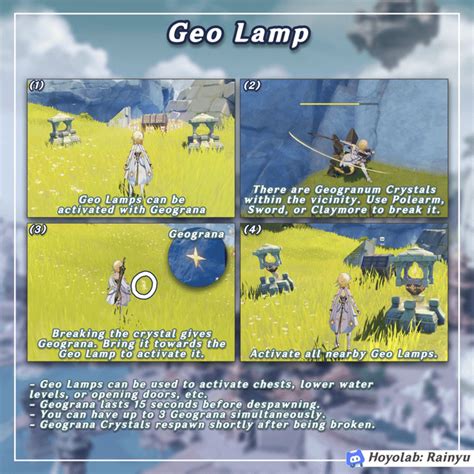
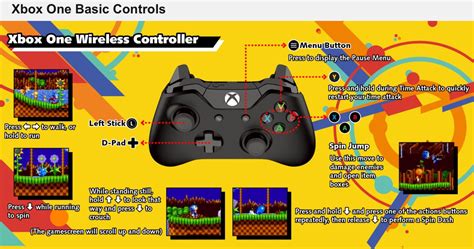
A picture is worth a thousand words, especially in gaming. Include screenshots, simple diagrams, or short GIF-like examples to illustrate points. Show players what buttons to press, what items look like, or where to go. Provide concrete examples for every abstract concept. For instance, instead of saying “use your special ability,” say “Press ‘Q’ to activate ‘Flame Burst’ and deal damage to nearby enemies.”
Focus on ‘Why’ as Much as ‘How’
Players learn better when they understand the purpose behind an action. Explaining why a certain mechanic is important or how it contributes to their success motivates them to learn it. For example, instead of just saying “collect resources,” explain “collecting resources allows you to craft stronger weapons, which helps defeat tougher enemies.”
Structuring Your Guide for Optimal Readability and Navigation
Implement a Clear Table of Contents
For any guide beyond the most basic, a table of contents (TOC) is indispensable. It allows players to quickly find specific information they need without sifting through pages of irrelevant text. Ensure the TOC links directly to the relevant sections.
Utilize Step-by-Step Instructions for Tasks
When guiding players through a specific task or quest, use numbered step-by-step instructions. Each step should be a single, clear action. This reduces cognitive load and provides a sense of accomplishment as each step is completed.
Provide ‘What’s Next?’ and Resources
At the end of a section or the entire beginner guide, offer pointers for what players should explore next. This could be an introductory quest, a recommended progression path, or links to more advanced guides. Also, direct them to official forums, wikis, or community hubs where they can ask questions and find further support.
Conclusion
Crafting a beginner game guide is an art that balances comprehensive information with digestible presentation. By adhering to principles of progressive learning, clarity, and visual support, and by structuring your content for easy navigation, you can transform the daunting initial hours of a new game into an engaging and rewarding experience. A well-structured guide doesn’t just teach; it empowers new players to confidently explore and enjoy everything your game has to offer.