




What’s the best way to explain complex game rules to total beginners effectively?

The Art of Simplifying the Seemingly Complex
Introducing a total beginner to a complex board game, tabletop RPG, or even a nuanced video game can be a daunting task. The sheer volume of rules, mechanics, and terminology can quickly lead to glazed eyes and disengagement. However, with the right approach, you can transform a potential headache into an exciting journey of discovery. The key lies in strategic simplification, empathetic communication, and a focus on the player experience.
Understand Your Audience: They Know Nothing
Your first step is to completely reset your own understanding. Assume your beginner knows absolutely nothing about the game, or even the general genre conventions. Avoid jargon, acronyms, and references to other games they might not know. Your goal is not to impress them with your knowledge, but to empower them with theirs. Patience is paramount; they will have questions, and some concepts may need repeating.

The “Need-to-Know” First Approach
Don’t dump all the rules at once. Start with the absolute core. What’s the objective of the game? How do you win? What are the basic actions a player can take on their turn? Focus on the minimum viable information needed to play the first round. Advanced rules, edge cases, and intricate scoring details can wait until the players have a foundational grasp.
- Start with the Goal: Clearly state the win condition.
- Basic Turn Structure: Explain the flow of a typical turn: “First you do X, then Y, then Z.”
- Core Actions: Detail the 2-3 most frequent actions players will take.
Show, Don’t Just Tell: Demonstrate Every Step
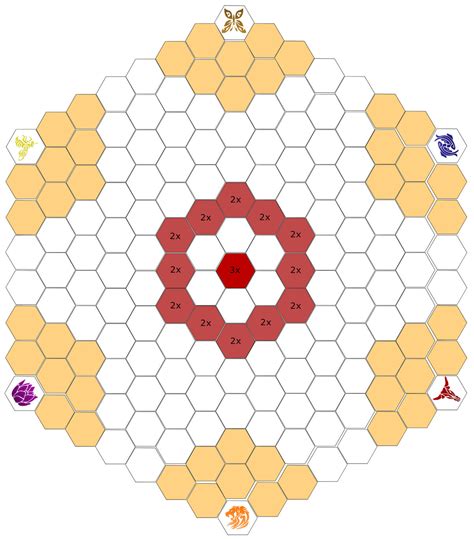
Reading or listening to rules can only get you so far. Visual and tactile demonstration is incredibly powerful for beginners. Set up the game, walk them through the initial steps, and perform mock turns yourself. As you explain a rule, immediately show it in action on the game board or screen.
Consider playing the first 1-2 rounds collaboratively, narrating your thought process and explaining choices as you make them. This allows beginners to see the rules in a practical context without the pressure of making perfect decisions themselves.
Break It Down into Digestible Chunks
Complex games often have distinct phases or systems (e.g., setup, movement, combat, resource management, scoring). Explain these in logical, isolated chunks. Use analogies if they are helpful and easily understood. For instance, explaining a resource as “like money in a bank” can make it more relatable.
Prioritize Flow Over Precision Initially
It’s more important for a beginner to understand the general flow and purpose of the game than to memorize every single minute rule. Let them experience the game, and fill in the precision details as they encounter situations where those rules become relevant.
Encourage Questions and Repetition
Create an environment where questions are not just allowed, but encouraged. Reassure them that there are no “stupid questions.” Be prepared to rephrase explanations and repeat key concepts. Often, a player won’t fully grasp a rule until they’ve heard it a few times and seen it applied. After a few turns, offer a quick recap of the most important rules.
Focus on the Fun, Not Just the Rules
Remember why you’re playing the game: for enjoyment! While explaining, try to convey the excitement and strategic depth without overwhelming. Frame challenges as opportunities and successes as rewarding. Don’t immediately delve into every obscure rule interaction or potential “gotcha.” Let them enjoy the core experience first.
![🔥 [47+] Soccer Players Wallpapers | WallpaperSafari](/images/aHR0cHM6Ly90czMubW0uYmluZy5uZXQvdGg/aWQ9T0lQLjZmOTkwcWNwVlZ2RVVmRlZvc1F2VndIYUptJnBpZD0xNS4x.webp)
The First Game is a Learning Game
Manage expectations, both yours and theirs. The first game (or even the first few turns) will be slow, and mistakes will happen. That’s perfectly fine! Treat the initial playthrough less as a competitive match and more as an interactive tutorial. Be ready to offer guidance, correct errors gently, and remind players of their options. Your goal is for them to finish the game feeling like they’ve learned something and had fun, not frustrated or defeated.

Conclusion
Effectively explaining complex game rules to total beginners is a skill that blends teaching, empathy, and a little bit of performance. By focusing on core concepts first, demonstrating clearly, breaking down information, encouraging questions, and prioritizing the overall experience, you can transform hesitant novices into enthusiastic players ready to dive into the strategic depths. Remember, the best teacher isn’t just someone who knows the rules, but someone who can make learning them an enjoyable part of the game itself.