



How to choose cozy family games for mixed ages without conflict?
Making Family Game Night a Cozy, Conflict-Free Zone
Gathering the family for a game night is a cherished tradition, but finding games that delight toddlers, teens, and grandparents alike—without sparking sibling squabbles or adult boredom—can feel like a quest for the Holy Grail. The secret lies not just in the game itself, but in the thoughtful approach to selection and play. This guide will help you navigate the myriad of options to create truly cozy, conflict-free family game experiences for everyone.
Understanding the Mixed-Age Dynamic
The core challenge with mixed-age groups is balancing varying cognitive abilities, attention spans, and interests. Younger children might struggle with complex rules or long playtimes, while older participants might find overly simplistic games unengaging. The goal is to bridge this gap, ensuring everyone feels included and stimulated.

Key Principles for Game Selection
Prioritize Cooperative Play
Cooperative games are a game-changer for mixed-age groups. Instead of competing against each other, players work together towards a common goal. This inherently reduces conflict, fosters teamwork, and allows older players to mentor younger ones without feeling like they’re ‘letting them win.’ Games like Pandemic, Forbidden Island, Castle Panic, or even simpler ones like Hoot Owl Hoot! are excellent examples.
Look for Simple Rules, Deep Engagement
The best games for mixed ages often have rules that are easy to grasp but offer enough strategic depth or variability to keep everyone interested. Think about games where luck plays a role (balancing the playing field) or where choices are meaningful without being overwhelming. Classic card games (modified), Ticket to Ride, Sushi Go!, or Carcassonne fit this description perfectly.

Adaptability and House Rules Are Your Friends
Don’t be afraid to tweak the rules! For younger players, simplify scoring, reduce the number of turns, or give them an ‘advantage.’ For example, in Monopoly, only play for a set time or a certain number of properties. The objective is fun and inclusion, not strict adherence to the rulebook. Discuss and agree upon house rules before starting to avoid mid-game disputes.
Consider Playtime and Attention Spans
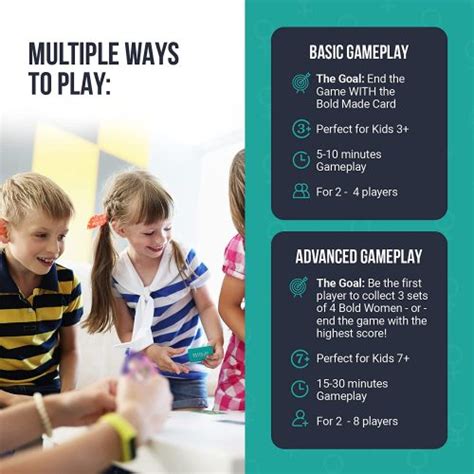
A game that lasts two hours might be perfect for adults and teens but hell for a five-year-old. Choose games with flexible playtimes or natural breaking points. Party games that allow players to drop in and out, or games with rounds that can be stopped at any time, are ideal for varying attention spans.
Embrace Creative and Storytelling Elements
Games that involve creativity, imagination, or storytelling can be incredibly inclusive. They often have fewer strict rules and rely more on shared experience and laughter. Dixit, Story Cubes, or even improvisational games can bring out everyone’s inner storyteller, regardless of age.
Top Game Categories for Mixed-Age Fun
Cooperative Adventures
As mentioned, these are gold. Beyond the examples, explore options like Hanabi (card game where players help each other complete fireworks displays) or Flash Point: Fire Rescue (players cooperate to save people from a burning building).
Dexterity and Physical Games
Games that involve skill and hand-eye coordination can often transcend age barriers. Jenga, Rhino Hero, or even simple stacking games can be great equalizers, relying on physical ability more than complex strategy.
Light Strategy and Gateway Games
These are games often recommended for introducing new players to modern board games. They have simple mechanics but offer engaging choices. Ticket to Ride, Catan: Family Edition, Kingdomino, and Azul are great starting points.
Party Games (with modifications)
Many party games, like Charades, Pictionary, or even Apples to Apples, can be adapted for mixed ages. Form teams with a mix of ages, or simplify categories for younger players. The emphasis is on laughter and shared moments.

Creating a Conflict-Free Game Night Atmosphere
Beyond choosing the right game, the environment and mindset are crucial.
Set Expectations Early
Before starting, briefly explain the game and reiterate that the goal is to have fun together. Remind everyone that winning isn’t everything and that supporting each other makes the experience better.
Rotate Roles and Teams
If you’re playing a team game, rotate who plays with whom. For competitive games, consider rotating partners or even switching games if one isn’t working for someone.
Emphasize ‘Help, Not Takeover’
Encourage older players to offer guidance and suggestions to younger players rather than making decisions for them. This empowers the child and helps them learn.
Keep Snacks and Drinks Handy
A comfortable, well-fed group is a happy group. Cozy snacks and beverages add to the relaxed atmosphere.

Conclusion
Choosing cozy family games for mixed ages without conflict is an art, not a science. By focusing on cooperative play, adaptable rules, engaging themes, and a supportive atmosphere, you can transform potential headaches into heartwarming memories. Embrace flexibility, prioritize fun over winning, and watch as your family bond strengthens with every roll of the dice and turn of a card. Happy gaming!