




How can beginner guides simplify complex game mechanics without overwhelming new players?

The Art of Unpacking Complexity for Gaming Newcomers
Many modern video games boast intricate systems, deep lore, and complex mechanics that can be incredibly rewarding for seasoned players. However, for a newcomer, this very depth can be a formidable barrier, leading to frustration and disengagement. The challenge for beginner guides is to distill this complexity into digestible, actionable information without drowning players in a sea of jargon and details.
Breaking Down the Beast: Segmenting Information
One of the most effective strategies is to avoid presenting all information at once. Instead, guides should segment complex mechanics into smaller, related concepts. For instance, a combat system might be broken down into ‘basic attacks,’ ‘special abilities,’ ‘resource management,’ and ‘defensive maneuvers.’ Each segment can then be explained individually before showing how they interlink.

This modular approach allows new players to master one concept before moving on to the next, building a foundational understanding step-by-step. It’s like learning an alphabet before attempting to read a novel.
Visual Aids and Practical Examples
Text-heavy explanations can often fall flat. Beginner guides thrive when they incorporate strong visual aids. Screenshots highlighting specific UI elements, short video clips demonstrating actions, or clear diagrams illustrating relationships between mechanics are invaluable. Practical examples that show the mechanic in action within the game context help players connect theoretical knowledge with in-game application.
For example, instead of just describing ‘aggro management’ in an RPG, a guide could show a screenshot of a tank pulling enemies while a damage dealer avoids attacking too early, explaining the visual cues and the consequences of mismanaging aggro.
Gradual Introduction and Progressive Disclosure
Overwhelming new players often happens when guides try to front-load all the information. A better approach is gradual introduction, also known as progressive disclosure. This means starting with the absolute essentials needed to play the game immediately and then revealing more advanced mechanics as the player progresses or reaches certain milestones.

Many in-game tutorials adopt this, but external guides can also mimic it by structuring their content with ‘Beginner,’ ‘Intermediate,’ and ‘Advanced’ sections, explicitly guiding players on when to tackle more complex topics.
Focus on Core Concepts and Prioritize Information
Not all mechanics are equally important when starting. Guides should identify and prioritize the core concepts that are absolutely critical for early success and enjoyment. Peripheral or highly situational mechanics can be mentioned briefly or deferred entirely to more advanced sections.
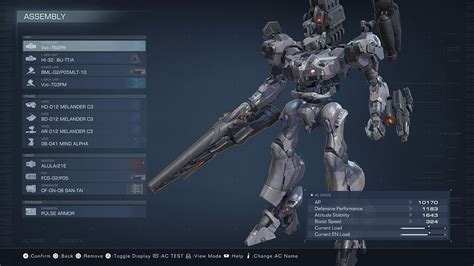
A new player needs to know how to move, attack, and use basic skills, not necessarily the optimal build for endgame content or every hidden secret within the first hour of play.
Contextual Explanation and The ‘Why’
Explaining ‘what’ a mechanic does is good, but explaining ‘why’ it matters is crucial for deep understanding. When players understand the purpose and impact of a mechanic within the game’s ecosystem, they are far more likely to retain the information and apply it effectively.

Instead of just saying, “Mana is used for spells,” explain, “Mana is your magical energy; managing it wisely is key because running out can leave you defenseless or unable to heal.” This contextualization provides motivation and a framework for understanding.
Speak Their Language: Avoid Jargon or Explain It
Game communities often develop their own shorthand and jargon. While efficient for veterans, this language can be alienating for newcomers. Beginner guides must either avoid jargon entirely or, more practically, introduce and clearly explain each term as it appears. A quick glossary of common terms can also be a valuable resource.
Encourage Experimentation and Practice
Ultimately, learning game mechanics is an active process. Guides should encourage players to experiment, practice, and learn by doing. This might involve suggesting specific scenarios for practice, pointing out safe environments for testing new skills, or simply empowering players to not be afraid of making mistakes.

A good guide isn’t just a manual; it’s a coach that equips players with the tools and confidence to explore the game for themselves.
Conclusion
Simplifying complex game mechanics for new players is a delicate balancing act. By breaking down information, utilizing visual aids, introducing concepts gradually, prioritizing core knowledge, providing context, and speaking clearly, beginner guides can transform a potentially overwhelming experience into an engaging and educational journey, paving the way for new players to become deeply invested in their chosen game world.