




What F2P gacha mechanics signal predatory spending traps?
The Allure of “Free” and the Gacha Gamble
Free-to-play (F2P) games, especially those incorporating gacha mechanics, have revolutionized the gaming landscape. They offer an accessible entry point, allowing anyone to download and experience a game without an upfront cost. However, beneath this veneer of generosity lies a complex monetization model, where certain design choices can subtly — or overtly — push players towards excessive spending. Recognizing these mechanics is crucial for protecting your wallet and fostering healthier gaming habits.
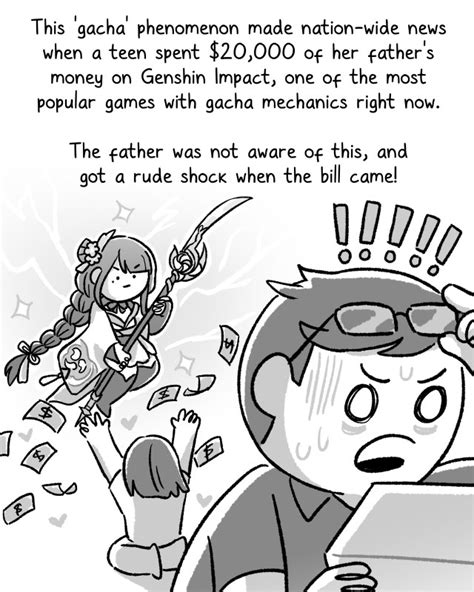
Gacha systems, inspired by Japanese capsule toy machines, involve players spending premium in-game currency (often purchased with real money) for a chance to receive randomized virtual items, characters, or upgrades. While not inherently predatory, their implementation often includes features that exploit psychological vulnerabilities, transforming a casual hobby into a high-stakes gamble.

Low Probability & Unforgiving Pity Systems
One of the most defining characteristics of gacha is the low probability of obtaining the most desirable items. Ultra-rare characters or weapons often boast drop rates of less than 1%, sometimes even 0.1%. This extreme scarcity forces players to perform numerous “pulls” in hopes of hitting the jackpot. Compounding this, many games employ multiple layers of randomness; for instance, you might pull a rare character, but then need to pull specific rare weapons or duplicates of that character (called “constellations” or “ascensions”) to unlock their full potential, effectively multiplying the required investment.
While most modern gacha games include a “pity system” – a mechanic that guarantees a rare item after a certain number of failed pulls – these systems are often designed with caveats. Some reset if you pull any rare item, even if it’s not the one you wanted. Others feature a “soft pity” which increases rates slightly before a “hard pity” guarantee, creating a false sense of control. Crucially, pity often doesn’t carry over between different banners, meaning all progress is lost once a limited-time character disappears.
FOMO and Artificial Scarcity
Fear Of Missing Out (FOMO) is a potent psychological tool heavily leveraged by gacha games. Limited-time banners, featuring incredibly powerful or fan-favorite characters available only for a brief period, create immense pressure to spend now or miss out forever. This urgency can override rational decision-making, compelling players to open their wallets when they might otherwise hesitate.
Beyond limited characters, games often employ artificial scarcity for crucial resources. Energy systems (or “stamina”) limit playtime unless refilled with premium currency. Time-gated progression, where waiting days or weeks is the only F2P option to upgrade, encourages spending to speed things up. Power creep – the constant release of new, stronger units that make older ones less viable – further exacerbates FOMO, making players feel they must continuously spend to stay competitive or keep their roster relevant.

Manipulative UI/UX and Pseudo-Sales
The user interface and experience in F2P games can be subtly engineered to encourage spending. Confusing currency conversions, where multiple layers of premium currencies obscure the real-world cost, make it harder for players to track their expenditure. “Special offers” or “limited-time sales” that are perpetually available, or offer negligible discounts, create an illusion of value without genuine savings.
Pop-up advertisements for spending packs often appear at crucial moments, such as after a failed gacha pull or when a player is close to leveling up but lacks a specific resource. These contextual prompts prey on frustration or the desire for immediate gratification, pushing players towards impulse purchases. Some games even use “anchoring bias” by listing an absurdly expensive pack alongside a slightly less absurd, but still overpriced, pack to make the latter seem more reasonable.

Sunk Cost Fallacy and Whale Traps
The “sunk cost fallacy” is a cornerstone of predatory gacha design. The more time, effort, and money a player invests into a game, the harder it becomes to walk away. This feeling is amplified in gacha games, where a player might have spent hundreds or thousands of dollars chasing a specific character or upgrading their account. The thought of losing that investment can lead to further spending, creating a vicious cycle.
“Whale traps” specifically target high-spending players, known as “whales.” These include incredibly expensive bundles, systems that require many duplicates of a rare character to reach maximum power, or unique cosmetic items only available to top spenders. Leaderboards or competitive modes that heavily favor those who spend the most can also act as powerful motivators for whales to continue their investment, cementing their status at the top.

Protecting Yourself: Recognizing the Red Flags
Understanding these predatory mechanics is the first step towards protecting yourself. Always question “limited-time” offers and assess if the purchase genuinely enhances your enjoyment or if it’s driven by FOMO. Set strict spending limits for yourself and stick to them. Be wary of games that consistently make you feel compelled to spend to progress or simply to enjoy the core gameplay. Focus on the intrinsic fun of the game rather than chasing the next shiny, rare item.
Conclusion: A Call for Transparency and Responsibility
While F2P gacha games can be a source of entertainment, the line between fair monetization and predatory practices is often blurred. As players, being informed and advocating for greater transparency can push developers towards more ethical design. Regulators around the world are also beginning to scrutinize these mechanics, recognizing the potential harm they can cause, especially to vulnerable individuals. By being aware and making conscious choices, players can reclaim control and enjoy gaming without falling into spending traps.