



When is spending on F2P gacha value, and when is it just whale bait?
Understanding Gacha Spending: Value vs. Exploitation
Free-to-play (F2P) gacha games have become a dominant force in the mobile gaming market, luring players with the promise of free entry while subtly encouraging spending through randomized mechanics. But for those who choose to open their wallets, discerning genuine value from manipulative “whale bait” is crucial. This article delves into the nuances of gacha spending, helping players make informed decisions.

What Defines Value in Gacha Spending?
True value in a gacha game often comes from predictable, guaranteed outcomes that significantly enhance your enjoyment or progression without requiring excessive investment. Here are key indicators:
- Battle Passes & Monthly Cards: These subscriptions offer consistent, tiered rewards over time for a relatively low, fixed cost. They provide a steady stream of resources, characters, or premium currency, making daily play more rewarding and progression smoother. They’re often considered the best value for casual to moderate spenders.
- Guaranteed Starter Packs: Many games offer one-time purchase bundles early on that guarantee a powerful character or a significant amount of resources for a fixed, often discounted price. These can provide a strong foundation for new players.
- Direct Character/Item Selectors: If a pack allows you to choose a specific, desired character or item directly rather than relying on RNG, it offers undeniable value, assuming the price is reasonable for the utility gained.
- Cosmetic Purchases (Player Preference): For some players, aesthetic customization like character skins or unique weapon appearances holds significant value. While they offer no power advantage, if they enhance your personal enjoyment of the game, they can be a worthwhile purchase, provided they aren’t tied to predatory gacha mechanics themselves.

Identifying “Whale Bait”: Signs of Exploitative Spending
On the flip side, “whale bait” refers to spending options designed to extract maximum money from a small percentage of highly engaged players, often leveraging psychological triggers like fear of missing out (FOMO), sunk cost fallacy, and addiction. Recognizing these tactics is vital:
- Extremely Low Drop Rates for Top-Tier Items: When the chance of acquiring the most powerful characters or items is a fraction of a percent, and each pull is expensive, you’re likely entering whale territory. The cost to guarantee such an item through sheer volume of pulls can be astronomical.
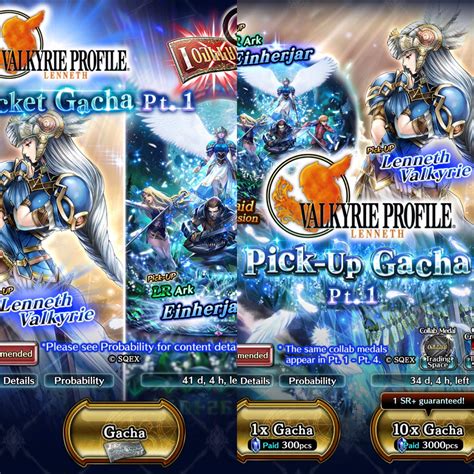
- Expensive, Time-Limited Banners with Power Creep: Gacha games frequently introduce new characters or weapons that are incrementally more powerful than previous ones. When these are available for a very short window, it pressures players to spend heavily before they become “irrelevant” or unavailable, creating an endless cycle of chasing the meta.
- Resetting Pity Systems: A “pity” timer guarantees an item after a certain number of pulls. However, some games reset this timer when you pull any high-rarity item, even if it wasn’t the one you wanted. Others reset it every time a banner changes, forcing continuous high spending to reach a guaranteed outcome.
- Bundles with Misleading Value: While a bundle might claim a “900% value,” this figure is often based on an inflated comparison to buying individual, small packs of premium currency. Always compare the bundle’s contents to what you actually need and how much it would cost to get those items through more efficient means (like a battle pass, if applicable).
- Pay-to-Win Gaps: If the gap between free players and paying players becomes insurmountable, or if competitive modes are heavily dominated by those who spend thousands, the game is designed to push players into heavy spending just to keep up.

The Player’s Perspective: Defining Your Own Value
Ultimately, what constitutes “value” is subjective and depends on your personal circumstances and what you seek from the game. Consider these questions before spending:
- Entertainment vs. Competition: Are you spending for pure entertainment and enjoyment, or are you trying to gain a competitive edge? If it’s the latter, understand the ceiling of your budget versus the game’s pay-to-win potential.
- Budget & Discipline: Set a strict budget and stick to it. Never spend more than you can comfortably afford to lose, as there’s no guarantee of return. Recognize the psychological tricks games employ and practice self-control.
- Long-term vs. Short-term Gain: Will this purchase provide lasting enjoyment or a fleeting power boost? Battle passes and monthly subscriptions generally offer better long-term value than chasing a single, low-probability unit on a limited banner.

Making Informed Spending Decisions
Navigating the complex world of F2P gacha spending requires awareness and discipline. By understanding the difference between genuine value and manipulative tactics, players can protect their wallets and enhance their gaming experience. Prioritize guaranteed rewards, fixed-cost subscriptions, and purchases that align with your personal enjoyment and budget. Remember, a truly free-to-play game should offer a complete and enjoyable experience even without spending; any purchases should feel like a bonus, not a necessity.