



What’s key for a beginner guide helping new gamers pick their first game and grasp basics fast?

Navigating the First Steps into Gaming
For someone new to the vast world of video games, the sheer volume of choices can be incredibly daunting. A truly effective beginner guide doesn’t just list games; it acts as a friendly, knowledgeable companion, steering newcomers towards a positive first experience. The goal is to make the entry point feel exciting and accessible, not overwhelming or frustrating.
Curating the Perfect First Game Selection
The cornerstone of any great beginner guide is its game recommendations. These shouldn’t be the most popular or graphically intense titles, but rather games specifically chosen for their low barrier to entry and intuitive mechanics. Think about:
- Genre Accessibility: Start with genres like casual puzzle games, narrative-driven adventures, or simple platformers. Avoid complex RPGs, fast-paced competitive shooters, or intricate strategy games for a first timer.
- Intuitive Controls: Games with straightforward control schemes that don’t require memorizing dozens of buttons are ideal. Games that slowly introduce mechanics are also a plus.
- Forgiveness and Pacing: Recommend games that are forgiving, allowing mistakes without severe penalties, and that have a gentle learning curve.
- Availability and Cost: Suggest free-to-play options or games available on common platforms (PC, mobile, popular consoles) to minimize initial investment hurdles.

Demystifying Core Mechanics and Terminology
Beyond picking a game, new players need to understand how games work. A guide must break down fundamental concepts clearly and concisely:
Universal Concepts:
- Movement: Explain WASD (PC) or analog stick (console) movement.
- Interaction: What does it mean to ‘interact’ with an object or character?
- Objectives: How to understand what the game wants you to do (e.g., collect items, defeat enemies, solve puzzles).
- User Interface (UI): Briefly explain common UI elements like health bars, mini-maps, or inventory screens.
Simplified Language: Avoid jargon. If terms like ‘NPC,’ ‘buff,’ ‘debuff,’ or ‘skill tree’ are necessary, explain them in plain English. For example, instead of just saying ‘level up,’ describe how gaining experience makes your character stronger or unlocks new abilities.
Strategies for Rapid Learning and Confidence Building
A great guide empowers new players to learn quickly and feel confident. This involves more than just explanations:
- Step-by-Step Tutorials: Rather than assuming knowledge, provide concrete steps for common actions (e.g., “To jump, press the spacebar.”).
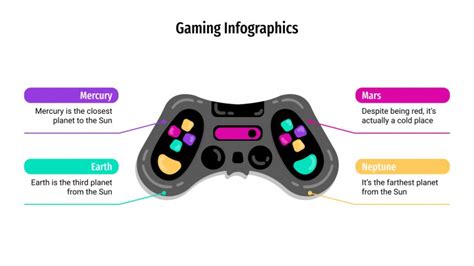
- Visual Aids: Screenshots, simple diagrams of controllers, or even short video snippets (if linking out is an option) can be incredibly helpful for visual learners.
- Focus on Practice: Encourage playing through tutorial sections and emphasize that practice makes perfect. Highlight games with dedicated practice modes.

The Essential Checklist for a Beginner Guide
To summarize, a truly impactful beginner’s guide should possess these key attributes:
- Approachability: Use welcoming, encouraging language.
- Curated Choices: Offer a small, diverse, and genuinely accessible list of first-game recommendations.
- Clarity on Basics: Break down movement, interaction, and common UI elements.
- Jargon-Free: Explain any necessary gaming terms simply.
- Visual Support: Incorporate screenshots or diagrams where beneficial.
- Troubleshooting: Briefly touch on common issues like controls feeling ‘off’ or graphics settings.
- Next Steps: Suggest where to go after their first game, perhaps introducing slightly more complex genres or hinting at online communities.
Conclusion: Opening the Gateway to Gaming
By focusing on careful curation, clear communication of fundamentals, and fostering confidence, a beginner guide can transform the daunting prospect of gaming into an exciting new hobby. It’s about building a bridge for new players, ensuring their first steps are steady and enjoyable, paving the way for countless adventures to come.