




How to structure game how-tos to simplify complex mechanics for new players?
The Challenge of Complex Game Mechanics
New players often face an intimidating wall when diving into games with intricate systems, deep lore, and a myriad of controls. A poorly structured ‘how-to’ guide can exacerbate this, leading to frustration and early player abandonment. The key to successful player onboarding lies in simplifying complex mechanics without patronizing or overwhelming them. This article outlines effective strategies for structuring game how-to guides to make learning an enjoyable part of the gameplay experience.
1. Know Your Audience: The True Beginner Mindset
Before writing a single word, understand that your new player likely knows nothing about your game or even its genre conventions. Avoid jargon, acronyms, or assuming prior knowledge. Start from absolute zero. What’s the very first thing they need to know to move, interact, or understand their objective? Break down every concept, no matter how small, into its most basic components.
Prioritize Core Concepts First
Don’t dump every mechanic at once. Identify the essential core loop (e.g., move, attack, collect) and teach that thoroughly before moving on to secondary systems like crafting, advanced combat, or intricate skill trees. This layered approach builds confidence and a foundation upon which more complex knowledge can be built.
2. Embrace Progressive Learning and Layered Information
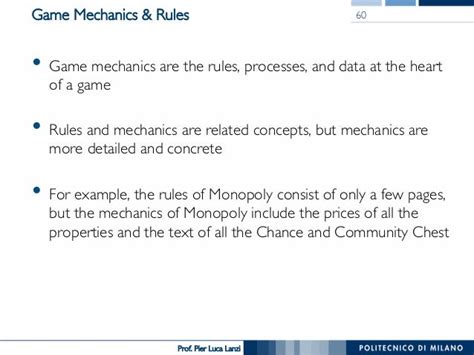
Think of your how-to as a series of quests, each unlocking a new skill or understanding. Introduce mechanics incrementally, building upon previously learned concepts. This mirrors good game design, where new abilities are often unlocked over time.
From Basic Controls to Advanced Strategies
Start with movement and basic interaction. Then introduce simple combat or resource gathering. Only once these are mastered should you delve into more nuanced topics like status effects, advanced character builds, or strategic positioning. Each section should feel like a natural progression, not a jarring jump in difficulty.
3. Visuals and Examples Are Non-Negotiable
Text alone is rarely sufficient for explaining game mechanics. Players are visual learners, especially in a visual medium like gaming. Integrate screenshots, diagrams, and even short animated GIFs (conceptually, not literally in the HTML) to illustrate points. Show, don’t just tell.
Concrete Scenarios and “Why” Behind the “How”
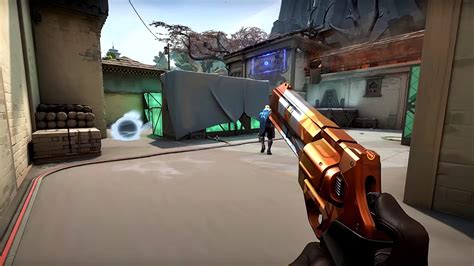
Instead of just saying “Press ‘R’ to reload,” show a screenshot of the reload animation, a tooltip explaining ammunition, and explain *why* reloading is important (e.g., to continue fighting effectively). Use specific in-game examples to make abstract concepts tangible. For instance, if explaining a debuff, show a character affected by it and its specific visual indicator.
4. Structure for Maximum Clarity and Digestibility
The layout and organization of your how-to guide are crucial for readability and comprehension. A cluttered or disorganized guide is as bad as an incomplete one.

Utilize Headings, Subheadings, and Bullet Points
- Clear Headings: Use descriptive
<h2>and<h3>tags to break the guide into manageable sections. - Short Paragraphs: Avoid large blocks of text. Keep paragraphs concise, focusing on one idea at a time.
- Bullet Points & Numbered Lists: Ideal for step-by-step instructions, feature lists, or key takeaways.
- Consistent Terminology: Always use the exact in-game names for items, abilities, and locations.
- Bold Key Terms: Draw attention to important keywords or actions.
5. Encourage Practice and Offer Troubleshooting
Learning truly sticks when players can immediately apply what they’ve learned. Suggest practical exercises within the game. “Now try moving to the objective using your sprint ability.” or “Practice blocking in the training arena.”
Anticipate Common Pitfalls
If there’s a mechanic new players often misunderstand or struggle with, address it directly. “Common mistake: Don’t forget to guard during this enemy’s special attack, otherwise…” Providing a ‘What if?’ section or FAQs can also be incredibly helpful.
Conclusion
Structuring effective game how-tos isn’t just about listing features; it’s about crafting a learning journey. By understanding your audience, adopting a progressive learning model, leveraging strong visuals, maintaining clear structure, and encouraging practice, you can transform complex mechanics into accessible, enjoyable lessons. This not only empowers new players but also enhances their overall game experience, fostering loyalty and engagement from the very first interaction.