
How to find great mobile games that aren’t pay-to-win (P2W) traps?
Decoding the P2W Problem in Mobile Gaming
Mobile gaming has exploded in popularity, offering countless hours of entertainment right in your pocket. However, this convenience often comes with a hidden cost: the prevalence of ‘pay-to-win’ (P2W) mechanics. These systems are designed to entice or force players into spending real money to gain a significant advantage or progress meaningfully, often at the expense of fair competition and genuine skill. The good news is that not all mobile games are P2W traps. With a little knowledge and strategic searching, you can discover a wealth of engaging, skill-based titles.

Identifying the Red Flags of P2W
Before diving into a new game, it’s crucial to recognize the common indicators of a P2W system. Being aware of these signs can save you time, frustration, and money:
- Energy Systems: Games that limit your playtime with an ‘energy’ or ‘stamina’ bar that slowly refills, but can be instantly refilled with purchases.
- Aggressive Pop-ups and ‘Deals’: Constant notifications pushing you to buy bundles, special offers, or limited-time upgrades that seem essential for progress.
- Mandatory Wait Timers: Long waits for construction, crafting, or character upgrades that can be skipped by spending premium currency.
- Power Creep: Continuously introducing new characters, items, or abilities that are significantly stronger than previous ones, pressuring players to acquire the latest, often expensive, content.
- Gated Content: Essential parts of the game (levels, characters, modes) that become incredibly difficult or impossible to access without specific in-app purchases.
- Competitive Disadvantage: In PvP (Player vs. Player) modes, observe if opponents who have clearly spent money are virtually unbeatable, regardless of your skill.

Strategies for Finding Fair Mobile Games
1. Consult Reviews and Ratings
The app store ratings and user reviews are your first line of defense. Pay close attention to written reviews, specifically looking for keywords like ‘P2W,’ ‘greedy,’ ‘money grab,’ or complaints about unfair difficulty spikes. Games with consistently high ratings (4.5 stars and above) and positive comments about fair monetization are generally a good sign.
2. Prioritize Premium Titles
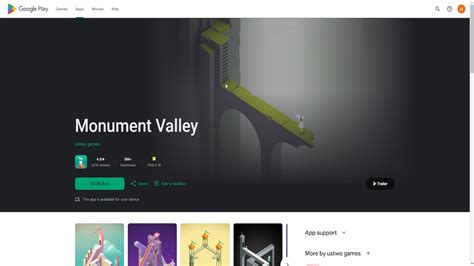
While free-to-play games dominate the mobile market, paid games often offer a more complete and fair experience. When you pay upfront, the developer’s incentive is to provide a full, enjoyable game rather than continually extracting money through in-app purchases. Many classic PC and console games have excellent mobile ports that fall into this category.

3. Explore Specific Genres
Certain game genres are less prone to P2W mechanics:
- Puzzle Games: Many offer a full experience with optional cosmetic purchases or ad removal.
- Offline Single-Player RPGs: Often designed for a complete story experience without online competitive pressure.
- Strategy (non-real-time PvP): Turn-based strategy games can be less P2W if unit acquisition is fair.
- Indie Games: Smaller developers often prioritize unique gameplay and player satisfaction over aggressive monetization.
- Board Game Adaptations: Digital versions of popular board games typically offer the full experience for a single purchase.
4. Utilize Subscription Services
Services like Apple Arcade and Google Play Pass offer access to a curated library of premium, ad-free, and P2W-free games for a monthly fee. These platforms rigorously vet titles, ensuring a high-quality, player-friendly experience without hidden costs.

5. Research Developers and Publishers
Some developers have a reputation for ethical monetization, while others are notorious for aggressive P2W tactics. A quick search of a developer’s past games can give you insight into their business model. Look for companies that have built a loyal fanbase through fair play.
Test Drive Before You Commit
Even with all these precautions, the best way to know if a game is P2W is to play it yourself. Spend a few hours with a new title. Observe how quickly progress slows down, how often you’re prompted to buy something, and if you hit a wall that seems designed to force spending. If the fun evaporates without opening your wallet, it’s likely a P2W trap.

Embrace Fair Play
Finding genuinely great mobile games that respect your time and money is entirely possible. By understanding the signs of P2W, leveraging community feedback, exploring alternative monetization models, and being critical in your choices, you can curate a fantastic library of mobile games that prioritize fun and skill over predatory spending. Happy gaming!