




Game ratings: How to pick age-appropriate games?

In today’s digital age, video games are a ubiquitous part of many children’s lives. While they offer entertainment, educational opportunities, and social interaction, the sheer volume and variety of games can be overwhelming for parents. How do you ensure your child is playing something suitable for their age and maturity level? The answer lies in understanding and utilizing game rating systems.
Decoding Game Rating Systems
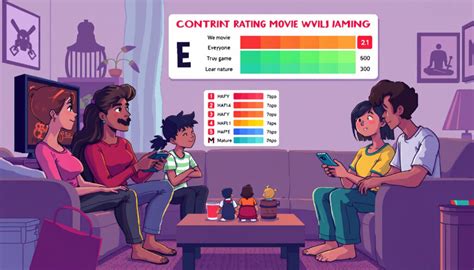
Game rating systems are designed to provide parents with essential information about a game’s content, allowing them to make informed decisions. The most prominent systems globally include the Entertainment Software Rating Board (ESRB) in North America and the Pan European Game Information (PEGI) across Europe.

ESRB (North America)
- E (Everyone): Content is generally suitable for all ages. May contain minimal cartoon, fantasy or mild violence and/or infrequent use of mild language.
- E10+ (Everyone 10+): Content is generally suitable for ages 10 and up. May contain more cartoon, fantasy or mild violence, mild language, and/or minimal suggestive themes.
- T (Teen): Content is generally suitable for ages 13 and up. May contain violence, suggestive themes, crude humor, minimal blood, simulated gambling, and/or infrequent use of strong language.
- M (Mature): Content is generally suitable for ages 17 and up. May contain intense violence, blood and gore, sexual content, and/or strong language.
- AO (Adults Only): Content should only be played by adults 18 and over. May include prolonged scenes of intense violence, graphic sexual content, and/or gambling with real currency.
PEGI (Europe)
- PEGI 3: Game content is considered suitable for all age groups.
- PEGI 7: Game content that would otherwise be classified as PEGI 3 but contains some scenes or sounds that might be frightening to younger children.
- PEGI 12: Games that show violence of a slightly more graphic nature towards fantasy characters or non-realistic violence towards human-like characters. Sexual innuendo or bad language might be present.
- PEGI 16: Games where the depiction of violence (or sexual activity) reaches a stage that it would be similar to what is expected in real life. More extreme bad language, drug use, and the promotion of gambling may be present.
- PEGI 18: Adult classification. The game content is considered suitable only for adults. This is often due to the level of violence, the presence of graphic sexual activity, or drug glamorization.
Beyond the Age Label: Content Descriptors
While the age rating provides a quick guide, the real depth of information lies in the content descriptors. These are icons or short phrases that explain why a game received its particular rating. For example, an ESRB ‘T’ rating might come with descriptors like “Fantasy Violence, Mild Language,” while a PEGI 16 game might have “Violence, Drugs, Bad Language.”

Always look at these descriptors as they offer crucial insights into specific elements that might concern you, such as:
- Violence (realistic, fantasy, blood, gore)
- Language (mild, strong, sexual references)
- Sexual Themes (suggestive, graphic)
- Drug and Alcohol References
- Gambling (simulated, real)
- Fear (intense, mild)
- Online Interactivity (user-generated content, in-game purchases)
Factors to Consider Beyond the Rating
Ratings are a guide, not a strict rulebook. Every child is different, and what’s appropriate for one 10-year-old might not be for another. Consider these factors:
Your Child’s Maturity and Sensitivity
Some children are more sensitive to certain themes than others. A child who easily gets scared might struggle with a PEGI 7 game, even if it’s rated for younger ages. Assess your child’s individual temperament and emotional resilience.
Child’s Interests and Preferences
What kind of stories or activities does your child enjoy? Matching games to their interests can lead to a more engaging and positive experience, but always cross-reference with ratings.

Parental Involvement
Playing games together, discussing game content, and monitoring playtime are crucial. If you play alongside your child, you can better understand the game’s context and address any questions or concerns in real-time.
Online Interactions and In-Game Purchases
Many modern games feature online multiplayer modes or in-game purchases. Be aware of potential interactions with strangers and the possibility of accidental spending. Utilize parental controls on consoles and devices to manage these aspects.
Practical Tips for Parents
1. Do Your Research
Don’t just rely on the box. Read game reviews from reputable sources, watch gameplay videos on platforms like YouTube, and talk to other parents who might have experience with the game.

2. Utilize Parental Controls
Most gaming consoles, PCs, and mobile devices offer robust parental control settings. These allow you to restrict games by rating, limit screen time, manage online communication, and control spending. Learn how to set them up effectively.
3. Open Communication
Talk to your children about the games they want to play. Ask them what they enjoy about specific games and discuss why certain content might be inappropriate. Foster an environment where they feel comfortable coming to you with questions or concerns.
4. Play Together
Join in! Not only is it a great way to bond, but it also gives you firsthand experience of the game’s content, challenges, and overall atmosphere. It helps you assess if it’s truly age-appropriate.

Conclusion
Choosing age-appropriate video games doesn’t have to be a daunting task. By understanding rating systems like ESRB and PEGI, delving into content descriptors, considering your child’s unique maturity, and actively engaging in their gaming habits, you can empower them to enjoy the vast world of video games safely and responsibly. Your informed involvement is the best parental control there is.