

How to identify predatory F2P gacha mechanics before spending?
Navigating the Labyrinth of Free-to-Play Gacha Games
Free-to-play (F2P) gacha games have become a dominant force in the mobile gaming landscape, offering engaging experiences without an upfront cost. However, their monetization strategies, centered around “gacha” mechanics (inspired by Japanese capsule toy machines), can often veer into predatory territory. For new players and seasoned veterans alike, understanding these subtle and not-so-subtle tactics is crucial to enjoying the game without falling into overspending traps. This guide will help you identify the warning signs before your wallet takes an unexpected hit.
Understanding Predatory Gacha Mechanics
At their core, gacha games encourage players to spend real money on in-game currency to “pull” for randomized virtual items, characters, or upgrades. While not inherently bad, the line between fair monetization and exploitation blurs when game design intentionally leverages psychological triggers to maximize spending, often at the player’s expense.
Red Flag 1: Obscured Drop Rates and Manipulative Pity Systems
One of the most common red flags is extremely low drop rates for desirable items, coupled with opaque or overly complex “pity” systems. A pity system guarantees a rare item after a certain number of pulls, but predatory designs might:
- Feature extremely high pity thresholds, requiring hundreds of pulls.
- “Reset” pity counts prematurely for different banners or character types.
- Offer “soft pity” that subtly increases rates, making the true guarantee feel distant.
- Display rates that are technically correct but misleading about the actual probability of getting a specific top-tier item.
If you have to consult external wikis or perform complex calculations to understand your chances, it’s a warning sign.

Red Flag 2: Aggressive Limited-Time Offers and FOMO (Fear Of Missing Out)
Predatory gacha games excel at creating artificial urgency. You’ll frequently encounter “limited-time” banners, characters, or bundles that are only available for a few days or weeks. This preys on FOMO, pushing players to spend now rather than risk missing out on a potentially game-changing unit or a “good deal.”
- Constant pop-ups upon logging in, advertising new limited banners.
- Event-exclusive characters that are significantly stronger than their permanent counterparts.
- Countdown timers everywhere, emphasizing scarcity.

Red Flag 3: Confusing and Multiple Currency Systems
Many gacha games employ a labyrinthine array of currencies: free currency, premium currency, event currency, special shop tokens, and more. This complexity is often intentional. By introducing multiple conversion rates and obscuring the direct real-money value of premium currency, games can make spending feel less impactful or harder to track.
- Premium currency often comes in odd bundles that don’t perfectly align with the cost of pulls, forcing you to buy more than you need.
- Different currencies for different types of pulls or items.
- “Bonus” premium currency that is less valuable or has restrictions.
Red Flag 4: Relentless Power Creep and Mandatory Spending
Power creep occurs when newly released characters or items are consistently stronger than existing ones, rendering older investments less effective or even obsolete. In predatory games, this isn’t just natural progression; it’s a deliberate cycle designed to force players to continually pull for the latest, most powerful units to remain competitive or enjoy content. If you find your previously strong team struggling to clear new content, and the solution is always “pull for the new character,” it’s a sign.
Red Flag 5: Lack of Transparency and Manipulation
Beyond drop rates, predatory games might lack transparency in other areas, such as the true value of bundles, the requirements for progression, or the specifics of future content. They might also employ dark patterns in their UI design, making it easier to accidentally spend or making “no thanks” buttons less prominent than “buy now.”
Before You Spend: Your Personal Checklist
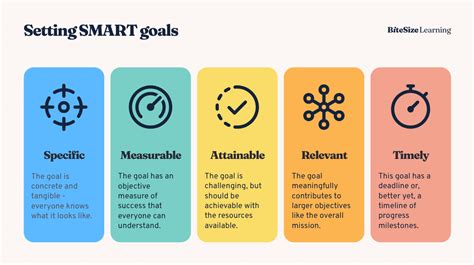
To safeguard your wallet and your enjoyment, consider these steps before making any purchase in a gacha game:
- Research & Reviews: Check community forums, review sites, and YouTube channels. Are players complaining about predatory practices? How is the developer’s reputation?
- Understand the Pity: Fully grasp the pity system for banners you’re interested in. Is it cumulative? Does it reset? What’s the realistic cost to guarantee a desired item?
- Set a Budget: Decide beforehand how much you are willing to spend, if anything, and stick to it. Never chase losses.
- Play for Fun, Not for Investment: Remember that virtual items have no real-world monetary value. Play because you enjoy the game, not because you feel obligated to “keep up.”
- Evaluate Your Needs: Do you genuinely need this new character or item? Can existing units clear the content? Often, smart strategy can overcome a lack of the “meta” unit.

Conclusion: Empowering Your F2P Journey
While the allure of a new powerful character or a rare item can be strong, being an informed player is your best defense against predatory F2P gacha mechanics. By recognizing the red flags and adopting responsible spending habits, you can navigate the exciting world of gacha games without sacrificing your financial well-being. Play smart, stay informed, and enjoy the games for what they should be: a source of entertainment.