


How do you make a beginner game guide actionable without overwhelming new players?

Introducing new players to a complex game can be a daunting task. The goal is to onboard them efficiently, teach them the ropes, and get them excited about the game, all without drowning them in information. A well-designed beginner guide empowers players to take their first steps with confidence, while a poorly designed one can lead to frustration and early abandonment. So, how do you make a beginner game guide truly actionable without overwhelming those who are just starting out?
Understanding the Beginner’s Mindset
New players arrive with a mix of curiosity and apprehension. They want to understand the game, but their capacity for absorbing new information is limited, especially when combined with learning new controls and mechanics. The key is to recognize that they don’t need to know everything immediately. Focus on what is absolutely essential for them to perform basic actions and understand immediate objectives.
Avoid jargon where possible, or explain it clearly. Emphasize why certain actions are important and what immediate outcome they will achieve. This immediate feedback loop helps reinforce learning and builds confidence.

Chunking Information: Less is More
One of the most effective strategies is to break down complex information into small, digestible chunks. Instead of presenting a massive wall of text or a long list of features, divide your guide into short sections, each focusing on a single concept or mechanic. Utilize headings, subheadings, bullet points, and numbered lists to improve readability and retention.
Think of it as a progressive learning path. Each chunk builds upon the previous one, gradually introducing more depth without feeling like an information dump. This approach allows players to master one concept before moving on to the next, reducing cognitive load.
Prioritize Core Mechanics First
Identify the absolute minimum a player needs to know to start playing and engaging with the game’s core loop. This often includes:
- Movement controls (walking, running, jumping)
- Basic interaction (picking up items, opening doors)
- The primary objective or immediate goal
- Essential UI elements (health bar, mini-map)
Advanced mechanics like crafting systems, complex skill trees, or intricate lore details can be introduced later, either through in-game prompts, optional tutorials, or advanced sections of the guide. Deferring secondary information prevents new players from feeling swamped before they even understand the basics.
Actionable Steps and Immediate Practice
A guide isn’t just about explaining; it’s about instructing. Frame your advice as direct calls to action. Instead of saying, “You can move your character with WASD,” say, “Press W to move forward now, then try S to move back.” Immediately follow explanations with opportunities for the player to practice what they’ve just learned.
Interactive tutorials that prompt players to perform actions and provide instant feedback are invaluable. This hands-on experience solidifies understanding far more effectively than passive reading. Practice areas, guided sequences, or even simple quests designed to teach specific mechanics can turn abstract knowledge into practical skills.
Visual Aids and Interactive Elements
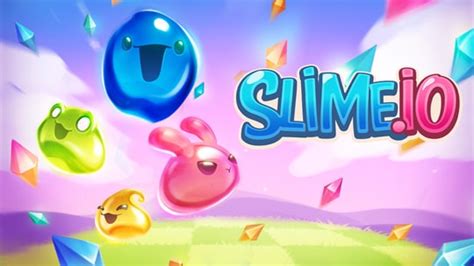
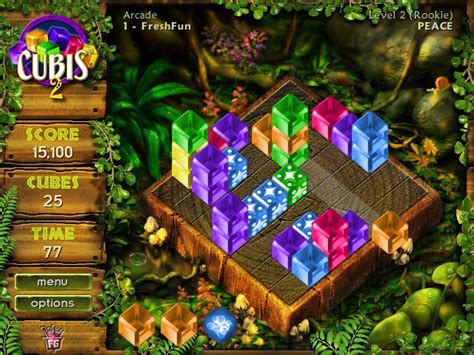
Text alone can be dry and difficult for some learners. Incorporate screenshots, short video clips, GIFs, or animated demonstrations whenever possible. Visuals can convey complex information far more quickly and effectively than words. Show players exactly what buttons to press or what an objective looks like.
In-game tooltips, hover-over explanations, and contextual help systems can also guide players without requiring them to leave the game world. These interactive elements provide assistance precisely when and where it’s needed, making the learning process seamless.

Clear, Concise Language
Simplicity is key. Use straightforward language, short sentences, and avoid overly technical terms unless they are clearly defined. Imagine you are explaining the game to someone who has never played a video game before. An encouraging and supportive tone can also make the learning process less intimidating.
Progressive Disclosure: The Right Information at the Right Time
Don’t dump everything at once. Implement a system of progressive disclosure where information is revealed gradually as the player progresses, unlocks new features, or actively seeks more depth. This could involve:
- Contextual pop-ups that appear when a new item is found or mechanic is introduced.
- Optional “Learn More” buttons that expand on a topic.
- A tutorial system that unlocks new chapters as the player completes previous ones.
This method ensures that players only encounter information relevant to their current situation, preventing overwhelm.
Testing and Feedback
The best way to know if your guide is effective is to test it. Have actual new players go through your guide and observe their experience. Where do they get stuck? What questions do they ask? What do they skip? Gather feedback and iterate on your guide, continuously refining it to be clearer, more actionable, and less overwhelming.
Conclusion: Empowering, Not Overwhelming
Creating an actionable beginner game guide is about empathy and strategic design. By understanding the beginner’s mindset, chunking information, prioritizing core mechanics, emphasizing immediate practice, utilizing visuals, and adopting clear language, you can empower new players. A well-crafted guide doesn’t just teach game mechanics; it builds confidence, fosters excitement, and sets the stage for a positive and long-lasting player experience. Your goal isn’t to tell them everything, but to give them just enough to successfully take their next step.