




How to choose age-appropriate video games that also educate and entertain?
In today’s digital landscape, video games are more than just a pastime; they’re an integral part of many children’s lives. For parents, the challenge lies in sifting through countless titles to find games that not only align with their child’s developmental stage but also offer genuine educational benefits without sacrificing the fun factor. It’s a delicate balance, but an achievable one with the right approach.
Understanding Age Ratings and Content Descriptors
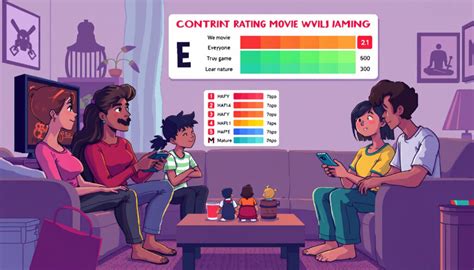
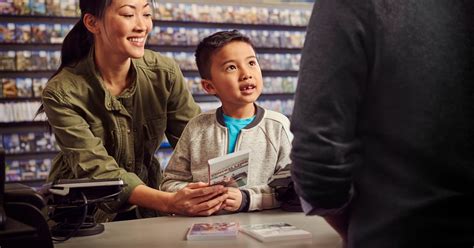
The first and most crucial step is to pay close attention to official age ratings. Organizations like the Entertainment Software Rating Board (ESRB) in North America, PEGI in Europe, and others worldwide provide valuable guidelines. These ratings (e.g., E for Everyone, T for Teen, M for Mature) are determined by the game’s content, including violence, language, suggestive themes, and more.
Beyond the age rating itself, delve into the content descriptors. These small icons or phrases offer specific insights into why a game received its rating. For instance, an ‘E10+’ game might have descriptors like ‘Fantasy Violence’ or ‘Mild Language,’ giving you a clearer picture than the age rating alone. Always check these details before making a purchase or allowing a download.

Unlocking Educational Potential in Games
Many modern video games are cleverly disguised learning tools. They can foster critical thinking, problem-solving, strategic planning, creativity, and even collaboration. Look for games that:
- Promote problem-solving: Puzzles, strategy games, and open-world exploration titles often require players to think critically and devise solutions.
- Encourage creativity: Sandbox games (like Minecraft) or art-focused games allow children to build, design, and express themselves.
- Teach specific subjects: Some games are explicitly designed to teach math, history, coding, or language skills through engaging mechanics.
- Develop social skills: Multiplayer games, when played cooperatively, can teach teamwork, communication, and negotiation.
Don’t be afraid to research reviews or watch gameplay videos to understand the actual educational mechanics at play. Sometimes the learning isn’t obvious on the surface but is deeply embedded in the game’s core loop.

Balancing Education with Entertainment
A game that’s purely educational but not fun will quickly lose a child’s interest. The key is to find games where learning is seamlessly integrated into an enjoyable experience. Children are more likely to absorb information and develop skills when they are genuinely engaged and motivated to play.
Consider your child’s interests. If they love animals, look for games that involve animal care, conservation, or biology. If they’re fascinated by space, explore games that incorporate astronomy or physics. Tapping into their passions makes the educational aspect feel less like a chore and more like an exciting discovery.

The Parent’s Role: Involvement and Moderation
Choosing the right game is just the beginning. Your active involvement as a parent is crucial. Play games with your child when possible. This not only allows you to understand the game’s content firsthand but also creates shared experiences and opportunities for discussion. Ask them about what they’re doing, what challenges they face, and what they’ve learned.
Establishing healthy screen time limits is also paramount. Even the most educational game can become detrimental if played excessively. Implement clear rules regarding duration, timing, and balance with other activities like reading, outdoor play, and family time. Use parental control features available on consoles, PCs, and mobile devices to help manage access and time.
Beyond the Screen: Observing and Discussing
Ultimately, the best way to ensure a game is age-appropriate, educational, and entertaining is to observe your child’s reaction and discuss their experiences. Are they showing signs of frustration or engagement? Are they applying skills learned in the game to real-world situations? Open communication about what they’re playing and why they enjoy it fosters a healthier relationship with digital entertainment.
By carefully reviewing age ratings, seeking out titles with genuine learning potential, and actively engaging with your child’s gaming world, you can transform video games from a potential concern into a powerful tool for growth and enjoyment.