




Navigating game ratings: How to choose age-appropriate fun & manage screen time?

Understanding the Digital Playground: Why Game Ratings Matter
In today’s digital age, video games are an ubiquitous part of childhood. While they offer immense entertainment and even educational benefits, the sheer volume and variety can be overwhelming for parents. The key to ensuring a positive gaming experience for your child lies in two critical areas: understanding game ratings and effectively managing screen time. This guide will help you navigate the complexities, ensuring age-appropriate fun and fostering healthy digital habits.
Game ratings systems are designed to provide parents with crucial information about a game’s content and suitability for different age groups. Major systems like the Entertainment Software Rating Board (ESRB) in North America, PEGI (Pan European Game Information) across Europe, and CERO in Japan, offer a standardized way to assess game content before purchase or play.

Decoding Game Rating Systems
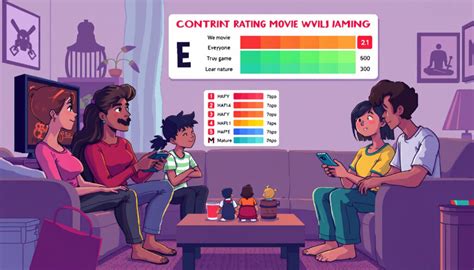
Each rating system typically has two main components: an age rating and content descriptors. The age rating suggests the minimum age for which the game is deemed appropriate, based on its overall content. For instance, an ESRB ‘E’ means ‘Everyone,’ ‘T’ for ‘Teen,’ and ‘M’ for ‘Mature 17+.’ Similarly, PEGI uses age labels like 3, 7, 12, 16, and 18.
Content descriptors provide specific details about elements within the game that may be of concern, such as “Violence,” “Language,” “Sexual Themes,” “Drug Reference,” or “Gambling.” These descriptors are vital because a game with an age-appropriate rating might still contain specific elements you’d prefer your child avoids. Always check both the age rating and the content descriptors before making a decision.
Choosing the Right Games: Beyond the Rating
While ratings are an excellent starting point, they are not the only factor to consider. Every child is unique, and their maturity levels can vary significantly. Here’s how to make informed choices:
- Read Reviews: Look for reviews from trusted parenting sites, gaming publications, or other parents. They often provide deeper insights into gameplay, themes, and potential issues.
- Watch Gameplay Videos: A quick search on platforms like YouTube can show you actual gameplay, giving you a clearer picture of the game’s visuals, mechanics, and overall tone.
- Talk to Other Parents: Word-of-mouth recommendations and shared experiences can be incredibly valuable.
- Consider Your Child’s Personality: Does your child get easily scared or anxious? Are they sensitive to certain themes? Tailor your choices to their individual temperament.

Mastering Screen Time: Setting Healthy Boundaries
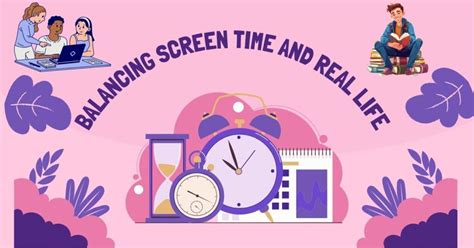
Once you’ve found age-appropriate games, the next challenge is managing how much time your child spends playing them. Screen time management isn’t about eliminating digital play, but about balancing it with other essential activities.
- Establish Clear Rules: Work with your child to set clear limits on daily or weekly screen time. This could be a specific number of hours, or tied to completing homework and chores.
- Implement Tech-Free Zones and Times: Designate certain areas (e.g., bedrooms at night) or times (e.g., during meals, an hour before bedtime) as tech-free.
- Utilize Parental Control Tools: Most gaming consoles, PCs, and mobile devices offer built-in parental controls that allow you to set time limits, block certain content, or restrict online interactions. Familiarize yourself with these features.
- Encourage Diverse Activities: Ensure your child has a rich balance of activities including outdoor play, reading, creative arts, and social interaction. Games should complement, not replace, these experiences.

Quality Over Quantity: Making Screen Time Meaningful
Not all screen time is created equal. Encourage games that promote problem-solving, creativity, collaboration, or physical activity (like fitness games). Look for opportunities to turn gaming into a family activity.
Engage with your child about their games. Ask them what they like about a game, who they play with, and what they’ve learned. This open communication helps you understand their digital world and allows you to guide them more effectively.

Leading by Example and Staying Informed
Children learn by observing. Model healthy screen habits yourself. Put away your phone during family meals, take breaks from your own devices, and demonstrate how to balance digital life with real-world responsibilities.
The gaming landscape is constantly evolving. Stay informed about new games, trends, and safety features. Regularly review your family’s screen time rules and adjust them as your children grow and their needs change.

Conclusion
Navigating game ratings and managing screen time doesn’t have to be a battle. By understanding the tools available, fostering open communication, setting clear boundaries, and leading by example, you can empower your children to enjoy the exciting world of digital play responsibly. The goal is not to eliminate screens, but to integrate them into a healthy, balanced lifestyle, ensuring that gaming remains a source of age-appropriate fun and positive development.