



What F2P strategy best avoids gacha FOMO and predatory monetization for game enjoyment?
Navigating the F2P Landscape: Reclaiming Enjoyment from Gacha’s Grasp
Free-to-Play (F2P) games have revolutionized the gaming industry, offering accessible entertainment to millions. However, this accessibility often comes with sophisticated monetization strategies, particularly the “gacha” mechanic, which can foster a “Fear Of Missing Out” (FOMO) and lean into predatory tactics. The key to long-term game enjoyment in this environment isn’t to boycott F2P entirely, but to adopt a conscious strategy that reclaims control from these psychological pressures.

Understanding the Gacha Machine and Its Pull
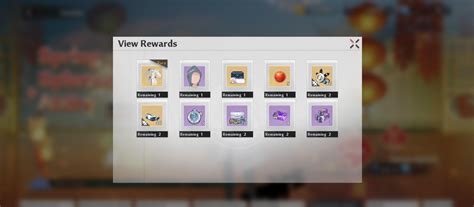
Gacha mechanics, inspired by Japanese capsule toy machines, involve randomized rewards. Players spend in-game currency (often purchased with real money) for a chance to acquire rare characters, items, or upgrades. This randomness, combined with limited-time offers and power creep, is designed to trigger FOMO – the anxiety that you might miss out on something valuable or essential for progression. Predatory monetization amplifies this by creating artificial scarcity, offering “must-have” advantages, or making core progression feel agonizingly slow without spending.
The allure is strong: the thrill of the pull, the potential to “get lucky,” and the desire to keep pace with others. But repeatedly chasing these fleeting highs can lead to burnout, financial strain, and a profound sense of dissatisfaction, undermining the very enjoyment the game was meant to provide.
Player-Centric Strategies to Beat the System
1. Set Clear Boundaries and Stick to Them
The most crucial step is establishing strict spending limits. Decide beforehand if you will be a purely F2P player, or if you’ll allocate a small, fixed budget (e.g., for a battle pass, if it offers good value). Once set, treat this as an unbreakable rule. Avoid linking payment methods directly to the game if possible, or require a password for every purchase to add friction.

2. Embrace the “Free” in Free-to-Play
Shift your mindset from “needing everything” to “enjoying what I have.” F2P games are designed to be played for free. Focus on the core gameplay, the narrative, the community, or the strategic elements available without spending. Celebrate the free rewards and progression you achieve through consistent play, rather than dwelling on the premium items you don’t possess.
3. Research and Evaluate Before You Invest Time
Before diving deep into a new F2P title, do your homework. Look up reviews regarding its monetization practices, community sentiment, and long-term viability for F2P players. Some games are far more generous than others with their premium currency or character availability, making them genuinely enjoyable without significant investment.
4. Diversify Your Gaming Portfolio
Don’t put all your gaming eggs in one gacha basket. Playing multiple games, including premium titles or other F2P games with different monetization models, can reduce the pressure to spend in any single game. It helps dilute the FOMO effect by reminding you that there’s always more fun to be had elsewhere.
5. Recognize and Counter Psychological Triggers
- Time Pressure: Limited-time banners and events are FOMO’s best friend. Remind yourself that another, often similar, opportunity will likely arise.
- Sunk Cost Fallacy: Don’t spend more money just because you’ve already spent some (or a lot) of time. Value your current enjoyment over past investments.
- Peer Pressure/Social Comparison: Ignore leaderboards or friends showing off their rare pulls. Your game experience is personal.

The Role of Developers and Ethical Monetization
While players hold much of the power in their own choices, developers also have a crucial role. Transparent drop rates, generous F2P progression paths, and value-driven battle passes (where you know exactly what you’re buying) are examples of ethical monetization. Games that prioritize long-term player retention and satisfaction over short-term revenue spikes often create a healthier ecosystem for everyone.
The Best F2P Strategy: A Mindset of Mindful Enjoyment
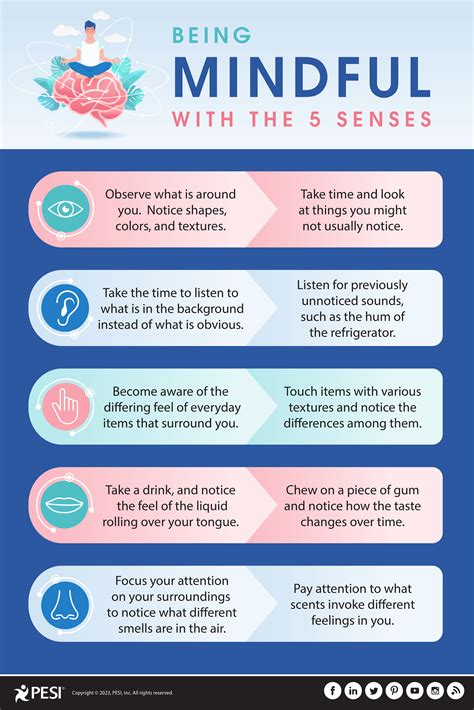
The most effective F2P strategy to avoid gacha FOMO and predatory monetization for game enjoyment is a combination of strong personal boundaries and a mindful approach to gaming. It means understanding that these games are designed to tempt you, acknowledging those temptations, and consciously choosing to prioritize your well-being and financial health over chasing fleeting digital rewards.
Ultimately, a game should be a source of relaxation and fun, not stress or regret. By adopting these strategies, players can reclaim the joy of gaming and genuinely appreciate the “free” aspect of their favorite titles.