




How to choose age-appropriate games for kids, big and small?

Choosing the right games for children, from toddlers to teenagers, is more than just picking something fun; it’s about fostering development, encouraging learning, and ensuring a safe, engaging experience. With an overwhelming number of options available, understanding how to select age-appropriate games can feel like a daunting task for parents. This guide will help you decode what makes a game suitable for different age groups, ensuring your child’s playtime is both enjoyable and enriching.
Why Age-Appropriateness Matters
Playing games is a fundamental part of childhood, contributing significantly to a child’s cognitive, physical, social, and emotional development. An age-appropriate game challenges a child without overwhelming them, introducing new concepts at a pace they can grasp, and requiring skills they are ready to develop. Conversely, games that are too advanced can lead to frustration and disengagement, while those that are too simplistic might bore them or fail to stimulate growth. The goal is to find that sweet spot where a game supports their current stage of development while gently pushing them towards new skills.

Key Developmental Stages and Game Features
Understanding the general characteristics of different age groups is crucial for informed game selection.
Toddlers & Preschoolers (Ages 1-5)
For the youngest players, games should focus on sensory exploration, basic motor skills, and simple problem-solving. Look for games with: bright colors, varied textures, simple rules, durable pieces, opportunities for imaginative play, and basic counting or shape recognition. Think stacking toys, simple puzzles, building blocks, and role-play items.
School-Aged Children (Ages 6-12)
As children enter school, their cognitive abilities expand rapidly. They can follow more complex rules, engage in strategic thinking, and enjoy cooperative or competitive play. Games for this age group should encourage: critical thinking, strategy, fine motor skills, reading comprehension, social interaction, and perseverance. Board games, craft kits, science experiments, and age-rated video games with clear objectives are excellent choices.
Teenagers (Ages 13+)
Teenagers are developing abstract thinking, complex problem-solving skills, and a deeper understanding of social dynamics. Games can provide opportunities for: advanced strategy, complex narratives, teamwork, ethical dilemmas, and creative expression. Role-playing games, advanced strategy board games, and mature-rated video games (chosen with parental discretion) can be highly engaging and stimulating.

Demystifying Game Rating Systems
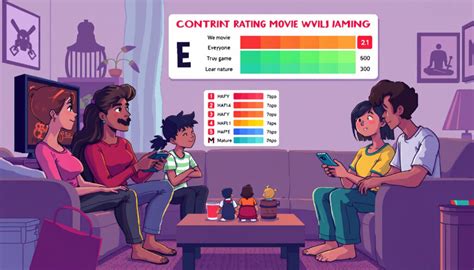
Many countries have rating systems designed to help parents. In North America, the ESRB (Entertainment Software Rating Board) provides ratings like E (Everyone), E10+ (Everyone 10+), T (Teen), and M (Mature). In Europe, PEGI (Pan European Game Information) uses age labels (3, 7, 12, 16, 18) and content descriptors. These systems offer a valuable first line of defense, indicating appropriate age ranges and potential content like violence, language, or suggestive themes. Always check these ratings, but remember they are general guidelines, not substitutes for parental judgment.
Beyond the Ratings: Knowing Your Child
While rating systems are helpful, your child’s unique personality, maturity level, and interests are paramount. A game rated ‘E10+’ might be perfectly fine for one 8-year-old but too intense for another. Consider:
- **Their Temperament:** Is your child easily frustrated? Do they prefer calm activities or high-energy ones?
- **Their Interests:** What topics excite them? Animals, space, fantasy, sports?
- **Their Social Readiness:** Are they ready for competitive games, or do they thrive more in cooperative settings?
- **Their Emotional Maturity:** Can they handle losing gracefully? Do they understand the difference between game content and reality?
Observe your child during playtime. What do they enjoy? What makes them disengage? These insights are invaluable.
Balancing Fun, Learning, and Social Skills
The best games offer a blend of entertainment and developmental benefits. Look for games that:
- **Promote Learning:** Whether it’s math, reading, history, or science, many games subtly incorporate educational elements.
- **Encourage Creativity:** Games that allow for imaginative play, building, or storytelling are great for fostering creativity.
- **Develop Problem-Solving Skills:** Puzzles, strategy games, and adventure games all require critical thinking.
- **Enhance Social Interaction:** Board games, card games, and multiplayer video games can teach teamwork, negotiation, and good sportsmanship.
Remember to also consider the balance between screen time and unplugged play. Both have their unique benefits.

Practical Tips for Game Selection
- **Research Online:** Read reviews, watch gameplay videos, and check parent forums.
- **Try Before You Buy:** Many digital games offer demos, and some stores allow you to try board games.
- **Involve Your Child:** Let them participate in the selection process. This fosters a sense of ownership and ensures their interests are met.
- **Play Together:** The best way to assess a game’s appropriateness and maximize its benefits is to play it with your child.
- **Read the Manual/Instructions:** Understand the rules, objectives, and any content warnings.
Selecting age-appropriate games is an ongoing process that evolves as your child grows. By combining external rating systems with a deep understanding of your child’s individual needs and preferences, you can cultivate a playful environment that supports their development, sparks their imagination, and strengthens family bonds. Happy gaming!