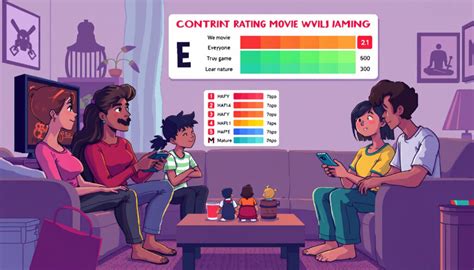





Actionable tips to prevent accidental in-game purchases by young gamers?
Navigating the Digital Playground: Protecting Against Accidental In-Game Spending
Video games offer immense entertainment and social connection for children, but the digital landscape can also present unexpected financial pitfalls, particularly with in-game purchases. Many games are free-to-play, relying on microtransactions for revenue, which can be easily triggered by curious young fingers. Preventing these accidental purchases is crucial for parents to maintain control over their finances and teach responsible digital habits. Here are actionable strategies to safeguard your wallet and educate your child.
1. Establish Clear Communication and Education
The first line of defense is open dialogue. Sit down with your child and explain how in-game purchases work. Many children don’t fully grasp that virtual items or currency equate to real money. Discuss:
- The concept of virtual currency: Explain that “gems,” “coins,” or “V-Bucks” cost real money.
- The difference between free content and paid content: Help them identify elements that require payment.
- The value of money: Relate in-game spending to real-world costs to make it more tangible.
- Seeking permission: Institute a strict rule that no purchases are to be made without explicit parental consent.
2. Implement Robust Parental Controls and Device Settings
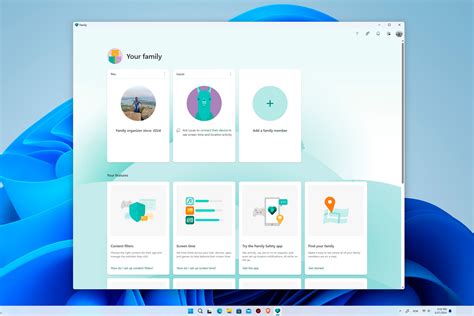
Most gaming platforms, consoles, and mobile devices offer built-in parental controls designed to prevent unauthorized spending. Utilize these features diligently:
- Set up password protection: Ensure that any purchase requires a password or PIN that only you know. Never share these with your child.
- Disable in-app purchases: On mobile devices (iOS, Android), you can often disable the ability to make in-app purchases entirely within the device settings.
- Utilize console family settings: PlayStation, Xbox, Nintendo Switch, and PC platforms like Steam all have comprehensive family settings that allow you to restrict spending, require passwords, and even set spending limits.
- Remove stored payment information: If possible, avoid saving credit card details directly on gaming accounts or devices used by your children.

3. Manage Accounts and Payment Methods Strategically
Beyond device settings, how you manage your payment methods can significantly reduce risk.
- Use gift cards: Purchase specific gift cards for game platforms (e.g., App Store, Google Play, Xbox, PlayStation Store) and only load the amount you’re comfortable with. This creates a hard spending limit.
- Consider a separate child account: Many platforms allow you to create child accounts linked to a parent account, which offers granular control over permissions and spending.
- Monitor linked email accounts: Ensure that any email linked to your child’s gaming account is one you actively monitor for purchase notifications.

4. Regular Monitoring and Review
Vigilance is key. Technology can change, and children can find workarounds if not regularly checked.
- Check purchase history: Periodically review transaction histories on your gaming platforms or linked credit card statements for any unfamiliar charges.
- Stay informed: Keep up-to-date with the games your child plays and understand their monetization models. New games often introduce new ways to spend.
- Discuss new game mechanics: As your child explores new games, have a conversation about any new in-game currencies or purchasing options they encounter.

5. Teach Financial Literacy Through Gaming
This challenge can also be an opportunity to teach valuable lessons about money management. You can:
- Set a gaming budget: Allow your child a small, pre-approved budget for in-game purchases, teaching them to make choices and understand limitations.
- Earn privileges: Connect in-game spending allowances to chores or good behavior, reinforcing the idea that money is earned.
- Discuss marketing tactics: Explain how games are designed to encourage spending and help your child recognize these tactics.
Creating a Safe and Responsible Gaming Environment
By combining open communication, robust technical safeguards, strategic account management, and ongoing education, parents can create a secure gaming environment that protects against accidental in-game purchases. This proactive approach not only saves money but also fosters greater financial awareness and digital literacy in young gamers, empowering them to enjoy their digital adventures responsibly.