
How to choose age-appropriate video games & understand ESRB ratings?

In today’s digital age, video games are an integral part of many children’s lives. While they offer numerous benefits, from enhancing problem-solving skills to fostering creativity, ensuring that children play age-appropriate content is crucial for their well-being and development. This guide will help parents understand the tools available to make informed decisions, primarily focusing on the ESRB rating system.
Why Age-Appropriate Gaming Matters
Exposure to content beyond a child’s developmental stage can lead to various issues, including anxiety, aggression, or confusion. Age-appropriate games, on the other hand, provide challenges that are stimulating without being overwhelming, align with a child’s emotional maturity, and reinforce positive values. Choosing the right games isn’t about restricting fun; it’s about fostering healthy growth and ensuring a positive gaming experience.

Decoding the ESRB Rating System
The Entertainment Software Rating Board (ESRB) provides a comprehensive system designed to help consumers, especially parents, make informed decisions about video games. Each rating consists of two key components: a Rating Category and Content Descriptors.
Rating Categories
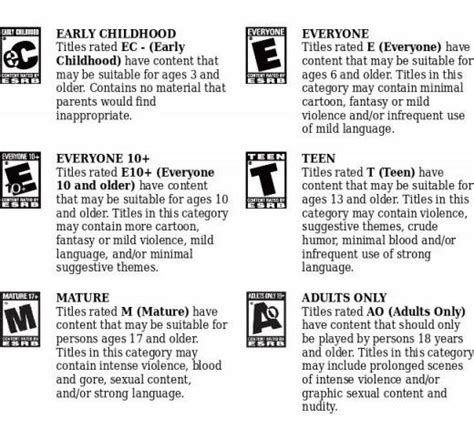
The Rating Category is prominently displayed on game packaging and digital storefronts, indicating the recommended age range for players. Here’s a breakdown of the primary categories:
- EC (Early Childhood): Generally suitable for ages 3 and up. Contains no material that parents would find inappropriate.
- E (Everyone): Suitable for ages 6 and up. May contain minimal cartoon, fantasy, or mild violence and/or infrequent mild language.
- E10+ (Everyone 10+): Suitable for ages 10 and up. May contain more cartoon, fantasy or mild violence, mild language, and/or minimal suggestive themes.
- T (Teen): Suitable for ages 13 and up. May contain violence, suggestive themes, crude humor, minimal blood, simulated gambling, and/or infrequent strong language.
- M (Mature): Suitable for ages 17 and up. May contain intense violence, blood and gore, sexual content, and/or strong language.
- AO (Adults Only 18+): Content is for adults 18 and older. May include prolonged scenes of intense violence, graphic sexual content, and/or gambling with real currency.
Content Descriptors
Beyond the age rating, Content Descriptors provide specific details about the elements that contributed to the rating. These are listed on the back of physical game boxes and on digital product pages. Examples include:
- Alcohol Reference
- Blood
- Crude Humor
- Drug Reference
- Fantasy Violence
- Gambling Themes
- Language
- Sexual Themes
- Use of Tobacco
By reviewing both the Rating Category and the Content Descriptors, parents can gain a comprehensive understanding of a game’s content and determine its appropriateness for their child.
Practical Tips for Parents
Understanding the ESRB system is a great first step, but here are additional tips for making the best choices for your family:
- Research Beyond the Ratings: Watch gameplay videos on YouTube, read reviews from reputable gaming sites, or visit the ESRB website for detailed summaries.
- Play Together: If possible, play games with your children. This allows you to experience the content firsthand and engage in conversations about what they encounter.
- Talk to Other Parents: Share experiences and get recommendations from other parents in your community.
- Set Boundaries: Establish clear rules about game choices, playtime limits, and appropriate in-game behavior.
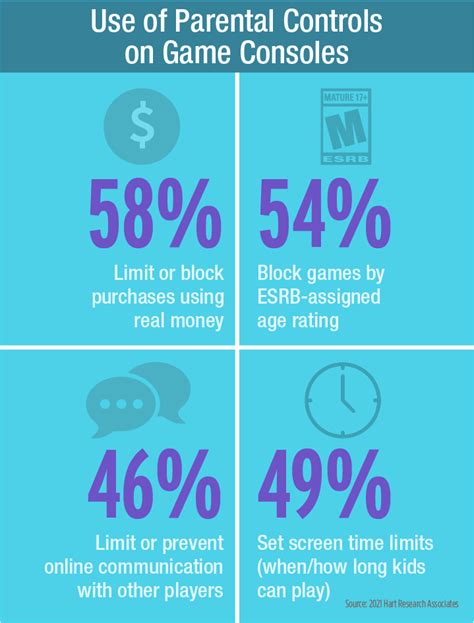
- Utilize Parental Controls: Most gaming consoles and platforms offer robust parental control settings that allow you to restrict access to games based on ESRB ratings, manage screen time, and control online interactions.

Beyond the Ratings: Open Communication
While ratings are invaluable, they are not a substitute for open and ongoing communication with your child. Encourage them to talk about the games they play, what they enjoy, and anything that makes them uncomfortable. Discuss themes, characters, and storylines. This dialogue not only helps you understand their gaming world but also fosters critical thinking and media literacy.
Conclusion
Choosing age-appropriate video games is a vital aspect of responsible parenting in the digital age. By diligently utilizing the ESRB rating system, researching game content, setting clear boundaries, and maintaining open communication, parents can confidently guide their children towards positive and enriching gaming experiences. Empower yourself with knowledge, and ensure your children’s gaming adventures are safe, fun, and beneficial.