




Beyond ESRB, how can I pick truly age-appropriate games for my child?

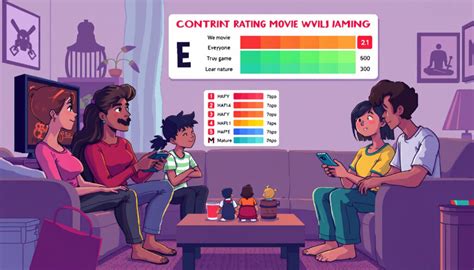
In the vast and ever-evolving world of video games, ensuring your child plays titles that are genuinely suitable for their age and developmental stage can feel like a daunting task. The Entertainment Software Rating Board (ESRB) system offers a valuable baseline, with ratings like E for Everyone, T for Teen, and M for Mature, along with content descriptors for violence, language, and suggestive themes. However, savvy parents quickly realize these ratings, while helpful, don’t tell the whole story. Every child is unique, and what’s appropriate for one 10-year-old might be overwhelming for another. So, how can you go beyond the label to make truly informed choices?
Understanding the Limitations of Ratings
ESRB ratings are designed for a broad audience, providing a general guide. They often focus on easily quantifiable elements like overt violence or profanity. What they don’t always capture is the nuance of a game’s emotional intensity, the complexity of its themes, or the cognitive demands it places on a player. A game rated E might involve complex problem-solving that frustrates a younger child, while a T-rated game might have a compelling story that resonates positively despite a mild fantasy violence descriptor. The key is to recognize that a rating is a starting point, not the definitive answer.

Beyond the Label: A Holistic Approach
To truly gauge a game’s suitability, you need to dig deeper into several aspects:
1. Gameplay Mechanics and Complexity
Consider how the game is played. Is it a fast-paced action game requiring quick reflexes and strategic thinking, or a slower-paced puzzle game focused on logic? Some games demand extensive reading, intricate menu navigation, or precise motor skills that might be beyond a younger child’s current development. Think about the potential for frustration and whether your child has the patience and cognitive tools to engage positively with the core mechanics.
2. Narrative Themes and Emotional Content
This is where ESRB ratings can be most limited. Beyond explicit violence, consider the story’s emotional weight. Does it deal with themes of loss, betrayal, complex moral dilemmas, or mature relationships? While these can be enriching for older children, they might be confusing or distressing for younger ones. Even in cartoonish settings, the emotional impact of a narrative can vary wildly from child to child.
3. Social Interaction and Online Elements
Many modern games have online multiplayer components. This introduces a whole new layer of considerations. Is there open voice chat? What kind of community does the game foster? Is it collaborative and friendly, or competitive and potentially toxic? Even if a game’s content is appropriate, the online environment can expose children to inappropriate language, bullying, or predatory behavior. Always investigate parental control options for online interactions.
4. Time Commitment and Addiction Potential
Some games are designed for short, casual play sessions, while others feature endless progression loops, daily rewards, or competitive ladders that can encourage prolonged engagement. Consider whether the game respects your child’s time and how easily it might lead to excessive screen time or frustration if they can’t achieve desired outcomes quickly.

Practical Steps for Parents
Making an informed decision requires a bit of detective work and open communication:
1. Research and Review
- Watch Gameplay Videos: YouTube and Twitch are invaluable resources. Search for gameplay footage and trailers to see the game in action. Pay attention to the actual gameplay, dialogue, and overall tone.
- Read Parent Reviews: Look beyond professional game critics. Websites like Common Sense Media offer detailed reviews from a parent’s perspective, often breaking down educational value, violence, language, and other concerns.
- Check Developer Websites: Developers often provide more in-depth information about their game’s themes and mechanics.
2. Hands-On Exploration
If possible, try the game yourself. Many games offer free demos or are available through subscription services, allowing you to experience the content directly before committing. Even playing for a short while can give you a much better feel for its suitability than any rating or review.

3. Open Communication
- Talk to Your Child: Ask them what kinds of games they’re interested in and why. Listen to their perspectives and concerns. This fosters trust and provides valuable insight.
- Discuss with Other Parents: Your parent network can be a great source of recommendations and warnings. Share experiences and insights about games your children are playing.
- Play Together: When possible, play games with your child. This not only gives you direct insight into the game’s content but also provides an excellent opportunity for bonding and discussion.
The Continuous Journey
Choosing age-appropriate games is not a one-time decision but an ongoing conversation and assessment. As your child grows and develops, their interests, maturity, and capacity to handle complex themes will change. What wasn’t appropriate at age eight might be perfectly fine at age twelve. Regularly check in, observe their reactions to games, and maintain an open dialogue about their gaming experiences.

Ultimately, while ESRB ratings are a helpful baseline, your parental judgment, informed by thorough research and a deep understanding of your own child, remains the most powerful tool in ensuring a healthy and enriching gaming experience.