



What’s the optimal structure for game beginner guides to clearly explain complex mechanics?

The Challenge of Onboarding New Players
For many modern games, especially those in genres like grand strategy, RPGs, or competitive multiplayer, complexity isn’t just a feature – it’s often the main draw. However, this depth can also be a formidable barrier for new players. A poorly structured beginner guide can quickly overwhelm and frustrate, leading to uninstalled games and lost potential fans. The goal isn’t just to list features, but to guide a player from confusion to competence, building their understanding and confidence progressively.
The key to explaining complex mechanics lies not in simplifying the mechanics themselves, but in simplifying their presentation. An optimal guide structure acts like a carefully constructed bridge, leading players across the chasm of complexity one sturdy step at a time.

Core Principles for Effective Guides
Before diving into structure, it’s crucial to establish the foundational principles: Simplicity, Context, and Progressive Learning. Simplicity dictates breaking down concepts into their smallest, most digestible parts. Context ensures players understand *why* a mechanic matters to their gameplay. Progressive learning means building knowledge layer by layer, never introducing advanced concepts before prerequisites are firmly established.
Phase 1: The Initial Hook and Overview
A great guide starts by immediately addressing the player’s primary question: “What is this game about, and why should I care?”
- Engaging Introduction: Start with a brief, exciting overview of the game’s core loop or fantasy. Hook the player emotionally.
- Scope Statement: Clearly state what the guide will cover and what it won’t. Manage expectations. For example, “This guide will teach you the basics of combat and crafting, not advanced endgame strategies.”
- Goal Setting: Reassure the player that by the end of the guide, they’ll be able to perform a specific, tangible action (e.g., “By the end, you’ll be able to successfully complete your first quest!”).
Phase 2: Laying the Foundation
This phase is about establishing the absolute bedrock of understanding. Without this, everything else crumbles.
- Basic UI & Controls: Introduce the most fundamental elements of the user interface and basic movement/interaction controls. Use labeled screenshots or short video clips.
- Core Terminology Glossary: Define essential game-specific jargon upfront. Don’t assume players understand terms like “aggro,” “DPS,” or “CC” in a new context. Keep it concise.
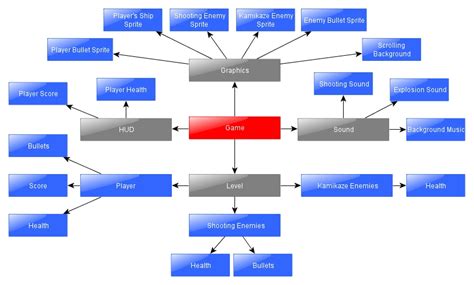
- The Core Loop Explained: Briefly illustrate the game’s primary cycle of play (e.g., gather resources, build base, fight enemies, upgrade). This provides a mental map.
Phase 3: The Layered Approach to Mechanics
This is where complex mechanics are introduced, one at a time, using the principle of progressive disclosure.
- Introduce One Mechanic at a Time: Dedicate separate sections to individual mechanics (e.g., “Understanding Resource Management,” “Your First Combat Encounter”).
- The “What, Why, How” Framework: For each mechanic, explain:
- What it is (clear definition).
- Why it matters (its impact on gameplay, strategy, and success).
- How to use it (step-by-step instructions, practical application).
- Concrete Examples & Analogies: Use in-game examples or real-world analogies to make abstract concepts relatable.
- Gradual Complexity Build-up: Start with the simplest aspects of a mechanic, then introduce modifiers, advanced interactions, or exceptions only after the basic understanding is solid.

Phase 4: Practical Application and Reinforcement
Reading isn’t enough; players need to *do* to truly learn. This phase bridges theory and practice.
- Step-by-Step Walkthroughs: Guide players through a micro-scenario that utilizes the mechanics just explained. This could be a “first mission” or a “build your first item” sequence.
- “Try This Now” Sections: Encourage immediate in-game experimentation. Provide specific challenges or prompts for the player to test their new knowledge.
- Common Pitfalls & Troubleshooting: Address frequent mistakes new players make and offer solutions. This preempts frustration.
- Interactive Elements (if applicable): Consider quizzes, decision trees, or clickable diagrams if the guide platform supports them.
Phase 5: Beyond the Basics and Encouragement
Once players have a grasp of the fundamentals, empower them to continue their journey.
- Next Steps & Advanced Concepts: Briefly hint at more advanced mechanics or strategies, letting players know there’s more to discover without overwhelming them.
- Further Resources: Link to official wikis, community forums, content creators, or other specialized guides. Foster engagement with the broader game community.
- Reinforce Enjoyment: Remind players that learning is part of the fun and encourage them to experiment and find their own playstyle.

Conclusion: Guiding Players to Mastery
An optimally structured beginner guide transforms the daunting task of learning complex game mechanics into an enjoyable, rewarding journey. By adhering to principles of simplicity, context, and progressive learning, and by employing a clear, phased approach from initial hook to advanced resources, guides can effectively demystify even the most intricate systems. The ultimate reward is not just a player who understands the game, but one who feels confident, engaged, and ready to explore its depths on their own terms.