




How to choose age-appropriate games and set healthy screen time limits for kids?

In today’s digitally driven world, screens are an undeniable part of children’s lives. While digital games and entertainment can offer educational benefits and fun, parents often grapple with two main challenges: how to choose games that are truly right for their child’s age and development, and how to set healthy boundaries for screen time. Striking the right balance is crucial for fostering a child’s overall well-being.
Choosing Age-Appropriate Games
Selecting the right games goes beyond just what’s popular; it’s about understanding your child’s developmental stage and the game’s content. A game that’s too advanced or inappropriate can lead to frustration, anxiety, or exposure to themes they’re not ready for.
Understand Game Rating Systems
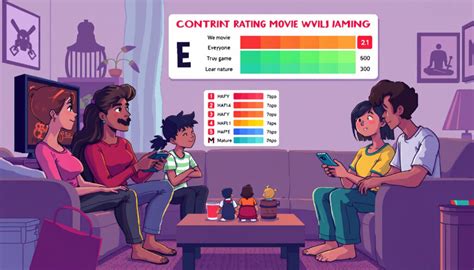
The first line of defense in game selection is paying attention to established rating systems. In North America, the Entertainment Software Rating Board (ESRB) provides ratings like E (Everyone), E10+ (Everyone 10+), T (Teen), and M (Mature). In Europe, PEGI (Pan European Game Information) offers similar guidance. These ratings consider factors like violence, language, sexual themes, and drug references.
- ESRB (North America): Look for ratings on game boxes or digital store pages. The content descriptors explain why a game received its rating (e.g., “Fantasy Violence,” “Mild Language”).
- PEGI (Europe): Uses age labels (3, 7, 12, 16, 18) and content descriptors (e.g., Violence, Bad Language, Fear).

Beyond the Ratings: Review Content and Gameplay
While ratings are a good starting point, they don’t tell the whole story. It’s wise for parents to:
- Read reviews and watch gameplay videos: See the game in action before your child plays it. Websites like Common Sense Media offer detailed reviews specifically for parents, including educational value and potential concerns.
- Consider developmental benefits: Does the game encourage problem-solving, creativity, strategic thinking, or teamwork? Many games offer excellent learning opportunities.
- Involve your child: Discuss what games they’re interested in and why. This provides an opportunity to educate them about game choices and digital safety.
Setting Healthy Screen Time Limits
Establishing boundaries for screen time is just as vital as choosing appropriate content. Unregulated screen time can impact sleep, physical activity, academic performance, and social development.
Follow Age-Based Guidelines
Organizations like the American Academy of Pediatrics (AAP) provide recommendations:
- Under 18 months: Avoid screen media, except for video-chatting with family.
- 18-24 months: If introducing digital media, choose high-quality programming and watch it with your child.
- 2-5 years: Limit screen use to 1 hour per day of high-quality programming, co-viewing when possible.
- 6 years and older: Consistent limits should be set, ensuring screen time doesn’t displace adequate sleep, physical activity, and other essential activities.

Balance Screen Time with Other Activities
The goal isn’t just to limit screen time but to ensure a rich and varied daily routine. Encourage:
- Physical play: Outdoor activities, sports, active games.
- Creative play: Art, music, imaginative role-playing.
- Reading: Books, stories, and fostering a love for literacy.
- Social interaction: Playdates, family time, community involvement.

Establish Clear Rules and Consistency
Children thrive on routine and clear expectations. Work with your child to develop a “media plan” that outlines when, where, and for how long screens can be used. This might include:
- No screens during meals or an hour before bedtime.
- Screen time earned after homework or chores are complete.
- Designated “screen-free zones” like bedrooms.
Consistency is key. If rules are regularly broken or inconsistently enforced, they lose their effectiveness. Parental control apps and device settings can also help enforce these limits.

Practical Tips for Parents
- Co-view and Co-play: Engage with your child during screen time. Play games together, discuss what they’re watching, and use it as a bonding and teaching opportunity.
- Lead by Example: Your own screen habits influence your children. Be mindful of your phone use and ensure you’re present and engaged when with your family.
- Educate About Online Safety: As children grow, teach them about privacy, cyberbullying, and responsible online behavior.
- Embrace Tech for Good: Highlight the positive aspects of technology, such as educational apps, virtual tours, or connecting with distant relatives.

Conclusion
Navigating the digital world with children is an ongoing process that requires active parental involvement. By diligently choosing age-appropriate games and consistently enforcing healthy screen time limits, parents can foster a balanced environment where technology serves as a tool for learning and fun, rather than a source of concern. Open communication, leading by example, and a focus on diverse activities will pave the way for children to develop a healthy relationship with digital media.