




How to effectively filter store noise to find truly great indie hidden gems?
The Indie Game Avalanche: A Blessing and a Curse
The digital age has democratized game development, leading to an explosion of independent titles. While this influx offers unparalleled creativity and innovation, it also presents a significant challenge: how do you sift through the sheer volume of new releases to unearth those truly exceptional, hidden gems? Storefronts like Steam, itch.io, and Epic Games Store are brimming with thousands of games, making it easy for unique masterpieces to get lost in the “noise.” This guide will equip you with effective strategies to navigate the crowded digital landscape and discover your next favorite indie adventure.

Mastering Storefront Filters and Tags
Most major digital storefronts offer robust filtering and tagging systems, but many players don’t utilize them to their full potential. Instead of just browsing “New Releases” or “Popular,” dig deeper:
- Specific Genres: Go beyond broad categories. Instead of “RPG,” try “Turn-Based Tactical RPG” or “Story-Rich Adventure.”
- Player Tags: Look for community-driven tags that often highlight unique aspects, such as “Pixel Graphics,” “Metroidvania,” “Roguelike Deckbuilder,” or “Cozy Game.”
- Exclude Tags: Just as important as including tags is excluding what you don’t want. Don’t like horror? Exclude “Horror.” Tired of Early Access? Filter it out.
- Price Filters: Sometimes, true gems are found among the lower-priced or even free titles that don’t get as much marketing push. Experiment with price ranges.
Remember that algorithms often favor games with high sales or playtimes. Deliberately going against the mainstream suggestions by applying niche filters can lead you directly to less-seen titles that align perfectly with your preferences.

Leveraging Curated Communities and Critics
While algorithms are useful, human curation often provides better insight into quality and unique appeal. Seek out:
- Specialized YouTube Channels & Streamers: Many content creators dedicate themselves to reviewing or showcasing obscure indie games. Find one whose tastes align with yours.
- Indie Game Blogs & Websites: Sites like Rock Paper Shotgun, Indie Games Plus, or even smaller, passion-driven blogs often feature deep dives into games that major outlets overlook.
- Discord Servers & Reddit Communities: Join communities focused on specific genres or indie games (e.g., r/indiegames, r/patientgamers). Members frequently share lesser-known titles they’ve enjoyed.
- Game Jams & Festivals: Keep an eye on games developed during events like Ludum Dare or featured in online festivals. These often highlight experimental and innovative concepts.
These curated sources act as informed guides, cutting through the noise with personal recommendations and thoughtful analysis.
The Power of Demos, Wishlists, and Developer Engagement
One of the best ways to gauge a game’s potential is to try it yourself. Many indie developers offer:
- Demos: Don’t overlook these! A demo provides a direct experience of gameplay, art style, and overall feel, allowing you to determine if a game is a true fit before committing.
- Wishlists: Add interesting-looking games to your wishlist. This not only keeps you informed of sales but also helps storefront algorithms understand your preferences, potentially leading to better recommendations down the line.
- Early Access & Alphas/Betas: While not for everyone, participating in early access or beta programs can give you a front-row seat to developing gems. Research the developer’s track record for updates and community engagement before diving in.
Additionally, following indie developers on social media (Twitter, Mastodon) or joining their Discord servers can provide early peeks at upcoming projects, behind-the-scenes insights, and even opportunities to play test.

Spotting Quality: Green Flags and Red Flags
When you stumble upon a potential gem, look for these indicators:
- Green Flags: Clear communication from developers, unique art style or gameplay hook, positive early reviews (especially from smaller, focused outlets), active community discussions, and frequent, meaningful updates (for Early Access).
- Red Flags: Vague descriptions, generic screenshots, abandoned social media, overwhelmingly negative or suspicious reviews, promises that seem too good to be true, and a lack of transparency from the development team.
A quick check of a game’s Steam reviews (paying attention to both positive and negative, and looking for common themes) can also be highly illuminating. Focus on reviews that describe the actual gameplay experience rather than just expressing a general sentiment.
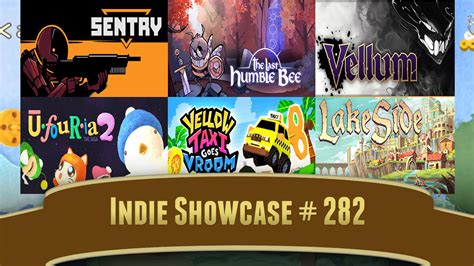
The Reward of the Hunt
Filtering through the abundance of games to find truly great indie hidden gems requires patience and a proactive approach. It means looking beyond the default storefront recommendations, engaging with specialized communities, and exercising a critical eye. However, the satisfaction of unearthing a unique, innovative, and deeply personal game that resonates with you, knowing you found it through your own efforts, is an unparalleled reward. Happy hunting!