


What’s the best way to choose age-appropriate games for family fun?

Navigating the World of Family Games for All Ages
Family game night can be a cornerstone of cherished memories, laughter, and bonding. However, the sheer volume of games available can make choosing the right ones feel like a game in itself. The key to successful family fun lies in selecting games that are truly age-appropriate, ensuring engagement and enjoyment for everyone involved, from the youngest participant to the oldest.
This guide will help you cut through the clutter and make informed decisions, transforming your game selection process into an easy win for family entertainment.

Decoding Age Ratings and Recommendations
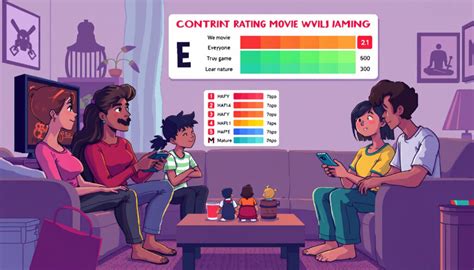
Many games come with age recommendations printed right on the box, but these aren’t always a perfect fit for every family. While they serve as a valuable starting point, understanding what they signify is crucial. For video games, systems like ESRB or PEGI provide detailed content descriptors. For board games, manufacturers often indicate an age range based on complexity, reading skills, or small parts.
- Read the Fine Print: Look beyond just the number. Does the game require reading? Complex strategy? Fine motor skills?
- Understand the ‘Why’: Sometimes a game is rated for older kids due to themes, not just difficulty. For younger children, a game might be labeled 3+ due to choking hazards, even if the gameplay is simple.
Considering Developmental Stages and Interests
Age-appropriateness isn’t just about avoiding frustration; it’s about maximizing engagement. Children’s cognitive, social, and emotional development progresses rapidly, impacting what they can understand and enjoy.
Toddlers (1-3 years old)
Focus on simple mechanics, sensory experiences, and basic turn-taking. Games that involve matching, sorting, or basic physical actions are ideal. Keep sessions short.
Preschoolers (4-6 years old)
They can handle more structured rules and simple strategy. Cooperative games are great for teaching teamwork without the pressure of direct competition. Memory games, simple board games, and imaginative play thrive here.

Elementary Age (7-11 years old)
This age group can engage with more complex rules, strategic thinking, and reading. Both cooperative and competitive games are suitable. Look for games that encourage problem-solving, arithmetic, or geographical knowledge.
Tweens & Teens (12+ years old)
They often enjoy deeper strategy, social deduction, trivia, and games with compelling narratives. Games that allow for player agency and critical thinking will be a hit. Involve them in the selection process to ensure their interests are met.

Beyond the Box: Knowing Your Child
While general age guidelines are helpful, no one knows your child better than you do. A highly verbal five-year-old might handle a game recommended for seven-year-olds, while a shy ten-year-old might prefer simpler cooperative games over intense competitive ones.
- Attention Span: Can your child sit through a longer game, or do they need quick rounds?
- Frustration Tolerance: How do they handle losing or not understanding rules? Some games are more forgiving than others.
- Interests: Do they love animals, space, fantasy, or building? Games themed around their passions will naturally be more engaging.
- Group Dynamics: Consider the number of players and the age range of the group. A game perfect for two might not scale well to five players across different age groups.

The Power of Variety and Adaptation
Don’t feel pressured to find one “perfect” game. A diverse collection of games will cater to different moods, group sizes, and energy levels. Have a mix of:
- Quick, simple games: For short bursts of fun.
- Longer strategy games: For dedicated game nights.
- Cooperative games: To foster teamwork.
- Competitive games: To embrace friendly rivalry.
- Physical games: For when energy needs to be burned.
Remember that “house rules” are always an option! Simplify complex rules for younger players, team up adults with children, or ignore scoring for a more relaxed experience. The goal is fun, not strict adherence to every rule.

Conclusion: Play Together, Grow Together
Choosing age-appropriate games is a thoughtful process that combines official recommendations with a deep understanding of your family’s unique dynamics. By considering developmental stages, observing individual interests, and embracing a variety of game types, you can create a vibrant and engaging game library that fosters connection, learning, and endless family fun. The best game is ultimately one that brings everyone to the table, ready to share laughter and make lasting memories.