



How to identify and avoid predatory gacha mechanics in F2P games?
Understanding Gacha: The Hook
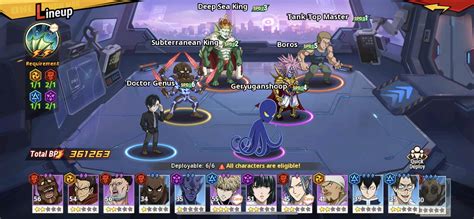
Free-to-play (F2P) games have revolutionized the gaming industry, offering accessible entertainment to millions. A primary monetization model within many F2P titles is “gacha,” derived from Japanese toy vending machines. Players spend real money (or in-game currency earned slowly) for a chance to receive a randomized virtual item, character, or power-up. While gacha can be a legitimate way to fund game development and provide ongoing content, it often veers into predatory territory, exploiting player psychology for maximum profit.

What Makes a Gacha Predatory?
Predatory gacha mechanics are designed to induce excessive spending by manipulating player behavior, often through psychological tactics, unclear odds, and artificial scarcity. They transform the joy of playing into a relentless pursuit of elusive rewards, preying on impulses like completionism, social comparison, and the fear of missing out (FOMO). Identifying these tactics is the first step to protecting your wallet and your mental well-being in the digital playground.
Key Predatory Gacha Mechanics to Watch Out For
Several common design patterns signal a game’s intention to push players towards excessive spending:
Low Drop Rates and Unclear Pity Systems
Many gacha games feature extremely low drop rates for the most desirable items, sometimes less than 1%. While “pity timers” (guaranteeing a rare item after a certain number of pulls) exist, they can be set at exorbitantly high thresholds, requiring hundreds or even thousands of dollars to hit. Worse, some games reset the pity timer if you pull *any* high-tier item, even if it’s not the one you wanted, creating endless cycles of spending.
Artificial Scarcity and Fear of Missing Out (FOMO)
Time-limited banners, seasonal events, and exclusive characters are classic FOMO tactics. Players are pressured to spend now, or miss out on a unique opportunity that might not return for a long time, or ever. This creates urgency and anxiety, overriding rational spending decisions. The constant rotation of “must-have” items keeps players perpetually feeling like they’re behind or missing crucial content.
Power Creep and Mandatory Spending
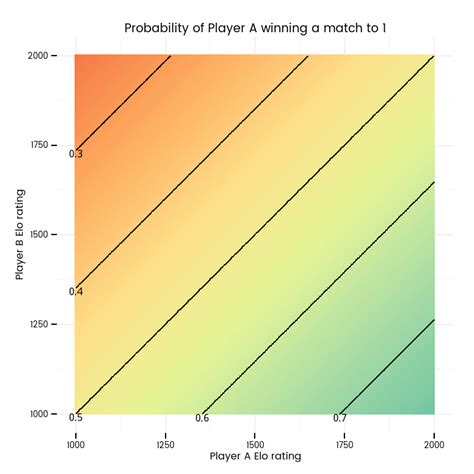
Power creep occurs when new content (characters, weapons, etc.) is consistently more powerful than previous content, making older investments obsolete. This forces players to continuously spend money to acquire the latest, strongest items just to remain competitive or even to clear standard game content. What was once “optional” becomes “essential” for progression, blurring the line between convenience and necessity.
Psychological Manipulation: Sunk Cost and Social Pressure
The “sunk cost fallacy” leads players to continue spending because they’ve already invested so much time and money, making it hard to quit. Furthermore, some games use leaderboards, competitive modes, or guild systems to foster social pressure, encouraging players to spend more to keep up with friends or competitors, or to contribute to their group’s success.

Confusing Currency Systems and Premium Packs
Games often employ multiple layers of in-game currency, with premium currencies purchased with real money. These currencies might be sold in awkward bundle sizes that leave “leftover” amounts, subtly pushing players to buy more to fully utilize their existing funds. Special “packs” or “deals” are designed to appear like great value, but often require significant upfront investment for items whose true value is inflated.
Strategies to Identify and Avoid Them
Armed with knowledge, you can navigate the F2P landscape more safely:
1. Research Before You Invest
Before diving deep into a new F2P gacha game, spend some time researching it. Look for reviews, community discussions, and content creator opinions specifically addressing its monetization practices. Are the developers known for fair practices? Do players complain about excessive grind or paywalls?

2. Set Strict Spending Limits
Decide on a monthly budget for *all* gaming expenses and stick to it religiously. Treat it like any other entertainment budget. Many app stores and even some games offer features to help you track and limit spending. If you find yourself exceeding your budget, it’s a sign to re-evaluate your habits.
3. Understand the Odds
Legitimate gacha games are usually transparent about their drop rates. Always check them. If a game hides its odds or makes them difficult to find, that’s a red flag. Be realistic about your chances of getting what you want and don’t rely on luck.
4. Resist FOMO and Scarcity Tactics
Remind yourself that virtually all “limited-time” offers eventually return, or a superior alternative will be introduced. No single character or item is truly essential for enjoying a game, especially if it comes at the cost of financial stress. Play for fun, not out of fear of missing out.
5. Prioritize Fun Over Progression
If the only way to progress or stay competitive is to continuously spend, the game is likely designed to be predatory. A healthy F2P experience allows for meaningful progression through skill and time, with purchases being purely optional conveniences or cosmetic enhancements. Re-evaluate if the game is still enjoyable without spending.

6. Engage with Communities (Cautiously)
Online communities can be great sources of information and support. However, be wary of communities that glorify heavy spending or pressure others to buy. Seek out those that advocate for responsible gaming and share strategies for optimal F2P play.
Conclusion: Play Smart, Not Sorry
While gacha mechanics aren’t inherently evil, their implementation can often be exploitative. By understanding the psychological tricks and design patterns used by predatory games, you empower yourself to make informed decisions. Remember, gaming should be a source of entertainment and joy, not financial burden or addiction. Play smart, enjoy your games responsibly, and avoid falling prey to the darker side of F2P monetization.