





What essential ‘first 15 minutes’ content should all beginner gaming guides include?
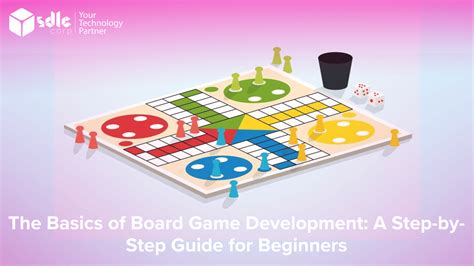
Starting a new game can be exhilarating, but for a beginner, it can also be overwhelming. A well-crafted guide for the first 15 minutes of gameplay is paramount to retaining new players and ensuring an enjoyable experience. It’s not just about mechanics; it’s about setting the stage, building confidence, and piquing interest.
Establishing Core Controls and UI
The very first thing a new player needs to grasp are the fundamental controls. This includes movement, basic interaction (e.g., picking up items, talking to NPCs), and perhaps a primary attack or action. A good guide will clearly lay out the default keybindings or controller mappings, often with visual aids. Don’t assume anything; even seasoned gamers appreciate a quick refresher on unique control schemes.
Equally important is an explanation of the user interface (UI). Point out the health bar, mini-map, quest tracker, and any other crucial on-screen elements. Explain what each icon or number signifies, helping the player understand their current status and objectives without confusion.
First Objectives and Basic Progression
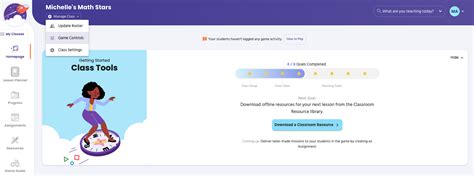
A beginner’s guide should immediately steer players towards their initial objectives. Whether it’s a tutorial mission, a first quest, or simply a goal like ‘reach the village,’ clarifying this early on provides purpose. Explain *how* to track these objectives and *what* the immediate reward or next step will be.
Introduce the concept of basic progression. This might involve collecting a few items, defeating a couple of easy enemies, or completing a simple puzzle. The goal here is to give the player a sense of accomplishment and demonstrate the core gameplay loop in a low-stakes environment. Avoid advanced mechanics or complex narratives at this stage.
Inventory and Character Screen Basics
Even if the game doesn’t heavily feature RPG elements, players will likely interact with an inventory or character screen within their first 15 minutes. A guide should briefly cover how to access these screens and what the most important elements are. For instance, explaining how to equip a weapon, use a healing potion, or view basic character stats is crucial. Keep it concise, focusing only on immediately relevant information.

Essential Settings and Quality of Life Tips
Before deep diving into gameplay, empower players to customize their experience. Highlight where to find key settings like audio volume, display resolution, and sensitivity options. Mentioning frequently adjusted settings can prevent frustration later on. Furthermore, include vital quality-of-life tips, such as how to save the game (if applicable) and what to do if they get stuck.
A quick note on auto-save functions or manual save points can alleviate anxiety about losing progress. Encourage players to experiment with accessibility options if the game offers them, ensuring a comfortable start for all.
Understanding the Game’s Core Premise
While the first 15 minutes aren’t for detailed lore dumps, a beginner’s guide should offer a concise overview of the game’s core premise. What kind of game is it? What’s the general goal? Is it survival, exploration, combat, or storytelling? This context helps players orient themselves within the game world and understand the overarching reason behind their actions.
A brief mention of the game’s genre and key differentiating features can also help set expectations and build excitement. This narrative hook, combined with practical guidance, makes for a compelling initial experience.

Encouraging Exploration and Practice
Finally, a good guide for the first 15 minutes should encourage players to explore and practice what they’ve learned. Remind them that it’s okay to make mistakes and that the initial moments are for familiarization. Offer a few safe zones or tutorial areas where they can freely test controls and mechanics without immediate penalty.
The goal is to foster a sense of curiosity and self-sufficiency, ensuring that once the initial guidance fades, players feel equipped and confident enough to continue their adventure. A smooth onboarding experience can transform a hesitant beginner into a passionate enthusiast.