




How do you craft beginner game guides that simplify complex mechanics for new players?

Understanding the New Player Mindset
New players approaching a complex game often feel overwhelmed. The sheer volume of information, unfamiliar terminology, and intricate systems can be daunting, leading to frustration and early abandonment. A well-crafted beginner game guide doesn’t just explain mechanics; it anticipates confusion, empathizes with the new player’s struggle, and builds a bridge to understanding. The goal isn’t to dump all knowledge at once, but to provide a clear, progressive path to proficiency.
To truly simplify, you must first identify the core challenges. What are the absolute essentials a player needs to know to take their first meaningful action? What common pitfalls do new players encounter? By focusing on these foundational elements, you can create a guide that feels accessible and encouraging, rather than like a textbook.

Breaking Down Complexity into Bite-Sized Chunks
The golden rule for simplifying complex mechanics is ‘chunking.’ Instead of presenting a massive system, break it down into its smallest, most manageable components. Each component should ideally be a single concept or action that a player can grasp and practice before moving to the next. For instance, explaining a crafting system shouldn’t start with advanced recipes; it should begin with how to gather basic materials, then how to combine two simple items, gradually building up.
Use clear headings, bullet points, and numbered lists to structure your information. This visual organization prevents text from appearing as an impenetrable wall of words. Each ‘chunk’ should have a clear purpose and directly address a specific player question or task.
The Power of Analogies and Real-World Examples
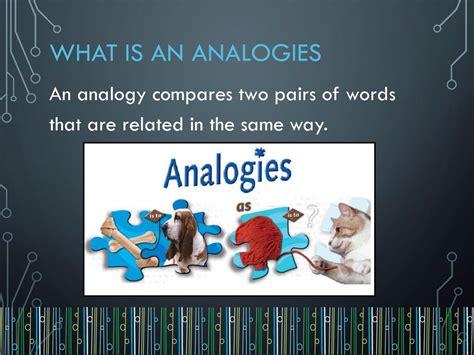
Abstract game mechanics become far more understandable when they can be related to something familiar. Analogies are incredibly powerful tools for bridging this gap. Is a game’s resource management system similar to managing a budget? Is a combat mechanic like a game of rock-paper-scissors with extra steps? Drawing parallels to real-world concepts or simpler game mechanics can instantly provide context and make the abstract concrete.
Beyond analogies, provide specific in-game examples. Don’t just explain ‘aggro management’; describe a scenario where a tank needs to taunt an enemy away from a healer. Show, don’t just tell, by illustrating how a mechanic plays out in practice within the game world.
Leveraging Visuals and Step-by-Step Instruction
A picture is worth a thousand words, especially in game guides. Screenshots, diagrams, and annotated images can clarify concepts that are difficult to convey with text alone. Show the player where to click, what a specific UI element looks like, or the optimal positioning for a particular strategy. Visuals confirm that the player is looking at the right thing and performing the correct action.
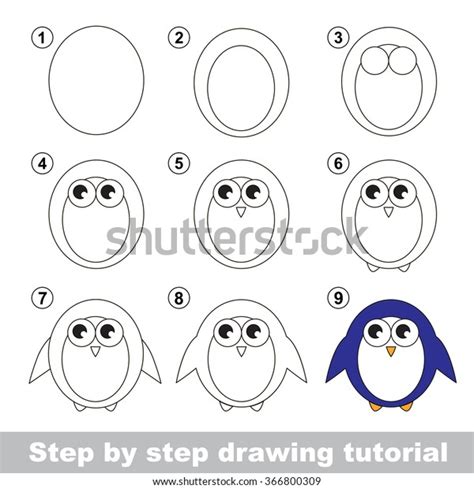
Combine these visuals with clear, step-by-step instructions. For any critical process, outline each precise action the player needs to take, in the correct order. Use action-oriented language and avoid ambiguity. For example: “1. Open your inventory (default key ‘I’). 2. Drag the ‘Wood Plank’ onto the ‘Crafting Table’ icon. 3. Click ‘Confirm Craft’.” This leaves no room for guesswork.
Avoiding Jargon and Fostering Practice
Every game has its own lexicon, but using advanced jargon in a beginner guide is counterproductive. Either avoid technical terms entirely or, if unavoidable, define them clearly and concisely the first time they appear. Explain what ‘DPS’ or ‘crowd control’ means in the context of your game, perhaps with a brief example. Gradually introduce more complex terms as the player’s understanding grows.
Finally, encourage practice. A guide can explain, but true understanding comes from doing. Suggest specific in-game activities or challenges where players can apply what they’ve learned. Reassure them that making mistakes is part of the learning process. A good beginner guide doesn’t just impart knowledge; it empowers the player to experiment and learn on their own.
Conclusion: Empowering the Next Generation of Gamers
Crafting beginner game guides that simplify complex mechanics is an art form. It requires empathy, clarity, and a methodical approach. By breaking down information, using analogies and visuals, and focusing on actionable steps, you can transform intimidating systems into engaging learning experiences. The goal is to build confidence, reduce frustration, and ultimately, help new players discover the joy and depth that complex games have to offer. A well-designed guide doesn’t just teach the game; it cultivates a love for gaming itself, ensuring that new players stick around to explore everything the virtual world has to offer.