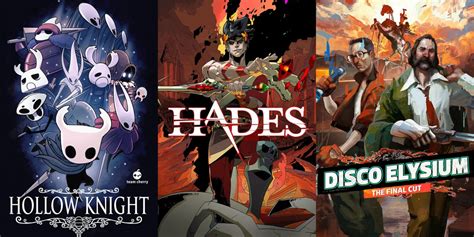




Digital vs. Physical: Which game format is best for your console collection?
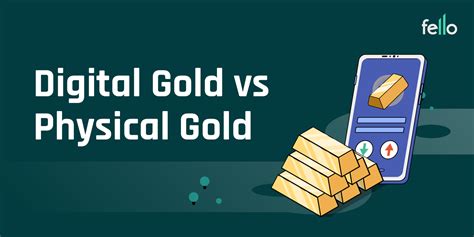
For console gamers, the age-old debate of digital versus physical games continues to spark passionate discussions. With modern consoles offering robust digital storefronts alongside traditional disc drives and cartridge slots, players are faced with a fundamental choice: accumulate a neat, space-saving digital library, or proudly display a shelf full of physical boxes? The “best” format ultimately depends on your priorities, habits, and what you value most in your gaming experience.
The Case for Digital: Convenience at Your Fingertips
Digital games offer unparalleled convenience. Once purchased, they download directly to your console, ready to play without ever needing to swap a disc or cartridge. This means instant access, especially for pre-ordered titles that unlock at midnight, and the ability to switch between games seamlessly from your dashboard. Digital libraries are also incredibly portable – if you upgrade your console, your entire library often transfers over (though some platform restrictions apply), and there’s no physical clutter to manage.
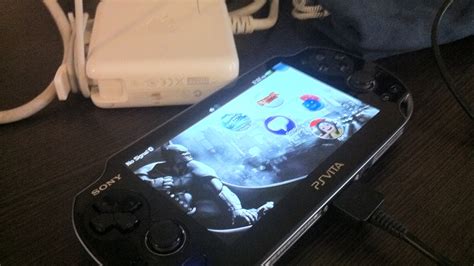
Furthermore, digital storefronts frequently host sales, often providing steep discounts on older titles or bundles. For many, the sheer ease of purchasing and playing a game without leaving the couch makes digital the preferred choice.
The Drawbacks of a Digital-Only Collection
However, the convenience of digital comes with significant trade-offs. The most notable is the lack of true ownership. When you buy a digital game, you’re typically purchasing a license to play it, not the game itself. This means you can’t resell it, lend it to a friend, or trade it in. Your access is tied to your account and the platform’s servers; if a storefront were to shut down or your account was banned, your library could become inaccessible.
Storage is another major consideration. While internal console storage has increased, large digital game files can quickly fill it up, necessitating external hard drives or expensive internal SSD upgrades. Moreover, redownloading games, especially large ones, relies heavily on your internet connection speed and data caps.
Embracing the Physical: Tangibility and True Ownership
Physical games, with their tangible cases and printed artwork, appeal to the collector in many gamers. There’s a certain satisfaction in holding a game box, seeing it on a shelf, and knowing you physically own a piece of that experience. This ownership brings key benefits: you can lend your games to friends, trade them in for credit towards new purchases, or sell them on the secondary market to recoup some of your initial investment. This significantly reduces the long-term cost of gaming for many.
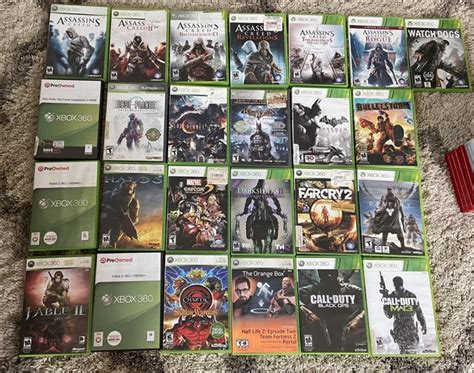
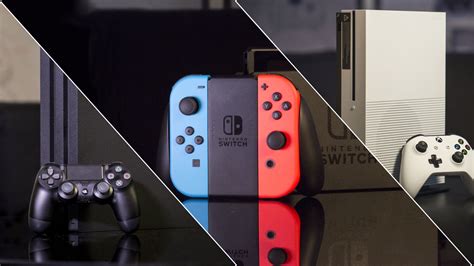
Physical games also don’t consume your console’s internal storage in the same way digital titles do (though most still require an installation to the hard drive, the core license is on the disc/cartridge). For Nintendo Switch owners, cartridges mean no large downloads required for many games, making them ideal for playing on the go without Wi-Fi.
The Challenges of Physical Media
Of course, physical games come with their own set of inconveniences. They take up physical space, leading to clutter if not managed well. Discs can get scratched, lost, or damaged, rendering the game unplayable. Cartridges, while more robust, can also be lost or damaged. Swapping discs or cartridges every time you want to play a different game can become tedious, breaking the flow of a gaming session.
Another point to consider is availability. As digital becomes more dominant, some smaller print runs for physical games can make them harder to find or more expensive on the secondary market if you miss the initial launch. Day-one patches are also a universal reality, meaning even physical games aren’t always truly “complete” out of the box without an internet connection.
The Hybrid Approach: Best of Both Worlds?
For many gamers, the ideal solution isn’t an either/or but a “both/and” approach. A hybrid collection allows you to enjoy the benefits of both formats. You might buy highly anticipated titles digitally for instant access, or snag great deals during digital sales. Simultaneously, you could reserve physical purchases for collector’s editions, games you know you’ll want to resell, or titles you simply want to display proudly.
This strategy offers flexibility, allowing you to prioritize convenience or ownership based on the specific game and your personal preferences. It mitigates some of the downsides of a purely digital or purely physical collection, offering a balanced gaming experience.
Making Your Choice
Ultimately, the best game format for your console collection boils down to personal preference. If convenience, quick access, and a minimalist living space are your top priorities, a digital-heavy library might be for you. If you value true ownership, the ability to resell, collecting tangible items, and don’t mind a bit of physical clutter, then physical games will likely appeal more. Many will find a comfortable middle ground, leveraging the strengths of both formats to build a diverse and satisfying collection.
Consider your gaming habits, budget, available storage, and how much you value the tangibility of your media. There’s no single right answer, only the one that best suits your individual needs as a console gamer.