



What F2P gacha red flags signal predatory monetization tactics?

Free-to-play (F2P) gacha games have become a dominant force in the mobile gaming landscape, offering seemingly endless entertainment without an upfront cost. However, beneath the surface of engaging gameplay and vibrant characters often lie sophisticated monetization strategies. While not all F2P gacha games are inherently predatory, some employ tactics designed to exploit player psychology and wallets. Understanding these red flags is key to enjoying these games responsibly and avoiding financial pitfalls.
The Illusion of “Free”: Understanding Gacha
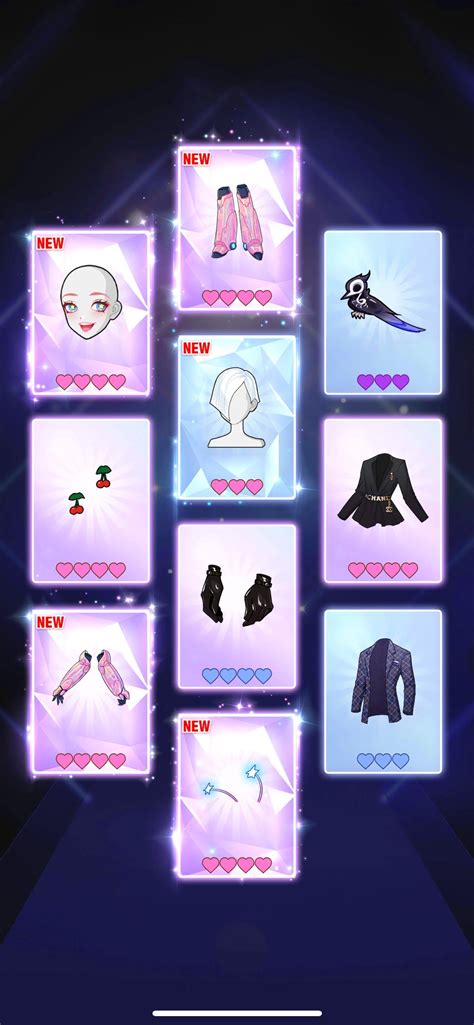
At its core, a gacha game derives its name from Japanese capsule toy machines, where players spend currency to receive a random item. In the gaming context, this typically involves spending premium in-game currency (often purchased with real money) for a chance to acquire rare characters, powerful equipment, or other valuable items. This system, while inherently based on chance, can quickly become problematic when designed to be exploitative rather than supplementary.
Many games start with a generous honeymoon period, offering plenty of free currency and easy progression. This initial generosity can mask the true nature of their monetization, making players feel invested before the squeeze truly begins. When the freebies dry up and progression slows to a crawl, players are more likely to consider spending real money.
Obscure Rates & Manipulative Odds
One of the most glaring red flags is a lack of transparency regarding gacha pull rates. While many regions now mandate the disclosure of probabilities, how this information is presented can still be misleading. Extremely low pull rates for desirable items (e.g., less than 1% for top-tier characters) combined with no “pity timer” or an excessively high one (guaranteeing a rare item only after hundreds of failed pulls) push players to spend more and more for a slim chance of success.
Furthermore, some games employ systems where obtaining duplicates of a character is necessary to “limit break” or significantly power up your existing units. This means even if you get the desired character, you need to pull them multiple times, often multiplying the cost and frustration. This forces players into a never-ending cycle of pulling, not just for new units, but to make existing ones viable.
Aggressive Progression Walls & Energy Systems
Predatory gacha games often design their progression around paywalls. Restrictive energy systems that deplete quickly and recharge slowly are a prime example. This limits gameplay sessions, forcing players to either wait or pay to refill their energy if they wish to continue playing. The game essentially sells you playtime, a fundamental aspect that should be freely accessible.
Another tactic involves content difficulty spikes that make it nearly impossible to progress without specific, rare gacha units. The game essentially tells you, “You can’t win unless you pull X character,” effectively turning essential gameplay into a casino. This transforms a fun challenge into a frustrating roadblock designed solely to push spending, rather than encouraging strategic play or grind.

Psychological Hooks: FOMO and False Value
Fear of Missing Out (FOMO) is a powerful psychological tool heavily leveraged by predatory gacha. Limited-time banners for powerful or fan-favorite characters create intense pressure to pull before they’re gone forever. These banners often coincide with crucial game content, making players feel like they’ll fall behind if they don’t participate, even if it means spending beyond their means.
Deceptive pricing and “sales” are also common. Bundles advertised as “800% value!” often compare their contents to the highly inflated base price of individual items, making the “discount” seem much more significant than it truly is. These games frequently target “whales” – a small percentage of players who spend enormous amounts of money – by offering ultra-expensive, highly appealing bundles or exclusive benefits for top spenders, fueling a race to the top of leaderboards.

Aggressive UI & Lack of Transparency
If a game constantly bombards you with pop-ups, notifications, and flashing icons urging you to spend money, it’s a major red flag. Aggressive user interface (UI) design that prioritizes monetization over user experience can indicate a developer more interested in extracting money than fostering genuine engagement. These intrusive prompts interrupt gameplay and can make the experience feel less like a game and more like an interactive advertisement.
Finally, a lack of transparent communication from developers regarding game balance, future content, or changes to monetization policies can signal underlying issues. When developers are cagey or dismissive of player feedback concerning predatory practices, it often means they are aware of the problem and have no intention of changing course. Poor customer service for non-spenders or those with billing issues further solidifies a predatory stance.

Conclusion: Play Smart, Not Exploited
While F2P gacha games can offer immense enjoyment, it’s vital for players to recognize the signs of predatory monetization. By being aware of obscure rates, restrictive progression, psychological manipulation, and aggressive UI tactics, you can make informed decisions about your time and money. Play for fun, not out of compulsion, and always remember that your enjoyment should never come at the cost of your financial well-being. Supporting ethical developers who respect their player base is the best way to encourage healthier monetization practices across the industry.