




How can how-to guides introduce core game loops to new players without jargon?

Cracking the Code: Making Core Loops Accessible
The first few minutes a new player spends in a game are critical. It’s where they form their initial impressions, grasp fundamental mechanics, and decide if they want to invest more time. Central to this experience is understanding the “core game loop”—the repeatable sequence of actions players perform to progress and engage. The challenge for how-to guides is to introduce these essential loops without overwhelming newcomers with specialized terminology. This article explores effective strategies for achieving jargon-free, intuitive onboarding.

What Exactly is a Core Game Loop?
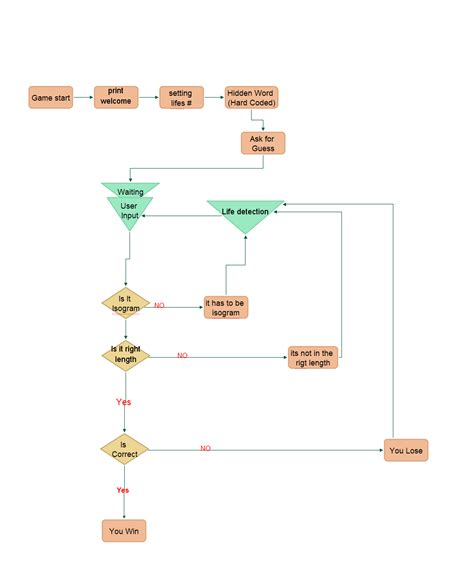
Simply put, a core game loop is the primary cycle of activities players repeatedly engage in. Think of it as the game’s heartbeat. In a role-playing game, it might be: explore -> fight -> loot -> upgrade -> repeat. In a building game: gather resources -> craft -> build -> expand -> repeat. It’s the foundational rhythm that drives player interaction and progression. For new players, understanding this rhythm is key to finding enjoyment and purpose.
The Pitfalls of Jargon
Gaming communities are rich with specific terms—DPS, aggro, cooldown, grind, meta, min-maxing. While these terms are efficient for experienced players, they can be an impenetrable wall for newcomers. A how-to guide that relies on such language instantly alienates its target audience, making the game feel complex, exclusive, and uninviting. The goal is to communicate clearly, not to test a player’s knowledge of obscure terminology.
Strategies for Jargon-Free Onboarding
1. Show, Don’t Tell with Visuals and Interaction
Instead of explaining what “aggro management” is, create a scenario where a player must draw enemy attention away from a weaker ally. Visual cues, animations, and sound effects can convey concepts far more effectively than a wall of text. Interactive tutorials that guide players through the first few cycles of the core loop, showing them the actions and immediate reactions, are invaluable. Let them experience the loop firsthand.

2. Use Analogies and Real-World Metaphors
Relate game mechanics to concepts players already understand. For instance, explaining a crafting system could be like “baking a cake – you need ingredients, a recipe, and a baking station.” A resource management system might be akin to “managing a budget, where you have income and expenses.” These comparisons bridge the gap between abstract game rules and familiar experiences, making learning intuitive.
3. Progressive Revelation: Introduce Gradually
Don’t dump all information at once. Introduce elements of the core loop one step at a time, building complexity as the player masters each part. Start with the most basic action, then introduce the reaction, then the reward, and finally the decision-making that leads back to the start. This allows players to build a mental model of the game without feeling overwhelmed.

4. Contextual Learning and Immediate Feedback
Explain mechanics precisely when they are relevant. If a new type of enemy appears, that’s the time to introduce strategies for defeating it, not 20 minutes earlier in a generic tips section. Provide immediate and clear feedback for every action. Did a player successfully complete a part of the loop? Reward them visually or with a simple confirmation message. This reinforces learning and confirms understanding.
5. Plain Language and Consistent Terminology
When text is necessary, use simple, direct English. Avoid overly complex sentence structures. Crucially, stick to a consistent, easy-to-understand term for each concept. If you call an enemy a “grunt” initially, don’t suddenly switch to “mob” or “foe” without clear reason. Clarity and consistency build trust and reduce confusion.

Conclusion: Empowering New Explorers
Effective how-to guides don’t just explain mechanics; they empower new players to become confident explorers of your game world. By prioritizing clarity, employing visual and interactive learning, using relatable analogies, and progressively revealing information without relying on jargon, developers and guide creators can transform the daunting initial hours into an engaging and rewarding introduction. The goal is to make the core game loop feel like an intuitive dance, not a complex puzzle, fostering a deeper, more lasting player connection.