




How do I choose age-appropriate video games for my child?

In today’s digital age, video games are an integral part of many children’s lives. While they offer entertainment, educational benefits, and opportunities for social connection, the sheer volume and variety of games can make choosing the right ones a daunting task for parents. How do you ensure your child is engaging with content that’s not only fun but also suitable for their age and developmental stage?
Understanding Game Rating Systems
The first and most crucial step is to familiarize yourself with official video game rating systems. These systems are designed to provide parents with objective information about game content.
ESRB (Entertainment Software Rating Board) – North America
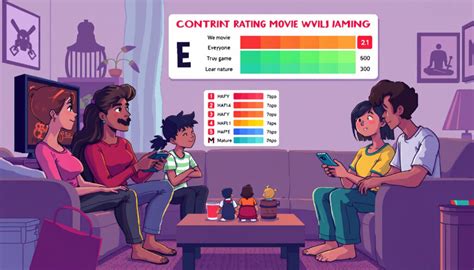
The ESRB provides ratings like EC (Early Childhood), E (Everyone), E10+ (Everyone 10+), T (Teen), M (Mature), and AO (Adults Only). Crucially, it also includes content descriptors that detail specific elements such as “Fantasy Violence,” “Mild Language,” “Blood,” “Sexual Themes,” or “Use of Alcohol.” Always check both the rating category and the content descriptors.
PEGI (Pan European Game Information) – Europe and Beyond
Similar to ESRB, PEGI uses age ratings (3, 7, 12, 16, 18) and content descriptors like “Violence,” “Bad Language,” “Fear,” “Sex,” “Drugs,” “Gambling,” “Discrimination,” and “Online Gameplay.” Understanding these icons is vital for parents in regions where PEGI is used.

Beyond the Ratings: Know Your Child
While rating systems are excellent guidelines, they are not a substitute for knowing your own child. A game rated E10+ might be fine for one 10-year-old but too intense for another, depending on their individual maturity, sensitivities, and life experiences.
- Consider Maturity: Does your child get easily scared? Are they prone to imitating aggressive behaviors? Their emotional and psychological development plays a significant role in how they process game content.
- Gauge Interests: What genres do they enjoy? Some children gravitate towards puzzles, others towards sports, and some towards fantasy adventures. Aligning choices with their genuine interests can make gaming a more positive experience.
- Talk to Them: Engage your child in conversations about the games they are interested in. Ask them why they want to play a certain game and what they expect from it. This opens a dialogue and helps you understand their perspective.

Play Together and Discuss
One of the most effective ways to understand a game’s content and its impact on your child is to play it with them. This allows you to observe their reactions firsthand and provides an excellent opportunity for discussion.
- Co-Play: Join in on their gaming sessions. Not only does this offer valuable insights, but it can also be a wonderful bonding experience.
- Open Communication: Talk about what’s happening in the game. Ask questions like, “Why did that character do that?” or “How does that make you feel?” This encourages critical thinking and helps children process complex themes.
- Model Good Behavior: Show them how to manage frustration, celebrate successes, and practice good sportsmanship.

Set Clear Rules and Limits
Choosing age-appropriate games also involves establishing clear boundaries around gaming habits.
- Screen Time: Determine reasonable daily or weekly screen time limits that balance gaming with other activities like homework, outdoor play, and family time.
- Content Types: Be explicit about which types of games are off-limits and why.
- Online Interactions: If a game has online multiplayer features, discuss online safety, privacy, and appropriate communication with strangers.
- Parental Controls: Utilize the parental control features available on gaming consoles, PCs, and mobile devices. These tools can restrict access to certain ratings, limit play time, and manage online purchases.

Leverage Online Resources and Reviews
Don’t hesitate to do a little research before a purchase. Many websites offer detailed reviews of games from a parental perspective.
- Review Sites: Websites like Common Sense Media provide comprehensive reviews that focus on educational value, violence, language, and other concerns for children of different ages.
- Gameplay Videos: Watch gameplay videos on platforms like YouTube. This allows you to preview the actual content, graphics, and gameplay style before your child plays it.
- Ask Other Parents: Consult with other parents who have children of similar ages for recommendations and insights.

Choosing age-appropriate video games for your child is an ongoing process that requires active parental involvement. By understanding rating systems, considering your child’s unique needs, engaging in shared play, setting clear boundaries, and utilizing available resources, you can guide your child towards gaming experiences that are positive, enriching, and safe.