




Best way to free up Switch storage for new indie games?

The Nintendo Switch, a beloved hybrid console, has introduced countless players to incredible gaming experiences, especially in the vibrant world of indie games. However, with its relatively limited internal storage (32GB for the original and Lite, 64GB for the OLED model), it doesn’t take long for that space to fill up, leaving you unable to download the latest digital delights. If you’re constantly hitting that “not enough space” wall, don’t worry – freeing up storage is easier than you think, and crucial for keeping your indie game library growing.
Identify Your Storage Hogs
The first step to reclaiming precious space is understanding what’s consuming it. Navigate to your Switch’s Home menu, then select System Settings (the gear icon) > Data Management. Here, you’ll find a breakdown of how your storage is being used, including game data, downloadable content, save data, and screenshots/videos. Games, especially larger titles and digital-only purchases, are typically the biggest culprits.
Archiving vs. Deleting Software
The Switch offers two primary ways to remove game data: archiving and deleting. It’s important to understand the difference:
- Archive Software: This option removes the game’s main data but keeps its icon on your Home menu and, critically, preserves all your save data. If you decide to play the game again, you can redownload it from the eShop or your game list, and pick up right where you left off. This is ideal for games you might want to revisit but aren’t actively playing.
- Delete Software: This option completely removes the game data, its icon, and all associated save data. Only use this for games you are absolutely certain you will never play again or for games where save data isn’t important to you. Most players should opt for archiving to avoid losing progress.
To archive or delete, go to your Home menu, highlight the game you wish to manage, press the ‘+’ or ‘-‘ button, then select “Manage Software” and choose “Archive Software” or “Delete Software.” You can also do this from the Data Management menu by selecting “Manage Software” and choosing titles from there.
Manage Screenshots and Videos
Every time you press the capture button, a screenshot or video clip is saved. Over time, these can accumulate, especially if you’re an avid in-game photographer or videographer. While individual captures are small, hundreds or thousands can add up.
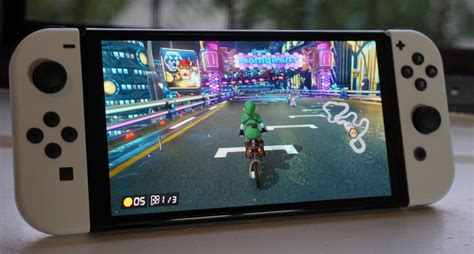
From the Home menu, select the Album icon. Here, you can review your captures. To delete, select a capture, press ‘A’, then ‘Delete’. You can delete multiple at once by pressing ‘Y’ to select several, then ‘X’ to delete them all. For larger clips, consider offloading them to a microSD card or social media if you want to keep them but not on your internal storage.
The Essential Upgrade: A microSD Card
For most serious Switch gamers, especially those who love digital indie titles, a microSD card is not just recommended – it’s essential. The Switch supports microSD, microSDHC, and microSDXC cards up to a massive 2TB (though 256GB, 512GB, or 1TB are more common and practical choices). Installing a high-capacity microSD card dramatically expands your storage, allowing you to download dozens, if not hundreds, of games without constantly managing space.

How to Use a microSD Card
Simply insert a compatible microSD card into the slot located under the kickstand of your Switch. Once inserted, new downloads will automatically save to the microSD card. You can also transfer existing software data from your internal memory to the microSD card:
- Go to System Settings > Data Management > Move Data Between System / microSD Card.
- Select “Move to microSD Card.”
- Choose the software you wish to move and confirm.
This is a game-changer for digital libraries. Always opt for reputable brands and aim for a UHS-I (Ultra High Speed Phase I) compatible card with a reading speed of 60 to 95 MB/s for optimal performance.
Consider Physical Cartridges

While this might not be ideal for every indie game (many are digital-only), for titles available physically, purchasing the cartridge can save significant internal storage space. Most of the game’s data resides on the cartridge itself, with only smaller updates and save data stored internally. This is a great way to enjoy larger AAA titles or popular indies without impacting your digital download space.
Conclusion: Keep Your Indie Library Thriving
Running out of space on your Nintendo Switch is a common frustration, but it’s easily solvable. By regularly archiving games you’re not currently playing, deleting unnecessary screenshots, and most importantly, investing in a high-capacity microSD card, you can ensure your Switch always has room for the next fantastic indie adventure. Prioritize archiving over deleting to safeguard your precious save data, and enjoy a seamless gaming experience without constant storage woes.