



What red flags signal an indie “hidden gem” is actually an unfinished game?
The allure of indie games is undeniable. They offer fresh perspectives, innovative mechanics, and often tell stories that AAA titles wouldn’t dare. The hunt for that elusive ‘hidden gem’ — a diamond in the rough overlooked by the masses — is a core part of the indie gaming experience. However, this vibrant landscape also harbors a darker side: games that masquerade as charmingly unpolished or ‘early access’ but are, in reality, unfinished, abandoned, or simply poorly made projects.
The Allure and the Trap
It’s easy to fall in love with the idea of a developer pouring their heart into a passion project. We forgive minor bugs, accept a simpler art style, and celebrate experimental gameplay. But there’s a fine line between a quirky, niche title and a game released prematurely, lacking essential content, or riddled with game-breaking issues. Identifying these red flags can save you time, money, and most importantly, your enthusiasm for genuine indie innovation.

Technical Glitches and Lack of Polish
One of the most immediate indicators of an unfinished game is its technical state. While some bugs are expected in any release, frequent crashes, severe performance issues (even on capable hardware), or persistent graphical glitches point to a lack of proper quality assurance. This isn’t just about minor visual hiccups; it’s about the game feeling unstable and unoptimized.
Beyond bugs, a general lack of polish can be telling. This includes placeholder assets that stick out like a sore thumb, unrefined animations that look stiff or janky, inconsistent art styles across different game elements, or a general feeling that UI elements were thrown together without thought for user experience.
Shallow Gameplay Loop and Missing Features
A truly unfinished game often reveals its incompleteness through its core gameplay. If the initial hours are engaging but quickly devolve into repetitive, grind-heavy mechanics with no real progression, depth, or meaningful variations, it’s a warning sign. The ‘core loop’ might be functional, but everything built around it feels hollow or non-existent.
Similarly, look out for features that are clearly promised in marketing materials or hinted at in-game but are absent, rudimentary, or clearly not fully implemented. This could be a crafting system with only a handful of recipes, a skill tree with few impactful choices, or entire game modes that are locked or broken.

Poor User Interface and User Experience (UI/UX)
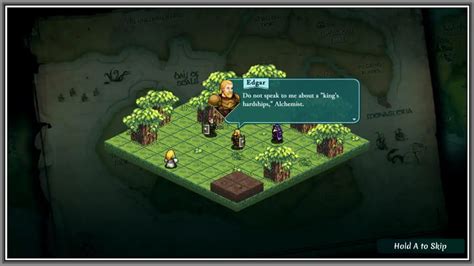
Even the most brilliant game mechanics can be ruined by a clunky, unintuitive user interface. Unfinished games often suffer from confusing menus, unresponsive controls, convoluted inventory systems, or a complete lack of crucial accessibility options. If navigating the game feels like a chore, it detracts significantly from the experience.
Further UX issues might include an inadequate tutorial system that leaves players bewildered, unexplained mechanics, or frustrating navigation within game environments. A well-designed UI/UX is often a sign of careful planning and refinement, aspects frequently missing in rushed or incomplete projects.
Community Silence and Developer Absence
The indie scene thrives on community engagement. If a game has been out for some time but its forums are dead, its Discord server is inactive, or its social media presence is minimal, it’s a significant red flag. Active developers usually interact with their player base, address concerns, and provide updates.
Long periods without patches, bug fixes, or any communication post-launch are particularly concerning. While small teams can’t update daily, complete radio silence suggests the project might have been abandoned, or the developers have moved on without properly supporting their existing player base.

Vague Roadmaps and Over-Promising
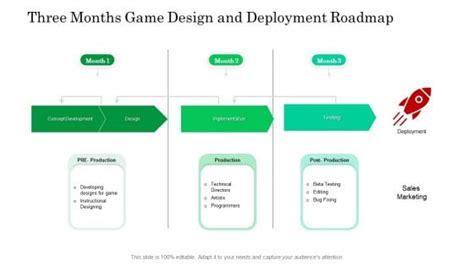
Marketing is crucial for indies, but watch out for games that promise the moon without showing concrete evidence of how they’ll deliver. Highly ambitious roadmaps for small teams, especially ones without clear timelines or demonstrable progress, can be a sign of over-promising or a lack of realistic planning.
If the game’s description or promotional materials sound too good to be true, or rely heavily on buzzwords without showcasing actual gameplay or mechanics, proceed with caution. Genuine developers are usually eager to show off what they’ve built, not just what they plan to build.
Review Scrutiny and External Indicators
Don’t just look at the overall review score. Dive into mixed and negative reviews on platforms like Steam. Are common complaints about specific bugs, lack of content, or poor design? Are there recurring themes about the game being ’empty’ or ‘repetitive’? Look for detailed reviews that provide examples rather than just emotional outbursts.
Watching gameplay videos and streams can be incredibly insightful. Observe how streamers interact with the game, if they encounter frequent issues, or if they quickly run out of things to do. Pay attention to reported playtimes in reviews – very short average playtimes for a game pitched as expansive can be a huge red flag.
The Discerning Gamer’s Approach
Finding true indie gems requires patience, research, and a critical eye. Distinguish between a genuinely innovative but rough-around-the-edges passion project and a project that is simply incomplete. Support developers who communicate openly, deliver on their promises, and treat their players with respect.
By learning to spot these red flags, you can navigate the exciting world of indie games more effectively, avoid disappointment, and truly appreciate the hidden gems that deserve your attention, while sidestepping those that are merely unfinished business.