



How to choose age-appropriate games using ESRB ratings effectively?
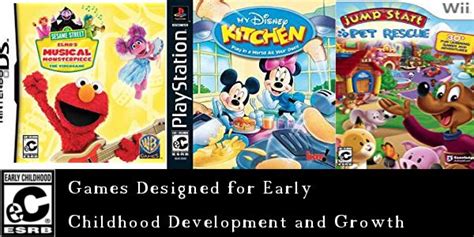
In today’s digital age, video games are a ubiquitous form of entertainment for children and teens. While games offer numerous benefits, from enhancing problem-solving skills to fostering creativity, parents often face the challenge of ensuring the content is appropriate for their child’s age. This is where the Entertainment Software Rating Board (ESRB) ratings come in, providing an invaluable tool for informed decision-making.
Understanding the ESRB Rating System
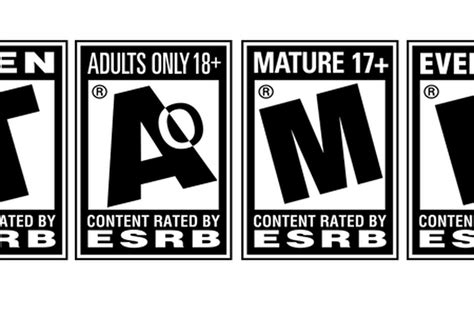
The ESRB assigns ratings to video games and apps, helping consumers — especially parents — make educated choices. These ratings are typically displayed prominently on game packaging and digital storefronts. Familiarizing yourself with these core categories is the first step:
- E (Everyone): Content is generally suitable for all ages. May contain minimal cartoon, fantasy or mild violence and/or infrequent mild language.
- E10+ (Everyone 10+): Content is generally suitable for ages 10 and up. May contain more cartoon, fantasy or mild violence, mild language, and/or minimal suggestive themes.
- T (Teen): Content is generally suitable for ages 13 and up. May contain violence, suggestive themes, crude humor, minimal blood, simulated gambling, and/or infrequent use of strong language.
- M (Mature): Content is generally suitable for ages 17 and up. May contain intense violence, blood and gore, sexual content, and/or strong language.
- AO (Adults Only 18+): Content suitable only for adults ages 18 and up. May include prolonged scenes of intense violence, graphic sexual content, and/or gambling with real currency.
Deciphering Content Descriptors
Beyond the age rating, ESRB provides specific “Content Descriptors” that give parents more detailed information about why a game received its particular rating. These descriptors appear on the back of physical game boxes and on digital product pages.
Examples of common content descriptors include:
- Animated Blood / Blood / Blood and Gore: Indicates the depiction of blood or gore.
- Crude Humor: Contains some suggestive or rude comedic content.
- Fantasy Violence / Mild Violence / Violence: Describes the nature and intensity of violent acts.
- Language / Strong Language / Sexual Language: Indicates the presence and severity of profanity.
- Suggestive Themes / Sexual Themes / Sexual Content: Points to the presence of suggestive dialogue, partial nudity, or explicit sexual content.
- Use of Alcohol / Tobacco / Drugs: Indicates depiction or use of these substances.
- Gambling / Simulated Gambling: Refers to gambling mechanics or depictions.
Reading these descriptors is crucial. A game rated ‘T’ for Teen might contain fantasy violence, while another ‘T’ game could have strong language or suggestive themes. Knowing the specific content helps you decide if it aligns with your family’s values and your child’s sensitivity.

Interactive Elements: What Parents Should Know
The ESRB also highlights “Interactive Elements” that flag additional features within a game that might concern parents, especially regarding online interaction or monetary transactions. These include:
- Users Interact: The game allows players to communicate and interact with each other online, which could expose children to unfiltered conversations.
- In-Game Purchases: The game offers content for purchase with real-world money, such as bonus levels, characters, cosmetic items, or loot boxes.
- Shares Location: The game can share a user’s geographical location with other users.
- Unrestricted Internet Access: The game or app contains a browser or other method for accessing the internet, providing unrestricted access to content outside the application.
These elements are particularly important in an increasingly online gaming world, helping parents manage spending and protect their children from potentially inappropriate online interactions.

Beyond the Rating: Parental Involvement is Key
While ESRB ratings are an excellent guide, they are not a substitute for active parental involvement. No rating system can perfectly account for every child’s individual maturity level or every family’s unique values. Here’s how to go a step further:
- Know Your Child: Understand what your child is ready for. A 10-year-old might handle an E10+ game with mild fantasy violence, while another might be more sensitive.
- Research Gameplay: Watch trailers, read reviews, or even watch gameplay videos on platforms like YouTube to get a sense of the actual content and tone of the game.
- Play Together: When possible, play games with your child. This gives you direct insight into the content and allows you to discuss any issues that arise.
- Open Communication: Talk to your children about the games they want to play, why certain games might not be appropriate, and the importance of online safety.

Tips for Effective Game Selection
To summarize, here are practical tips for using ESRB ratings effectively:
- Always Check the Rating: Make it a habit to look for the ESRB rating and content descriptors on every game your child expresses interest in.
- Understand the Descriptors: Don’t just look at the age letter; read the content descriptors to understand the specific elements that led to that rating.
- Consider Interactive Elements: Pay attention to warnings about in-game purchases and user interaction, especially if your child plays online multiplayer games.
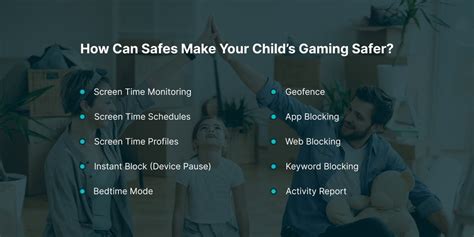
- Utilize Parental Controls: Most gaming consoles, operating systems, and digital storefronts offer robust parental control features that allow you to restrict games by ESRB rating, manage screen time, and limit spending.
- Stay Informed: The gaming landscape is constantly evolving. Periodically review new game releases and update your understanding of ratings and content.
By effectively using ESRB ratings in conjunction with active parental involvement and open communication, you can confidently navigate the world of video games, ensuring your children have access to entertainment that is both engaging and age-appropriate.