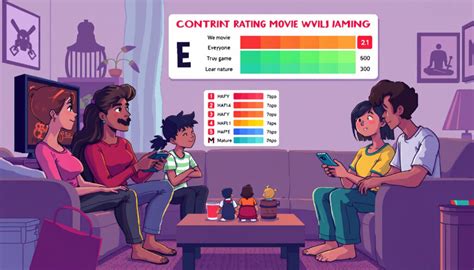





How to use parental controls for safe gaming & manage kids’ screen time?

In today’s digital age, video games and online content are integral parts of many children’s lives. While these platforms offer entertainment and educational opportunities, they also present challenges regarding safety and excessive screen time. Mastering parental controls and implementing effective screen time management strategies are crucial for creating a healthy digital environment for your kids.
Understanding the Need for Parental Controls
Parental controls aren’t about restricting fun; they’re about ensuring safety and fostering healthy habits. The online world can expose children to inappropriate content, online predators, cyberbullying, and the risks of excessive spending on in-game purchases. By setting up proper controls, parents can mitigate these risks and guide their children towards responsible digital citizenship.

Setting Up Parental Controls for Safe Gaming
1. Utilize Console and Platform-Specific Settings
Most modern gaming consoles (PlayStation, Xbox, Nintendo Switch) and PC gaming platforms (Steam, Epic Games) offer built-in parental control features. These usually include:
- Age Restrictions: Block games based on their rating (e.g., ESRB, PEGI), preventing access to mature content.
- Communication Limits: Restrict who your child can communicate with online, or disable in-game chat features entirely.
- Privacy Settings: Control who can view your child’s profile, activity, and friend list.
2. Manage In-Game Purchases
Many games offer microtransactions, loot boxes, and downloadable content (DLC) that can quickly add up. Parental controls allow you to:
- Require Passwords: Mandate a password for every purchase, or for purchases exceeding a certain amount.
- Disable Purchases: Turn off the ability to make any in-game purchases.
- Set Spending Limits: Define a maximum amount that can be spent within a given period.

Effective Strategies for Managing Screen Time
Managing screen time goes beyond just turning off devices. It involves a holistic approach that considers age, development, and family values.
1. Set Clear Boundaries and Schedules
Consistency is key. Establish clear rules about when and for how long screens can be used. Consider:
- Daily Limits: Assign a specific amount of screen time per day, perhaps increasing on weekends.
- No-Screen Zones/Times: Designate times (e.g., during meals, an hour before bedtime) and places (e.g., bedrooms overnight) where screens are prohibited.
- Reward System: Link screen time to completed chores or homework.
2. Utilize Device and App Management Tools
Smartphones, tablets, and even smart TVs come with built-in tools to help manage screen time:
- iOS Screen Time / Android Digital Wellbeing: These features allow you to monitor usage, set app limits, schedule downtime, and block content.
- Router-Level Controls: Some home routers offer parental control features to block websites or schedule internet access for specific devices.
- Third-Party Apps: Various apps are designed to provide comprehensive screen time management across multiple devices.

3. Create a Family Media Plan
A family media plan involves the whole family in setting guidelines for screen use. Discuss and agree upon:
- Screen time limits and schedules.
- Appropriate content for different ages.
- The balance between screen time and other activities (e.g., reading, outdoor play, family time).
- Online etiquette and safety rules.
Review this plan regularly as children grow and technology evolves.

Beyond Controls: Communication and Balance
While technical controls are essential, they are just one part of digital parenting. Open communication and leading by example are equally vital.
- Talk to Your Kids: Explain why rules are in place. Discuss online safety, cyberbullying, and appropriate online behavior. Listen to their concerns and interests regarding games and online content.
- Lead by Example: Children learn from observation. Model responsible screen use yourself. Put down your phone during family time and engage in non-screen activities.
- Encourage Other Activities: Ensure your children have plenty of opportunities for physical activity, creative play, reading, and social interaction outside of screens. Balance is key to healthy development.

Conclusion
Navigating the digital landscape with children requires a proactive and balanced approach. By effectively utilizing parental controls, establishing clear screen time boundaries, and fostering open communication, you can create a safe, educational, and enjoyable digital experience for your kids while nurturing their overall well-being. Remember, the goal is not to eliminate screens but to integrate them responsibly into a healthy family life.