



How should beginner game guides prioritize info to prevent new players from quitting?

The first few hours with a new game are crucial. Many players, especially beginners, quit prematurely not because a game is bad, but because they feel overwhelmed, confused, or unengaged. A well-crafted beginner’s guide is essential for player retention, but its effectiveness hinges entirely on how information is prioritized. It’s a delicate balance of providing enough context without drowning newcomers in details they don’t yet need.
The Critical First Hour: What’s Absolutely Essential?
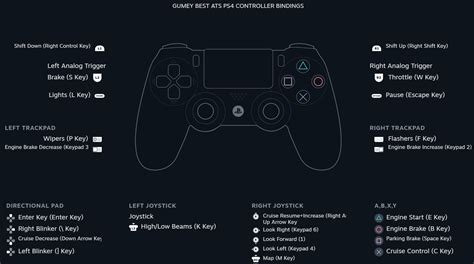
New players need to know how to move, interact with the world, and understand their immediate objectives. Guides should start with the absolute fundamentals: core movement controls, basic interface elements (like health bars or quest logs), and the most basic combat or interaction loop. This foundational knowledge allows them to navigate and engage without constant frustration. Resist the urge to explain every single UI element or advanced combat combo right out of the gate.
Focus on answering the question: “What do I *immediately* need to do to play this game?” This often means explaining the first quest, the initial area’s purpose, or the primary interaction mechanic. Giving them a clear, small goal and the tools to achieve it is paramount.
Progressive Disclosure: Avoid Information Overload
One of the biggest pitfalls for beginner guides is information dumping. Developers and experienced players often forget how much they’ve learned over time. A good guide practices progressive disclosure, introducing concepts only as they become relevant. Think of it like a tutorial that unlocks features or explanations as the player progresses through introductory content.
Complex systems like crafting, advanced skill trees, or intricate economy mechanics should be mentioned briefly as future possibilities, but detailed explanations should be reserved for later sections or even separate, more advanced guides. The goal is to build understanding layer by layer, preventing cognitive overload and maintaining a sense of mastery, even if it’s over simple tasks.
Focus on “Why” Over Just “How”
Simply telling a player “press X to jump” is functional, but explaining *why* jumping is useful (e.g., to cross gaps, evade attacks, reach higher platforms) adds context and meaning. Understanding the purpose behind an action makes it more intuitive and memorable. Guides should explain the impact of player choices and actions, even simple ones.
For instance, instead of just listing stats, explain what each stat *does* for the player’s character and how it influences their gameplay experience. This helps new players make informed decisions and connects their actions to tangible in-game consequences, fostering deeper engagement.
Highlight Early Wins and Maintain Motivation
New players need to feel a sense of accomplishment early on. A guide should subtly (or overtly) celebrate small victories and encourage continued play. This might involve highlighting how to complete the first quest successfully, defeat an initial enemy, or acquire a useful starting item. These early wins build confidence and provide positive reinforcement, making the player more likely to continue exploring the game.
The tone of the guide is also important. It should be encouraging, supportive, and empathetic to the new player’s potential struggles, rather than assuming prior knowledge or being overly critical. Keep the language clear, concise, and inspiring.
Practical Guide Structure: From Core to Advanced
A well-structured guide helps players find information when they need it. A logical flow might look something like this:
- Getting Started: Controls, UI basics, initial goals.
- Core Gameplay Loop: Basic combat/interaction, questing, resource gathering.
- Progression: Character leveling, skill trees, basic gear.
- Economy & Crafting: Simple explanations, how to get first currency/items.
- Advanced Concepts: End-game, complex systems, social features (if applicable).
Each section should build upon the last, offering increasingly detailed information. Hyperlinks or clear navigation within digital guides can also help players jump to specific topics without having to read everything linearly.
Leveraging External Resources and Community
No single guide can cover every single nuance of a complex game. Once the player has a solid foundation, a good guide can point them towards deeper resources. This includes official wikis, community forums, reputable fan sites, and even content creators. Empowering players to seek further information on their own terms fosters independence and integrates them into the broader game community.
Ultimately, a beginner game guide’s primary mission is to get new players past the initial learning curve and into the fun part of the game. By prioritizing essential information, progressively disclosing complexity, explaining the ‘why’, and celebrating early successes, guides can significantly reduce new player attrition and transform hesitant beginners into long-term enthusiasts.