



Best Switch storage strategy: SD card vs. internal for speed & game library?

Why Your Nintendo Switch Needs a Smart Storage Strategy
The Nintendo Switch, a beloved hybrid console, offers an ever-expanding library of captivating games. However, with its relatively modest 32GB (or 64GB for the OLED model) of internal storage, many players quickly find themselves grappling with storage limitations. This prompts a crucial question: What’s the best approach to managing your game library, balancing speed, accessibility, and cost between the Switch’s internal memory and external SD cards?

Internal Storage: The Speed Advantage
The Nintendo Switch’s internal NAND storage is generally the fastest option available for your games. While Nintendo doesn’t publish exact read/write speeds, empirical tests by enthusiasts and tech sites consistently show that games installed directly to the internal memory tend to load marginally faster than those on even the quickest microSD cards. This speed difference is often in the realm of a few seconds, but for competitive games or those with frequent loading screens, every second counts.
Think of the internal storage as your ‘premium’ space. It’s ideal for your most frequently played games, titles where load times are critical (e.g., competitive online games, open-world adventures), or games with smaller file sizes that won’t monopolize too much space.
SD Cards: The Capacity King
MicroSD cards are indispensable for any serious Switch owner. With cards available in capacities ranging from 64GB all the way up to 1TB (and potentially higher in the future), they offer a cost-effective way to massively expand your game library. The Switch supports UHS-I microSD cards, and while UHS-II cards will physically fit, the console’s reader only utilizes the UHS-I interface, meaning you won’t get the full speed benefits of a UHS-II card.
Choosing the Right SD Card:
- Speed Class: Look for cards with a ‘U3’ rating (or ‘V30’ for video speed class). These indicate a minimum sequential write speed of 30 MB/s, which is excellent for game downloads and general performance on the Switch.
- Brand: Stick to reputable brands like SanDisk, Samsung, or Lexar to ensure reliability and advertised speeds.
- Capacity: A 128GB or 256GB card is a good starting point for most users, offering plenty of room without breaking the bank. For large digital libraries, 512GB or 1TB cards are becoming increasingly popular.

The Hybrid Approach: Your Best Strategy
For most players, the optimal strategy involves a combination of both internal storage and an SD card. Here’s how to make the most of each:
- Prioritize Internal Storage for Key Titles: Install your most-played games, especially those with demanding loading sequences or where a few seconds saved can make a difference, directly onto the Switch’s internal memory.
- Utilize the SD Card for the Bulk of Your Library: All other digital games, especially larger titles or those you play less frequently, should reside on your microSD card. This allows you to build an extensive digital library without constantly deleting and redownloading games.
- Physical Games and Updates: Remember that physical game cartridges still require space on your internal memory or SD card for updates, DLC, and save data. If you primarily buy physical, a smaller SD card might suffice, but you’ll still need one for digital-only titles and large patches.
Managing Your Game Library
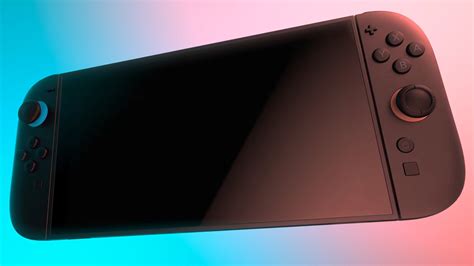
The Switch makes it easy to move games between internal storage and an SD card. Go to System Settings > Data Management > Move Data Between System / microSD Card. This flexibility allows you to optimize your storage as your gaming habits change. For instance, if a new favorite game emerges, you can easily shift it to internal storage for that slight speed boost.

Conclusion: Optimize for Your Playstyle
There’s no single ‘best’ storage strategy for everyone; it ultimately depends on your individual playstyle. If you primarily play a handful of games, lean on internal storage for those. If you have a vast digital collection, a high-capacity, fast SD card is non-negotiable. By understanding the strengths of both internal memory and microSD cards, you can craft a storage solution that keeps your Nintendo Switch running smoothly and your entire game library accessible.
Invest in a quality U3/V30 microSD card from a reputable brand, and intelligently manage your game installations to ensure your Switch experience is as seamless and enjoyable as possible.