



Beyond ESRB, how to choose truly age-appropriate video games for kids?

The world of video games can be an exciting, educational, and engaging space for children. However, navigating this vast digital landscape to find truly age-appropriate content is a challenge many parents face. While rating systems like the Entertainment Software Rating Board (ESRB) provide a valuable starting point, they often don’t tell the whole story. To make informed choices that align with your child’s individual development and family values, a deeper dive is often necessary.
Understanding the Limitations of Rating Systems
ESRB ratings (E for Everyone, T for Teen, M for Mature) are designed to give a general idea of content suitability based on common themes, violence, language, and other descriptors. They serve as a crucial first filter, indicating if a game contains strong language, intense violence, or suggestive themes. However, these ratings are broad and don’t account for nuances like a child’s individual maturity, emotional sensitivity, or specific developmental stage. A game rated “E10+” (Everyone 10+) might be perfectly fine for one 10-year-old but overwhelming for another.

Key Factors Beyond the Rating Label
To go beyond the surface-level rating, consider these comprehensive factors:
1. Content Nuances: What’s the Real Story?
- Themes: Does the game deal with complex topics like war, loss, or social justice? How are these themes presented? A game might have cartoon violence but explore surprisingly mature themes.
- Violence: Is it cartoonish and slapstick, or realistic and graphic? What are the consequences of violence in the game? Is it glorified or presented as a necessary evil?
- Language: Beyond profanity, is there suggestive language, derogatory terms, or themes that might be inappropriate for your child’s understanding?
- Stereotypes: Does the game perpetuate harmful stereotypes regarding gender, race, or ability?
- Positive Messages: Does the game promote teamwork, problem-solving, creativity, or empathy?
2. Gameplay Mechanics and Complexity
The way a game plays is just as important as its narrative content. Consider:
- Cognitive Load: Is the game’s complexity appropriate for your child’s problem-solving skills and attention span? Too simple can be boring, too complex can be frustrating.
- Pacing: Is it fast-paced and action-heavy, or slower and more strategic? Some children thrive on quick reflexes, others prefer thoughtful progression.
- Difficulty: Can the difficulty be adjusted? Constant failure can be demotivating for younger players.

3. Social and Online Interactions
Many modern games feature online multiplayer. This introduces a whole new set of considerations:
- Communication: Does the game allow open voice chat or text chat with strangers? Are there moderation tools?
- Community: What is the general tone of the game’s online community? Is it supportive or toxic?
- In-Game Purchases (Microtransactions): Are there opportunities for children to spend real money without parental oversight?
- Data Privacy: What kind of personal data does the game collect?
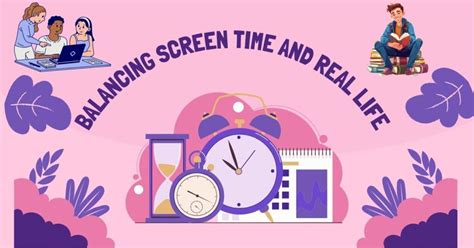
4. Time Commitment and Potential for Addiction
Consider how much time a game might demand:
- Grinding: Does the game require repetitive tasks to progress, potentially leading to excessive screen time?
- Reward Loops: Are the reward systems designed to be highly addictive?

Practical Steps for Parents
Empower yourself with these strategies:
- Research Thoroughly: Don’t just read the ESRB summary. Look up gameplay videos on YouTube, read reviews from parent groups (Common Sense Media is an excellent resource), and check out developer websites.
- Play Together: The best way to understand a game is to experience it. Play with your child, even if only for a short while. This also provides an excellent bonding opportunity.
- Open Communication: Talk to your child about their favorite games. Ask them what they like about it, what they find challenging, and how it makes them feel. Encourage them to come to you if they encounter something uncomfortable online.
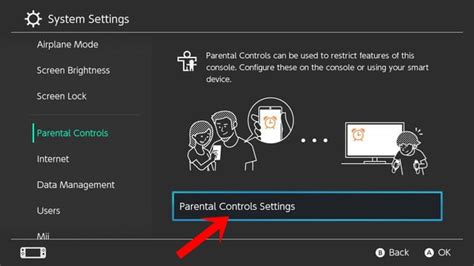
- Set Clear Boundaries and Expectations: Establish rules for screen time, online interaction, and what types of content are acceptable. Use parental control features on consoles and PCs.
- Trust Your Gut: Ultimately, you know your child best. If a game feels off, even if it has an “E” rating, it’s okay to say no or postpone it until they’re older.
Conclusion
Choosing truly age-appropriate video games requires a proactive and engaged approach that extends beyond simple rating labels. By considering content nuances, gameplay mechanics, social aspects, and time commitment, parents can make informed decisions that foster healthy digital habits and ensure their children have positive and enriching gaming experiences. Remember, your involvement is the most powerful tool in navigating the digital world effectively.