



Identify red flags: Which F2P gacha mechanics push players to overspend unethically?

The Allure and Peril of Free-to-Play Gacha Games
Free-to-play (F2P) games, especially those employing gacha mechanics, have revolutionized the gaming industry. They offer an accessible entry point, allowing players to dive into rich virtual worlds without an upfront cost. However, beneath this veneer of generosity lies a meticulously crafted system designed to monetize player engagement, often pushing boundaries into ethically questionable territory. While not all monetization is inherently bad, certain gacha mechanics are engineered to exploit psychological vulnerabilities, leading to excessive and potentially ruinous spending. Identifying these ‘red flags’ is crucial for both players and industry advocates.

Understanding Gacha’s Core Appeal and Its Darker Side
Gacha, named after Japanese capsule toy vending machines, involves players spending premium in-game currency (purchased with real money) for a chance to receive randomized virtual items, characters, or upgrades. The thrill of the pull, the potential for a rare reward, and the constant stream of new content fuel its popularity. Yet, this very design, when combined with specific manipulative tactics, can transform a fun pastime into a financially draining obsession.
Unpacking the Unethical Red Flags in Gacha Mechanics
1. Variable Ratio Reinforcement (The Slot Machine Effect)
This is the bedrock of gacha’s addictive nature. Rewards are unpredictable but delivered frequently enough to keep players engaged, mimicking the variable ratio schedule used in slot machines. Players don’t know exactly when they’ll get a rare item, but they know it’s possible with each pull, creating a powerful psychological loop that encourages continuous spending. The unpredictability fuels hope and persistence, often overriding rational financial decisions.
2. Sunk Cost Fallacy & Progression Traps
The more time and money a player invests into a game, the harder it becomes to quit. This is the sunk cost fallacy at play. Gacha games amplify this by tying progress (character levels, gear upgrades, collection completion) directly to gacha pulls. Players feel compelled to spend more to protect their existing investment of time and money, fearing that quitting would invalidate all their efforts.
3. Fear of Missing Out (FOMO) & Limited-Time Offers
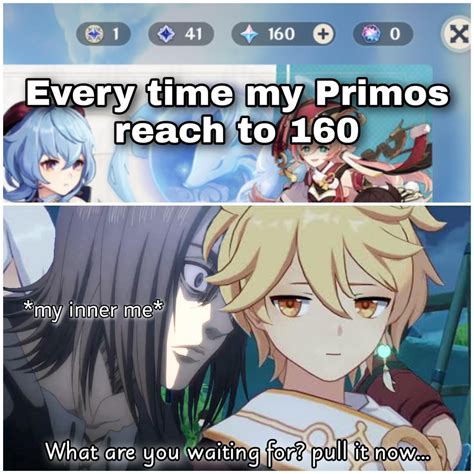
Gacha games thrive on scarcity and urgency. Limited-time banners, seasonal events, and exclusive characters or items create intense FOMO. Players are pressured to spend immediately, even if they can’t truly afford it, to avoid missing out on a unique opportunity that may never return. This bypasses careful consideration and encourages impulsive purchases.
4. Artificial Scarcity and Pity Timers (or lack thereof)
While some gachas include “pity timers” that guarantee a rare item after a certain number of pulls, others don’t, leading to endless spending. Even with pity timers, the cost to reach that guarantee can be exorbitant. Furthermore, the inherent scarcity of top-tier items, often coupled with power creep (new characters making old ones obsolete), ensures players constantly feel the need to chase the next big thing, emptying their wallets in the process.

5. Premium Currencies and Obfuscation of Real Cost
Most gacha games use a premium in-game currency (e.g., “gems,” “crystals”) that players purchase with real money. The conversion rates are often non-linear and confusing, making it difficult for players to grasp the true monetary value of each pull or item. This obfuscation makes spending feel less like real money and more like an abstract in-game transaction, reducing psychological friction against purchasing.
6. “Whale Hunting” and Personalized Offers
A significant portion of gacha revenue comes from a small percentage of “whale” players who spend vast sums. Games often employ sophisticated analytics to identify and target these high-spenders with personalized, increasingly aggressive offers, or even direct communication, subtly encouraging them to spend more. This borders on predatory behavior, exploiting individuals who may be vulnerable to addiction or financial difficulty.
The Psychological Hooks: Why These Mechanics Work
These unethical mechanics don’t just exist; they leverage fundamental aspects of human psychology: the dopamine rush of unpredictability, the desire for completion and progression, the fear of missing out on social or competitive advantages, and the cognitive biases that distort our perception of value and risk. For some, these systems can trigger addictive behaviors, leading to severe financial distress, mental health issues, and social isolation.

Protecting Yourself: Identifying and Avoiding Pitfalls
Awareness is the first step. Recognize when a game’s design is trying to exploit your psychology rather than entertain you. Set strict spending limits and stick to them, or consider avoiding games with particularly aggressive gacha systems. Prioritize financial well-being over in-game achievements. Support developers who prioritize ethical monetization and transparent practices. Regulators also have a role to play in addressing these increasingly common issues.
Conclusion
While free-to-play gacha games can offer engaging experiences, it’s vital to be vigilant against mechanics designed to push players into unethical overspending. By understanding the red flags—variable reinforcement, sunk cost traps, FOMO, artificial scarcity, obfuscated costs, and predatory targeting—players can make informed choices, protect their finances, and advocate for a more ethical gaming landscape. The future of gaming should prioritize player well-being over exploitative profit models.