


What F2P gacha mechanics signal a ‘pay-to-win’ trap?

Understanding the P2W Landscape in F2P Gacha Games
Free-to-play (F2P) games, especially those employing gacha mechanics, walk a delicate tightrope between offering an enjoyable experience and generating revenue. While monetization is essential for game development and ongoing support, some systems cross a line, transforming a ‘free’ experience into a ‘pay-to-win’ (P2W) trap. Identifying these predatory mechanics is crucial for players who want to enjoy games without feeling pressured into spending money just to keep up.
At its core, a P2W game is one where spending real money provides a significant, often insurmountable, advantage over players who choose not to spend, particularly in competitive scenarios. This advantage isn’t merely cosmetic or a time-saver; it directly impacts a player’s power, progress, or ability to succeed within the game’s core loops.
Direct Power Advantages from Gacha
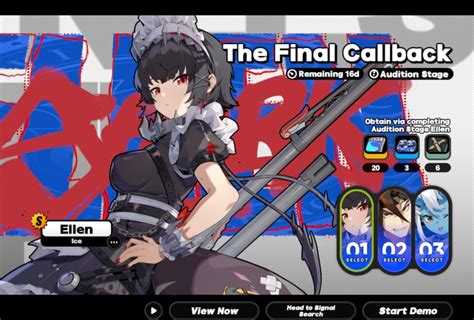
The most blatant signal of a P2W trap is when gacha pulls directly grant units, characters, or equipment that are statistically superior or uniquely powerful, with no viable free-to-play alternative. If the top-tier units from the gacha banner consistently outperform any unit obtainable through in-game grinding or quests, and are essential for progression in later stages or competitive modes, you’re likely in a P2W environment.
Beyond initial acquisition, P2W systems often layer this advantage. Players might need to pull multiple copies of a premium character for ‘ascension’ or ‘limit breaking’ to unlock their full potential. This means a single lucky pull isn’t enough; sustained spending is required to maximize power, creating an ever-increasing gap between spenders and non-spenders.
Resource Scarcity and Progression Bottlenecks
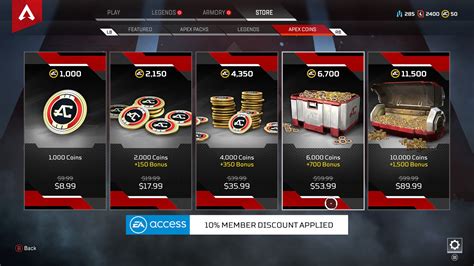
Another common P2W indicator is extreme resource scarcity. F2P games often feature various in-game currencies and materials needed to level up characters, upgrade gear, or unlock skills. In P2W traps, the rate at which these essential resources can be acquired through normal gameplay is painfully slow, deliberately creating bottlenecks that can only be efficiently bypassed by purchasing resource packs or energy refills.
Energy or stamina systems, while common, become P2W when they are excessively restrictive, allowing only a few minutes of play before requiring a long wait or a premium currency purchase to continue. This artificially limits playtime and progression for non-spenders, pushing them towards microtransactions to maintain pace.
Unfair Competitive Modes and PvP
Competitive player-versus-player (PvP) modes are often the arena where P2W advantages become most apparent and frustrating. If a game’s PvP ranking or leaderboard is overwhelmingly dominated by players with fully maxed-out gacha units and premium gear, and skill alone cannot overcome the statistical disparity, it’s a clear P2W signal.
Some games attempt to mitigate this with ‘equalized’ PvP modes, but even then, subtle P2W elements can persist, such as unique passive abilities from premium units or specific team compositions only viable with gacha-exclusive characters. When the core competitive experience feels unwinnable without opening your wallet, the game has transitioned into a P2W trap.

Layered Gacha and Complex Monetization
Modern P2W gacha games often employ multiple layers of monetization, each designed to extract more spending. This can include gacha for characters, a separate gacha for their unique weapons, another for powerful artifacts or ‘memories,’ and yet another for skill books or stat-boosting runes. Each layer requires investment, and failing to engage with any one layer can severely hinder a character’s effectiveness.
Furthermore, systems like ‘battle passes’ or ‘subscription’ models that offer significant power advantages (not just cosmetics or faster progression) to paying subscribers also signal a P2W slant. While battle passes can be fair, if the free track is nearly useless and the paid track provides game-breaking benefits, it’s problematic.
Lack of Viable Free-to-Play Paths and Pity
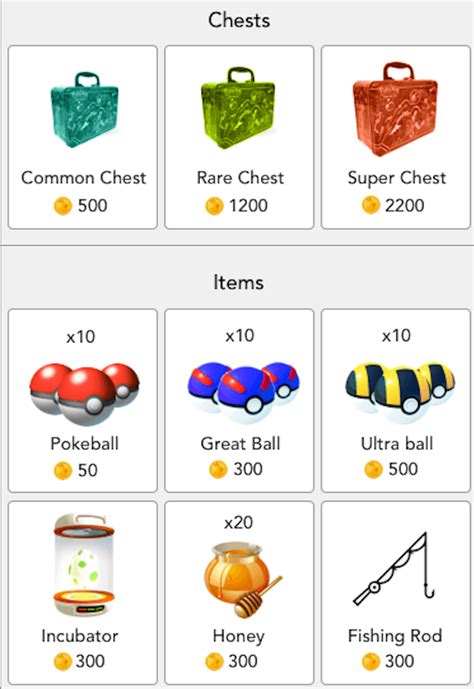
A truly fair F2P gacha game will always offer clear, albeit slower, paths for non-spending players to acquire desirable units or progress effectively. This might involve generous in-game currency generation, a robust crafting system, or events that reward premium items. When these paths are absent or made prohibitively difficult, it signals a P2W design.
Even gacha’s ‘pity’ systems (guaranteeing a rare pull after a certain number of attempts) can be P2W. If the pity count is extremely high, requires paid-only currency, or resets frequently, it merely serves as a more expensive way to ensure you spend money rather than offering a genuine safety net for F2P players. A game with a truly predatory P2W system will offer no reasonable pathway to acquire top-tier content without spending, effectively turning ‘free’ into a demo for paying players.

Conclusion: Identifying and Avoiding P2W Traps
Navigating the F2P gacha landscape requires a keen eye. Look for games where direct power advantages are locked behind gacha, progression is heavily gated by resource scarcity that encourages spending, and competitive modes feel rigged against non-spenders. While supporting game developers is admirable, players should be aware of when monetization crosses the line from sustainable business model to exploitative P2W trap. By understanding these signals, you can make informed choices and find F2P games that respect your time and wallet, offering genuine fun without the constant pressure to pay for power.