




How can parents choose truly age-appropriate games for their children?

The Importance of Age-Appropriate Gaming
In today’s digital age, video games are an undeniable part of many children’s lives. While they offer numerous benefits, from cognitive development to social interaction, navigating the vast world of gaming to find truly age-appropriate content can be a daunting task for parents. Simply relying on a game’s popularity or what friends are playing can lead to exposing children to themes, violence, or complexity they aren’t ready for. The key lies in a thoughtful, informed approach that considers both the game’s content and your child’s individual maturity.
Decoding Game Rating Systems
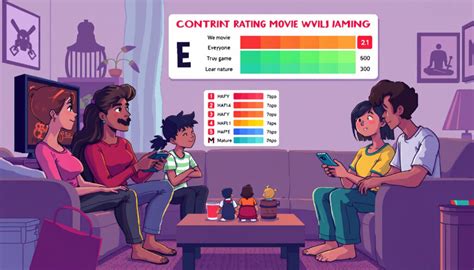
The first line of defense for parents is understanding and utilizing official game rating systems. Organizations like the Entertainment Software Rating Board (ESRB) in North America, PEGI in Europe, and others globally provide classifications that offer a snapshot of a game’s content. These ratings typically indicate the recommended age range and provide content descriptors detailing specific elements such as violence, language, drug reference, or suggestive themes.
It’s crucial not just to note the age recommendation but to delve into the content descriptors. An ‘E for Everyone’ rating is usually safe, but a ‘T for Teen’ might include more mature themes or mild violence. Always check the specifics; a game might be rated for a certain age due to animated violence, while another for the same age might feature realistic combat. These systems are invaluable tools, but they serve as a starting point, not the sole determinant.

Beyond the Labels: Deeper Considerations
While rating systems are helpful, they don’t tell the whole story. Parents need to look deeper into several aspects of a game:
- Content and Themes: What is the narrative about? Does it align with your family’s values? Beyond explicit violence, consider complex moral dilemmas, scary imagery, or mature emotional themes that might be unsettling for younger players.
- Complexity and Skill Level: Is the game’s gameplay, puzzles, or strategy too simple or too complex for your child? Overly difficult games can lead to frustration, while overly simple ones might bore them.
- Pacing and Intensity: Some games are fast-paced and require quick reflexes, which can be overstimulating for some children. Others are slower, more contemplative. Consider your child’s temperament.
- Social and Interactive Elements: Many modern games include online multiplayer components. This opens up interaction with strangers, which can expose children to unfiltered language, cyberbullying, or inappropriate content. Understand how in-game chat, voice communication, and microtransactions work.
Know Your Child: Observation and Communication
The most crucial factor in choosing age-appropriate games is your child’s individual maturity and temperament. A game rated ’10+’ might be perfectly suitable for one 8-year-old but overwhelming for another of the same age. Pay attention to:
- Their Reactions: How do they react to stories, movies, or real-life events? Are they easily scared, prone to anger, or do they handle complex situations well?
- Their Interests: What genres do they gravitate towards? Are they interested in creative building, puzzle-solving, adventure, or sports? Aligning games with their existing interests can lead to a more positive experience.
- Open Communication: Talk to your children about the games they want to play and why. Ask them what they like about certain games and address any concerns they might have about content. Explain your decisions when you deem a game inappropriate.

Leveraging Parental Controls and Resources
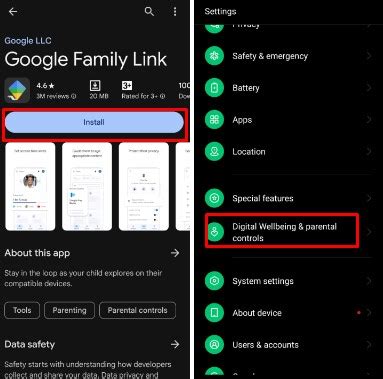
Modern gaming consoles, PCs, and mobile devices offer robust parental control settings. These allow you to:
- Restrict games by rating.
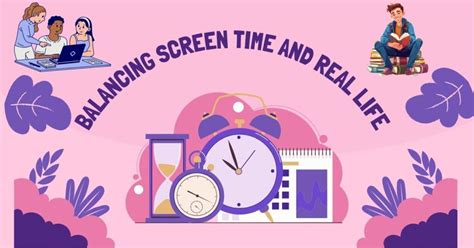
- Limit screen time.
- Control online interactions and purchases.
- Monitor activity.
Familiarize yourself with these settings on every platform your child uses. Additionally, don’t hesitate to use online resources. Many reputable gaming websites and parenting blogs offer detailed reviews of games from a parent’s perspective, often highlighting specific content concerns or developmental benefits. Watching gameplay videos on platforms like YouTube can also give you a clear idea of what a game entails before you purchase it.
The Journey is Ongoing
Choosing age-appropriate games isn’t a one-time decision; it’s an ongoing process. As children grow, their interests change, and their ability to process complex information evolves. What was appropriate last year might be too simplistic now, or a game considered too mature previously might be acceptable. Regularly check in with your child, reassess their gaming habits, and be prepared to adjust your guidelines. Ultimately, an engaged, informed parent who understands both the game and the child is best equipped to foster a healthy and enriching gaming experience.