



How to spot predatory F2P gacha tactics before overspending?

Free-to-play (F2P) games, especially those featuring gacha mechanics, offer instant gratification and endless entertainment without an upfront cost. However, beneath the surface of fun and accessibility lies a sophisticated network of monetization strategies, some of which can be highly predatory, leading players to spend far more than they intend. Recognizing these tactics is the first step to protecting your wallet and your mental well-being.
The Allure and the Trap of F2P Gacha
Gacha games, inspired by Japanese capsule toy machines, involve spending in-game currency (often bought with real money) for a chance to receive a randomized item, character, or upgrade. This lottery-like system can be incredibly addictive, tapping into the human brain’s reward system. Developers meticulously design these games to maximize player engagement and, consequently, spending, often employing psychological tricks to encourage continuous investment.

Understanding Predatory Tactics
Predatory tactics are those designed to exploit cognitive biases and psychological vulnerabilities, pushing players towards impulsive or excessive spending. Here are some of the most common ones:
1. The Fear of Missing Out (FOMO)
This is perhaps the most prevalent tactic. Games frequently introduce limited-time banners, seasonal events, or exclusive characters that are only available for a short period. The urgency creates pressure to spend now, lest you miss out on a powerful or desirable item that might not return for a long time, or ever. This taps into our innate desire for completeness and perceived scarcity.
2. Opaque Gacha Odds and Loot Boxes
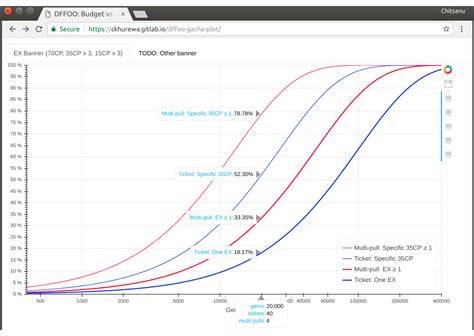
While many regions now mandate the disclosure of gacha odds, the numbers can still be misleading. Extremely low drop rates for desirable items mean players must spend significant amounts for a chance to acquire them. The ‘pity’ systems (guaranteeing an item after a certain number of pulls) can also be manipulative, encouraging players to spend ‘just a little more’ to reach the threshold.
3. Sunk Cost Fallacy and Progression Walls
The more time and money you invest in a game, the harder it is to walk away. This is the sunk cost fallacy at play. Developers design progression systems with artificial walls – points where advancement significantly slows down unless you spend money. This makes players feel their past investments will be wasted if they don’t spend to overcome the current hurdle.
4. False Scarcity of Premium Currency
Games often give out small amounts of premium currency for free, just enough to tantalize players with a taste of what they can acquire. However, the amount earned through gameplay is rarely sufficient for consistent, meaningful gacha pulls, pushing players towards purchasing larger bundles of currency with real money. The pricing of these bundles is also often designed to leave small, unusable amounts of currency, encouraging further purchases to ’round up’.

5. “Whale” Hunting and A/B Testing
A significant portion of gacha game revenue comes from a small percentage of high-spending players, known as “whales.” Developers use sophisticated analytics and A/B testing to identify these players and tailor specific offers, bundles, and even personalized gameplay experiences to encourage maximum spending. This can include exclusive packs only visible to top spenders or targeted discounts.
6. Psychological Manipulation and Completionism
Many gacha games prey on completionist tendencies. Collecting all characters, skins, or items can become a powerful motivator, despite the often astronomical cost. Daily login bonuses, battle passes, and achievement systems are designed to foster a routine, making the game a habitual part of daily life and increasing the likelihood of spending.
How to Protect Your Wallet and Your Mind
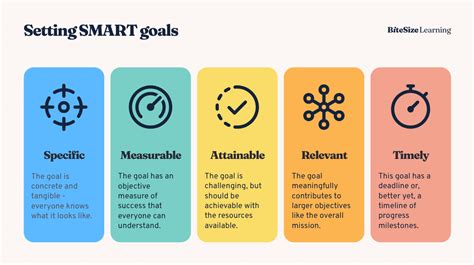
- Set Strict Spending Limits: Decide on a monthly budget and stick to it. Many platforms offer tools to manage spending.
- Research Odds: Before pulling, check the disclosed odds. If they’re not publicly available, consider that a red flag.
- Avoid Impulse Buys: Give yourself a cooldown period (e.g., 24 hours) before making any significant purchase.
- Evaluate True Value: Ask yourself if the item is truly necessary for your enjoyment or if you’re just reacting to FOMO or peer pressure.
- Recognize Psychological Triggers: Be aware when you feel rushed, pressured, or are experiencing the sunk cost fallacy.

When to Walk Away
If you find yourself spending more than you can afford, feeling stressed or guilty about your gaming habits, or prioritizing gaming over real-life responsibilities, it’s time to re-evaluate. Walking away from a game, even temporarily, can break the addictive cycle and provide perspective. There are always other games, and no virtual item is worth financial distress.

By understanding the tactics developers employ, you empower yourself to make informed decisions and enjoy the entertainment F2P gacha games offer without falling victim to their predatory monetization schemes. Play smart, stay aware, and protect your finances.