



How to spot genuine indie hidden gems & avoid shovelware?

The independent game development scene is a vibrant ecosystem, brimming with creativity and innovation. Yet, its sheer size can be daunting, making the quest for truly remarkable “hidden gems” feel like searching for a needle in a haystack. This challenge is further compounded by the prevalence of “shovelware” – games that offer minimal effort, generic assets, and uninspired gameplay. Fear not, intrepid gamer! With a discerning eye and a few strategic approaches, you can become a master at unearthing genuine indie brilliance while sidestepping the digital duds.
Defining the Indie Gem: What Sets Them Apart?

A genuine indie hidden gem isn’t just a game; it’s an experience forged with passion and often a unique vision. These titles typically stand out for several key characteristics:
- Innovation & Originality: They often introduce fresh mechanics, unconventional narratives, or a novel twist on established genres. They aren’t afraid to experiment.
- Artistic Vision: Whether it’s a distinctive art style, a memorable soundtrack, or a compelling atmosphere, indie gems usually boast a strong, cohesive aesthetic.
- Polish & Attention to Detail: Despite smaller budgets, quality indie games demonstrate a clear commitment to smooth gameplay, minimal bugs, and intuitive design.
- Meaningful Gameplay: Beyond simple mechanics, they offer depth, engaging challenges, and a sense of purpose to the player’s actions.
- Developer Passion: You can often feel the love and dedication poured into the project, evident in thoughtful design choices and responsiveness to community feedback.
Spotting the Red Flags: How to Identify Shovelware
On the flip side, shovelware often exhibits tell-tale signs of a quick cash grab rather than a labor of love. Knowing these indicators can save you time and money:
- Generic Assets & Templates: A common giveaway is the overuse of stock assets, uninspired UI, and gameplay loops that feel copied from other, more successful titles without any unique spin.
- Minimal Effort & Repetitive Content: The game might feature extremely simple mechanics repeated endlessly, shallow content, or a lack of meaningful progression.
- Excessive or Aggressive Monetization: Beyond a reasonable price point, watch out for games with intrusive ads, pay-to-win mechanics, or a barrage of microtransactions that feel essential to progress.
- Poor Performance & Bugs: A lack of polish, frequent crashes, or unaddressed technical issues are strong indicators of rushed development.
- Vague or Misleading Marketing: Descriptions that are overly generic, feature-lists that sound too good to be true, or trailers that don’t accurately represent gameplay can be red flags.
- Sparse Developer Communication: A lack of updates, engagement with the community, or responsiveness to feedback often points to a developer who has moved on.
Your Toolkit for Discovery: Strategies to Unearth Gems
1. Leverage Trusted Curators and Reviewers
Follow established gaming journalists, YouTubers, and streamers who specialize in indie games. Their passion and expertise can guide you to overlooked titles. Many platforms also have ‘curator’ features where you can follow groups or individuals known for their taste in indie games.
2. Scrutinize User Reviews and Community Discussions

While a single negative review shouldn’t deter you, patterns of similar complaints (e.g., “boring,” “broken,” “misleading”) across multiple user reviews are strong warnings. Look for detailed reviews that explain why they liked or disliked a game, rather than just a star rating. Engage in communities like Reddit (e.g., r/IndieGaming, r/Games) for authentic discussions.
3. Watch Raw Gameplay Trailers, Not Just Cinematics
A flashy cinematic trailer can hide a multitude of sins. Always seek out actual gameplay footage to understand the core mechanics, UI, and overall feel of the game. If the developer only provides highly edited or non-gameplay footage, be wary.
4. Seek Out Demos and Free Trials
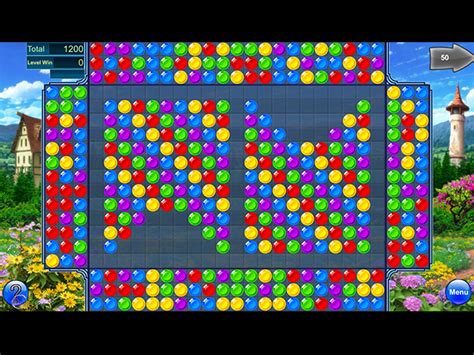
Many indie developers offer free demos. This is your absolute best tool for evaluating a game firsthand. It allows you to test performance, understand the mechanics, and see if the aesthetic resonates with you before committing to a purchase.
5. Look for Active Developer Engagement
A good sign of a passionate indie developer is their active presence. Check their social media, Discord, or the game’s community hub for regular updates, bug fixes, and genuine interaction with players. A responsive developer often indicates a commitment to their product’s long-term quality.

The Rewarding Hunt
The journey to discover indie hidden gems is a rewarding one. There’s a unique satisfaction in unearthing a truly special, under-the-radar game that resonates with your tastes, knowing it was crafted with heart and dedication. By understanding what distinguishes a masterpiece from mediocrity and employing smart discovery strategies, you empower yourself to navigate the indie landscape with confidence.
So, sharpen your senses, trust your instincts, and embark on your next great indie adventure. The next unforgettable experience could be just a click away.