




How to ensure kids play age-appropriate games safely online?

The digital world offers a vast playground of games for children, but with endless options comes the responsibility of ensuring their online safety and exposure to age-appropriate content. For parents, navigating this landscape can feel overwhelming. This guide offers practical strategies to help you ensure your children enjoy online gaming safely and responsibly.
Understanding Game Age Ratings
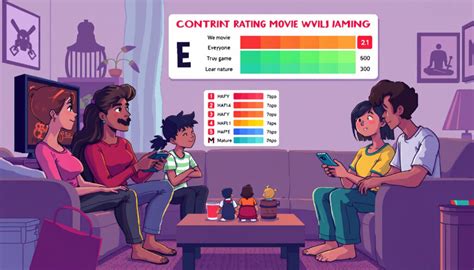
One of the first lines of defense is understanding and utilizing game age ratings. Organizations like the Entertainment Software Rating Board (ESRB) in North America and Pan European Game Information (PEGI) in Europe provide valuable guidance on content suitability. These ratings consider factors such as violence, language, suggestive themes, and interactive elements.
Before allowing a child to play a new game, always check its rating. Familiarize yourself with what each rating (e.g., E for Everyone, T for Teen, PEGI 3, PEGI 7) signifies. This goes beyond just the game’s box; digital storefronts and game websites also display these ratings prominently.
Remember that a rating is a guideline, not a strict rule. Some games rated for older children might be acceptable for a mature younger child with parental supervision, while others might contain elements you deem inappropriate regardless of the rating.

Implementing Robust Parental Controls
Parental control features are your most powerful tools for managing your child’s online gaming experience. These controls are available across various platforms and devices:
Console and PC Settings
Modern gaming consoles (PlayStation, Xbox, Nintendo Switch) and PC operating systems (Windows, macOS) offer comprehensive parental control settings. These allow you to restrict access to certain games based on age ratings, manage screen time, limit online interactions, prevent in-game purchases, and block specific content.
Take the time to explore and configure these settings on every device your child uses for gaming. Create separate profiles for each child with appropriate restrictions tailored to their age and maturity level.
App and Game-Specific Controls
Many individual games and gaming platforms (like Roblox, Minecraft, Epic Games) also have their own in-app parental controls. These often allow for finer-grained control over chat functions, friend requests, and access to user-generated content.
It’s crucial to delve into these specific settings, as they can override or complement system-wide controls. Always use strong, unique passwords for administrator accounts and ensure your children don’t have access to change these settings.
Fostering Open Communication and Education
Technology alone isn’t enough; open dialogue is paramount. Talk to your children about online safety from an early age. Explain why certain games or online interactions might be inappropriate and discuss the potential risks of sharing personal information or engaging with strangers online.
Educate them about good digital citizenship – being respectful, kind, and responsible online. Teach them to come to you immediately if they encounter anything that makes them uncomfortable, scared, or confused while gaming.

Active Monitoring and Involvement
Being an involved parent means more than just setting controls; it means actively participating in their digital world. Play games with them, or at least sit nearby and observe their interactions. This gives you direct insight into what they are playing and who they are playing with.
Regularly check their gaming history, friend lists, and any in-game communications. While respecting their privacy, ensure you have an understanding of their online social circle. For younger children, consider co-playing or ensuring their gaming happens in a shared family space.

Setting Clear Boundaries and Screen Time Limits
Beyond age-appropriateness, it’s vital to establish healthy boundaries for gaming. This includes setting clear screen time limits that are consistent and enforced. Use parental control tools to help manage these limits automatically.
Encourage a balanced lifestyle that includes outdoor play, reading, creative activities, and family time. Discuss these rules with your children so they understand the reasons behind them, fostering a sense of responsibility rather than just compliance.

Conclusion
Ensuring your children play age-appropriate games safely online requires a multi-faceted approach. By understanding age ratings, utilizing robust parental controls, fostering open communication, actively monitoring their activities, and setting clear boundaries, you can create a secure and enriching online gaming environment. Your consistent involvement and guidance are the most critical factors in helping your children navigate the digital playground responsibly and safely.