



How can beginner game guides best explain complex mechanics without overwhelming new players?
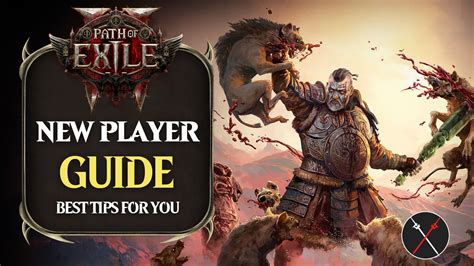
Diving into a new game, especially one rich with intricate systems and deep mechanics, can be exhilarating but also incredibly daunting. For new players, the sheer volume of information can quickly lead to frustration and disengagement. The art of a successful beginner guide lies in its ability to unravel this complexity, making sophisticated concepts accessible without overwhelming the very individuals it aims to help.
Start with the Basics, Build Incrementally
The cardinal rule for explaining complex game mechanics is progressive disclosure. Instead of dumping an entire manual’s worth of information at once, introduce concepts one layer at a time. Begin with the absolute fundamentals necessary for basic interaction – movement, primary attack, basic objective. Once these core actions are understood and practiced, gradually introduce secondary mechanics, like resource management, special abilities, or advanced movement techniques. Each new piece of information should build logically on what has already been learned, creating a structured path to understanding.
Leverage Visuals and Interactive Examples
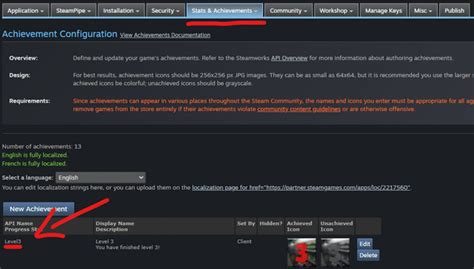
A picture is worth a thousand words, and in game guides, this adage holds immense power. Static text describing a combat rotation or a crafting interface can be dense and hard to follow. Instead, integrate clear screenshots, annotated diagrams, or short GIF-like animations that visually demonstrate the mechanic in action. Even better, if the guide is interactive, provide mini-challenges or sandbox environments where players can immediately apply what they’ve learned without penalty. Seeing and doing are far more effective than just reading.
Use Relatable Analogies and Real-World Context
When a game mechanic feels entirely alien, connecting it to a familiar real-world concept can dramatically aid comprehension. For instance, explaining a game’s “aggro” system might be likened to a dog chasing a treat – certain actions draw its attention more than others. A complex crafting system could be compared to cooking, where specific ingredients (materials) are combined in a particular order (recipe) to produce a dish (item). Providing a “why” behind a mechanic’s existence also adds crucial context. Why is resource management important? Because it dictates your long-term success and strategic choices.
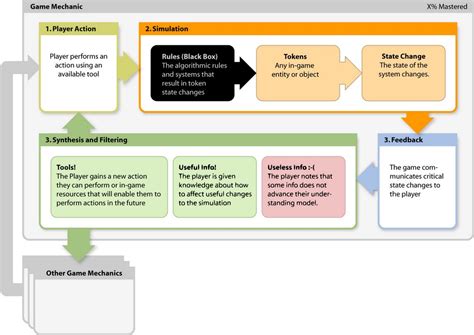
Break Down Information into Digestible Chunks
Long, unbroken blocks of text are intimidating. Organize your guide using clear headings, bullet points, and short paragraphs. Each section should ideally focus on one specific mechanic or a closely related set of mechanics. Consider the concept of “micro-lessons” – small, self-contained units of information that can be consumed and understood quickly. This approach allows players to absorb knowledge at their own pace and revisit specific sections easily if they need a refresher, preventing cognitive overload.

Emphasize Practical Application and Common Scenarios
It’s not enough to just explain what a mechanic does; a good guide also explains when and how to use it effectively. Present common scenarios or early-game challenges where a particular mechanic is crucial. For example, rather than just listing all status effects, explain how to counter a “poison” effect when encountering the first poisoned enemy. This practical emphasis grounds the abstract rules in tangible gameplay experiences, helping players connect the dots between theory and practice.

Encourage Experimentation and Provide Resources
Finally, a guide should not aim to be the absolute final word but rather a supportive starting point. Encourage players to experiment within the game, assuring them that making mistakes is part of the learning process. Provide pointers to further resources, such as in-game glossaries, tooltips, or links to more advanced community guides, for when they are ready to dive deeper. Empowering players to explore and discover on their own builds confidence and a lasting understanding.
Mastering complex game mechanics is a journey, not a sprint. By adopting strategies that prioritize clarity, progressive learning, visual support, and practical application, beginner guides can transform potential frustration into genuine enjoyment and a deep appreciation for the game’s design. The goal is not just to inform, but to inspire confidence and foster a sense of mastery from the very first steps.